Ancient Beauty Reborn: Crafting Modern Art from Petrified Wood
Imagine holding a piece of art that began its journey millions of years ago, a silent witness to eras long past. This isn’t just a fantasy; it’s the captivating reality of petrified wood art. Far more than just old wood turned to stone, these geological marvels are being transformed by skilled artisans into breathtaking contemporary sculptures, blending the raw grandeur of deep time with the refined aesthetics of modern design.
Petrified wood art offers a unique connection to our planet’s ancient history, presenting a symphony of natural patterns, vibrant colors, and unparalleled textures. In a world increasingly dominated by synthetic materials, these pieces stand out as a testament to nature’s enduring beauty and the profound human desire to harness it for artistic expression. Join us as we explore the fascinating world where ancient trees become stunning modern masterpieces.
The Marvel of Petrified Wood: Nature’s Own Masterpiece
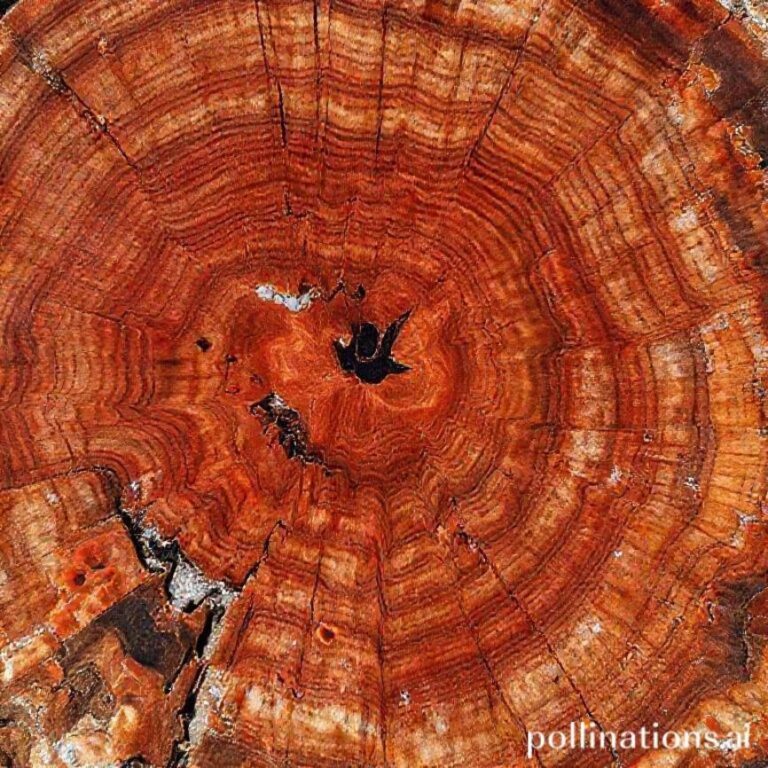
Before it becomes art, petrified wood is, in itself, a natural wonder. The term “petrified” literally means “turned to stone.” This incredible transformation occurs over millions of years when ancient trees are buried under sediment and volcanic ash. Water rich in dissolved minerals, primarily silica, seeps into the wood, replacing the organic matter cell by cell. Over eons, this process, known as permineralization, results in a perfect stone replica of the original wood, preserving even the most minute details like tree rings, knots, and bark textures.
What truly sets petrified wood apart is its stunning array of colors. These hues are not painted on but are naturally infused by trace minerals present in the groundwater during petrification. Iron compounds can create rich reds, oranges, and yellows; copper gives greens and blues; manganese produces pinks and purples; and carbon can result in deep blacks. Each piece is a unique geological fingerprint, a testament to the specific mineral composition of its burial site. As a Sundanese saying beautifully puts it, “Tina kai jadi batu, tina sabar jadi seni.” (From wood to stone, from patience to art.) This perfectly encapsulates the essence of petrified wood – a transformation born of immense time and geological patience.
From Raw Stone to Refined Sculpture: The Artist’s Journey
The journey from a raw chunk of petrified wood to a polished sculpture is a challenging yet rewarding one, demanding immense skill, patience, and specialized tools. Petrified wood is notoriously hard – often harder than steel – making it a formidable material to work with. Artists typically source these ancient treasures from specific geological formations around the world, including vast deposits in places like Arizona, Madagascar, and Indonesia. Ethical sourcing is paramount, ensuring that these precious remnants are acquired responsibly and sustainably.
Once a suitable piece is selected, the artistic process begins. Large diamond-tipped saws are used for initial cuts, carefully revealing the internal patterns and colors. Shaping involves a meticulous process of grinding, sanding, and polishing, often starting with coarse grits and gradually moving to finer ones to achieve a mirror-like sheen. This step-by-step refinement is crucial; it’s where the artist truly brings out the inherent beauty locked within the stone, transforming its dull exterior into a vibrant display of natural artistry. The challenge lies in respecting the material’s natural form and patterns while imposing a thoughtful, contemporary design that highlights its unique characteristics.
The Aesthetics of Petrified Wood Art: A Symphony of Texture and Color
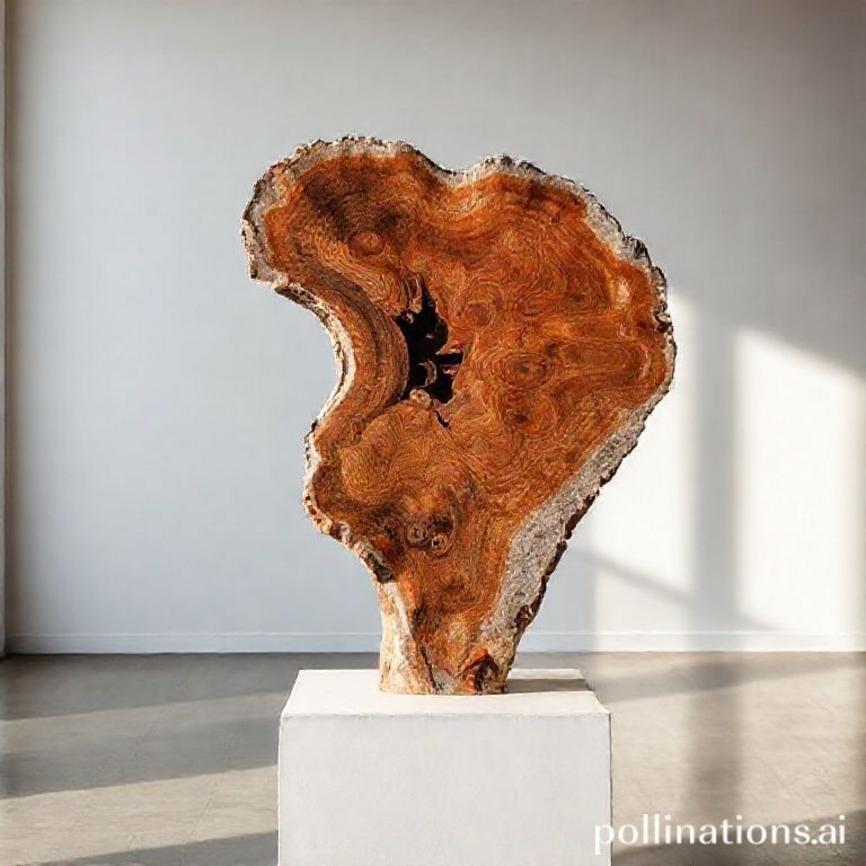
The visual appeal of petrified wood art is undeniable. Each sculpture is a conversation between the ancient and the modern, the organic and the mineral. Artists leverage the material’s innate qualities to create pieces that are both visually arresting and deeply tactile. The preservation of the original wood grain, sometimes with intricate growth rings or even insect holes, tells a story of the tree’s life, now immortalized in stone.
When polished, the surface of petrified wood becomes incredibly smooth and reflective, contrasting beautifully with any unpolished edges or natural fissures. This interplay of textures adds depth and character to the artwork. The natural color palette – from warm earth tones of browns and reds to cooler grays, blacks, and even occasional blues and greens – ensures that no two pieces are ever identical. Whether crafted into abstract forms that emphasize the sweeping geological patterns or more figurative sculptures where the wood’s inherent shape informs the design, petrified wood art consistently captivates with its unique blend of robustness and delicate detail.
Modern Sculptures, Ancient Stories: Integrating Petrified Wood into Contemporary Spaces
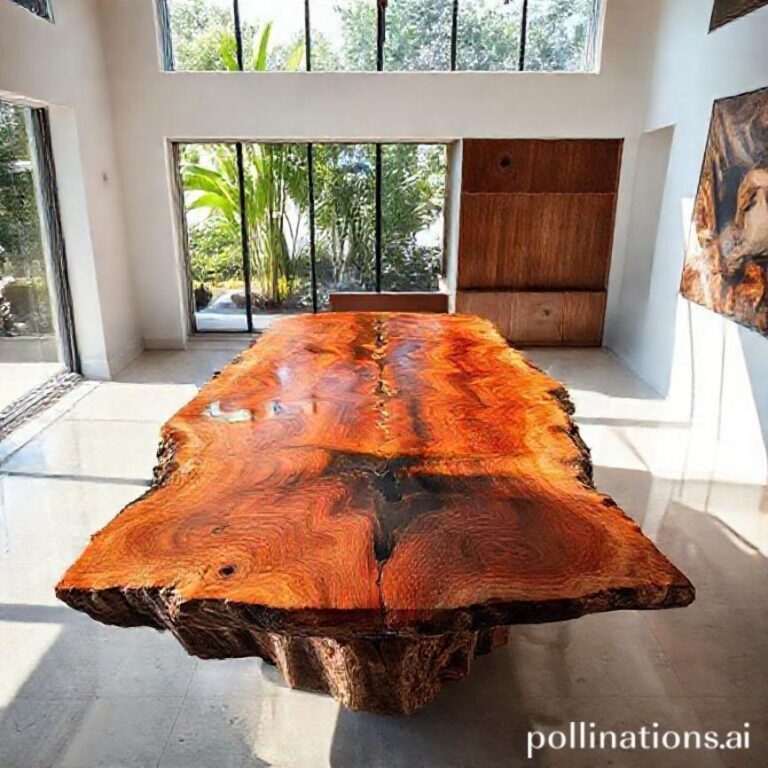
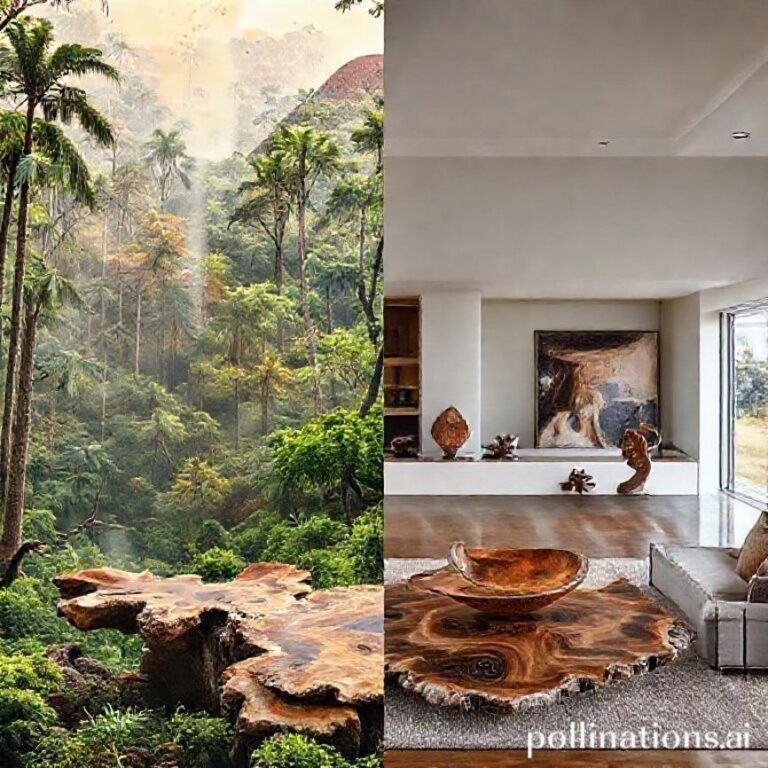
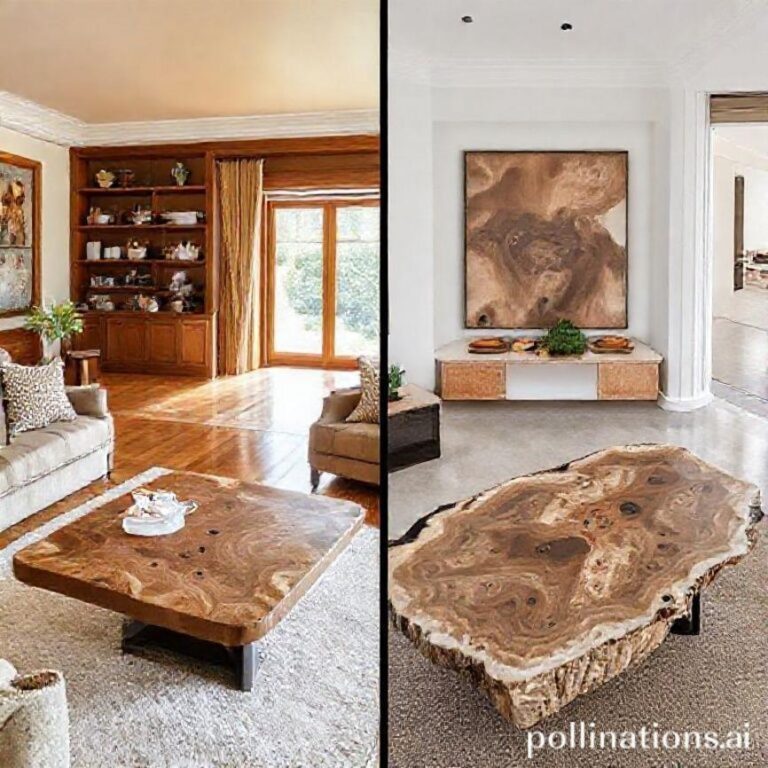
One of the most remarkable aspects of petrified wood art is its versatility in contemporary design. These pieces effortlessly bridge the gap between rustic charm and minimalist sophistication. A large, polished petrified wood sculpture can serve as a stunning focal point in a modern living room, a striking centerpiece in a corporate lobby, or an intriguing addition to a serene garden space. Its natural elements bring a sense of grounding and tranquility, connecting the indoor environment to the vastness of the natural world and the depth of geological time.
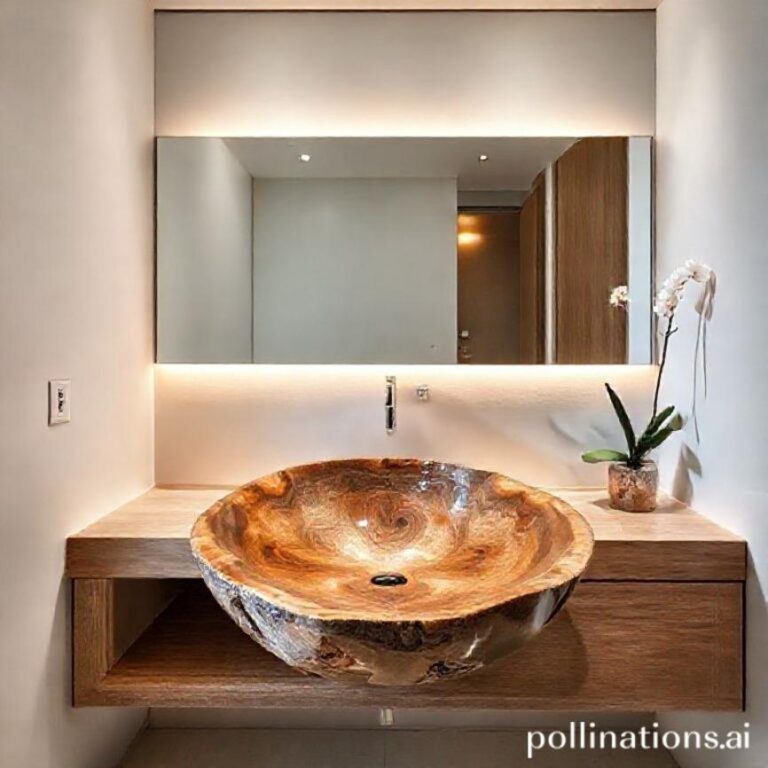
Beyond traditional sculptures, petrified wood is also crafted into functional art pieces like bespoke coffee tables with natural stone tops, elegant console tables, decorative bowls, and even unique bathroom sinks. These items don’t just serve a purpose; they are powerful design statements that infuse any space with character, history, and a touch of unparalleled luxury. They remind us that true beauty often comes from the most unexpected and ancient sources, offering a tangible link to a primordial past in our fast-paced present.
Caring for Your Petrified Wood Art
While petrified wood is incredibly hard and durable, a few simple care tips will ensure your art piece retains its beauty for generations. It is generally very low maintenance. For cleaning, a soft, damp cloth is usually sufficient to wipe away dust and fingerprints. Avoid using harsh chemical cleaners, as these can potentially dull the polished surface over time. If a piece requires deeper cleaning or has a matte finish, consult with the artist or a professional stone conservator.
Though resistant to scratches and impacts, it’s always wise to handle larger sculptures with care to prevent chipping, especially on thinner edges. Protecting your petrified wood art from extreme temperature fluctuations and direct prolonged sunlight can also help preserve its natural luster and color. With minimal effort, these timeless pieces will continue to tell their ancient stories and enhance your space for centuries to come.
Conclusion
Petrified wood art is more than just decorative; it’s a profound intersection of natural history, scientific wonder, and human creativity. Each sculpture is a tangible piece of Earth’s autobiography, transformed through the hands of an artist into a modern artifact. It’s a powerful reminder of the beauty that can emerge from patience, the enduring allure of natural materials, and the timeless connection we share with our planet’s deep past.
Owning a piece of petrified wood art means bringing millions of years of history and unmatched natural beauty into your home or office. It’s an investment in a unique, sustainable, and utterly captivating form of art that will inspire awe and conversation for years to come. If you’re inspired by the unique beauty of natural materials and bespoke craftsmanship, we invite you to explore the possibilities and even create your own custom items, like unique shoes, at https://petrifiedwoodindonesia.com/. Discover the magic of creation, whether it’s geological art or personalized footwear!
TAGS: Petrified Wood, Wood Sculpture, Ancient Art, Modern Art, Natural Materials, Geological Wonders, Home Decor, Sustainable Art