Beyond Beauty: Why Petrified Wood Could Be Your Next Smart Investment
Beyond Beauty: Why Petrified Wood Could Be Your Next Smart Investment
Have you ever held a piece of wood that felt like stone, showcasing an incredible tapestry of colors and patterns? That’s petrified wood for you – a true marvel of nature, a silent witness to millions of years of Earth’s history. More than just a beautiful decorative item, petrified wood is increasingly catching the eye of collectors and investors alike. But is it really a good investment? Let’s dive in and explore the fascinating world of petrified wood and uncover its potential value beyond its stunning aesthetics.
In a world often chasing the next big stock or real estate boom, the idea of investing in something as ancient and unique as petrified wood might seem a bit unusual. Yet, like fine art, rare gemstones, or antique furniture, petrified wood possesses inherent qualities that give it significant value. It’s not just about owning a piece of history; it’s about appreciating the rarity, the natural artistry, and the geological story each specimen tells. Join us as we explore what makes petrified wood so special, the factors that drive its worth, and whether it could be a smart addition to your investment portfolio or collection.
What Exactly is Petrified Wood?
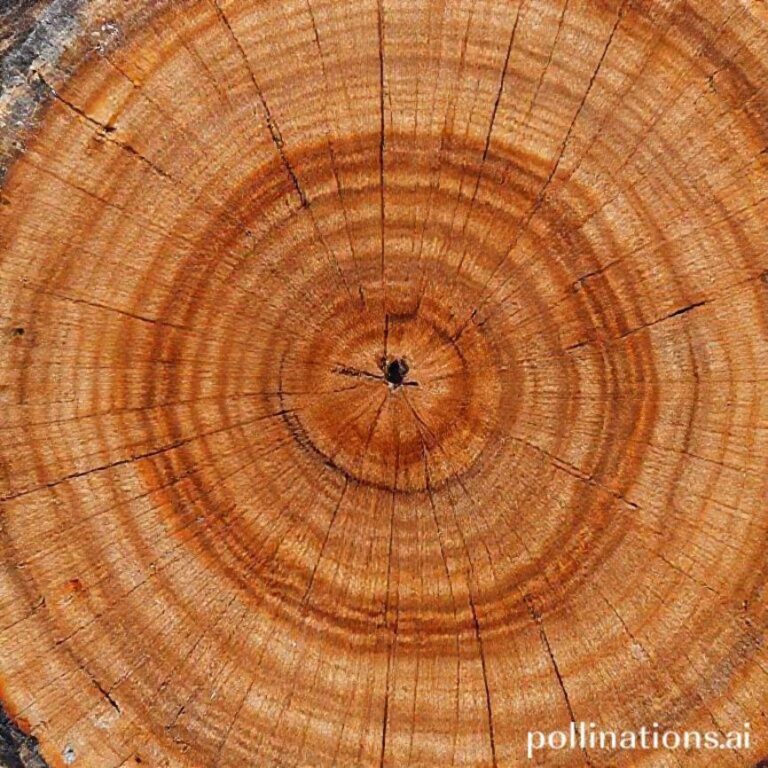
Before we talk about investment, let’s understand what we’re dealing with. Petrified wood is essentially a fossil – it’s the result of a tree, over millions of years, turning completely into stone. This incredible transformation happens when a tree falls and gets buried under sediment or volcanic ash, cutting it off from oxygen and preventing normal decay. Mineral-rich groundwater then seeps into the wood, slowly replacing the organic materials with minerals like silica, quartz, or chalcedony, crystal by crystal.
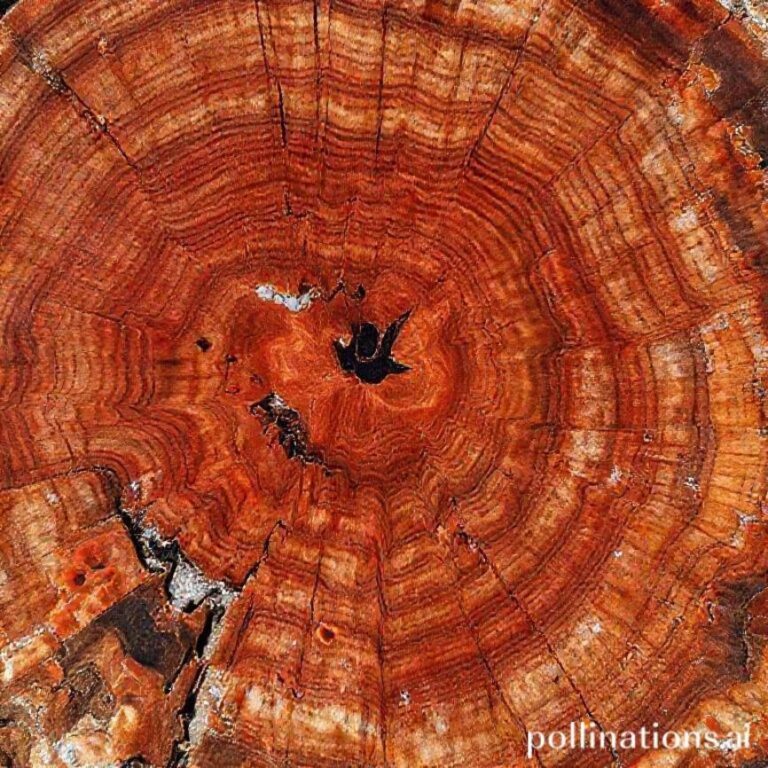
The amazing part is that this process often preserves the original cellular structure of the tree, sometimes down to microscopic detail! What you end up with is a piece of stone that retains the texture, grain, and even tree rings of the original wood, but with the hardness and durability of a mineral. It’s truly a testament to nature’s slow and powerful artistry, transforming something organic and temporary into something everlasting and magnificent.
The Factors Driving Petrified Wood’s Value
Just like any other collectible or investment piece, not all petrified wood is created equal. Several key factors influence its market value and desirability:
Rarity and Uniqueness
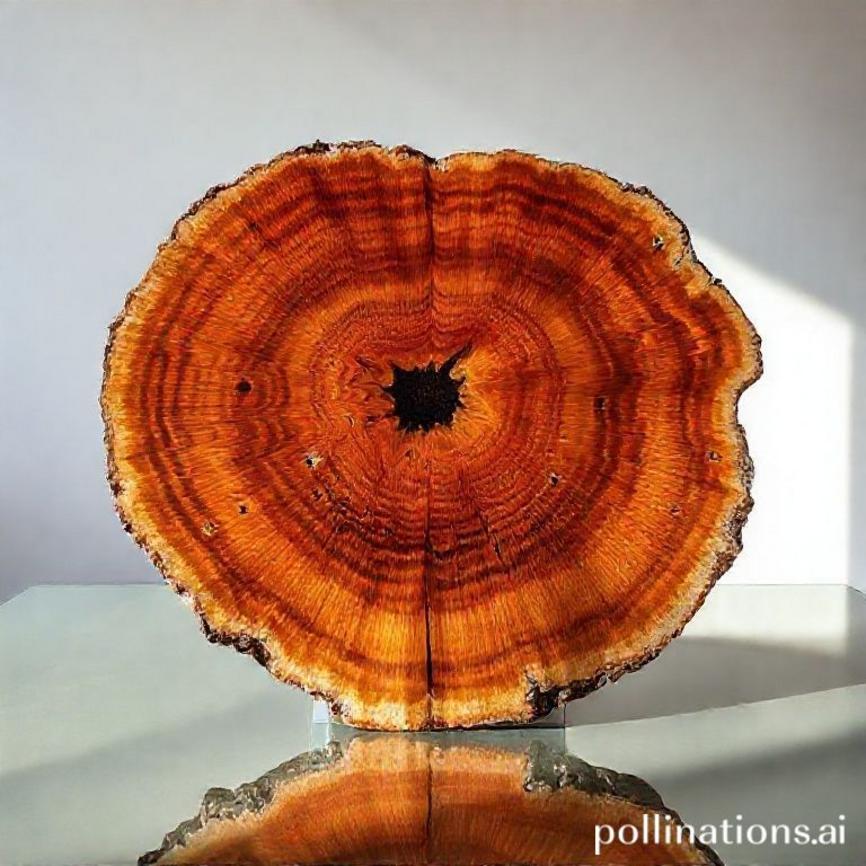
Every single piece of petrified wood is unique, a one-of-a-kind creation by nature. However, some specimens are rarer than others due to specific types of trees, unusual petrification processes, or unique mineral compositions that result in exceptional colors and patterns. High-quality petrified wood, especially from well-known ancient forests like the Petrified Forest National Park in Arizona (though collection is restricted there), or from specific regions known for vibrant colors (like parts of Indonesia or Madagascar), commands higher prices. The rarer the combination of characteristics, the higher its value.
Aesthetic Appeal
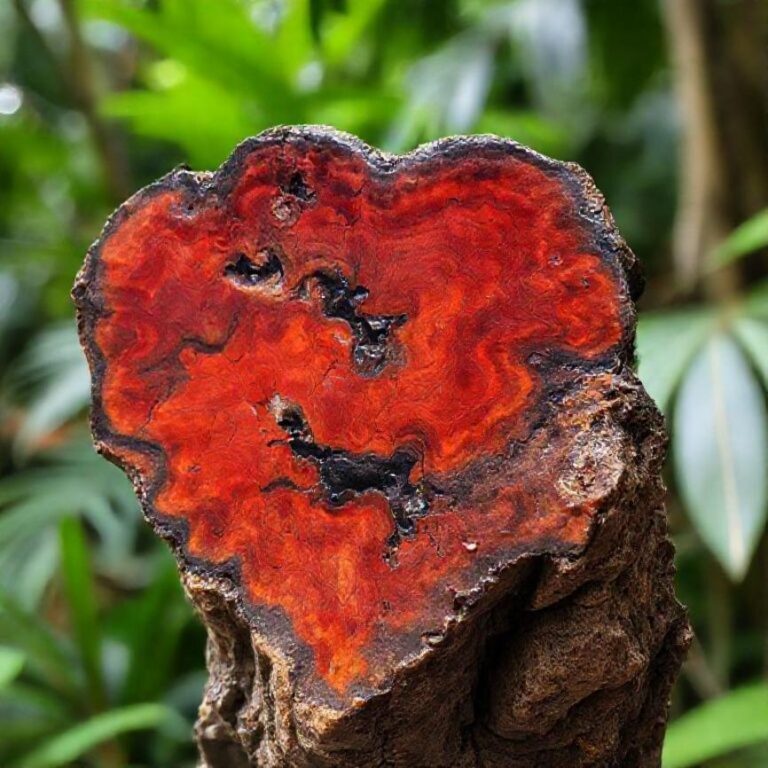
This is often the first thing that attracts people to petrified wood. The beauty of its colors – ranging from earthy browns and reds to vibrant yellows, blacks, and even blues or purples – is mesmerizing. These colors are determined by the trace minerals present during the petrification process (e.g., iron for reds/yellows, manganese for blacks/blues). The intricacy of the preserved wood grain, the clarity of the patterns, and how well it takes a polish significantly contribute to its visual appeal and, consequently, its value. A piece that is well-cut and polished to reveal its internal beauty will always be more sought after.
Size and Form
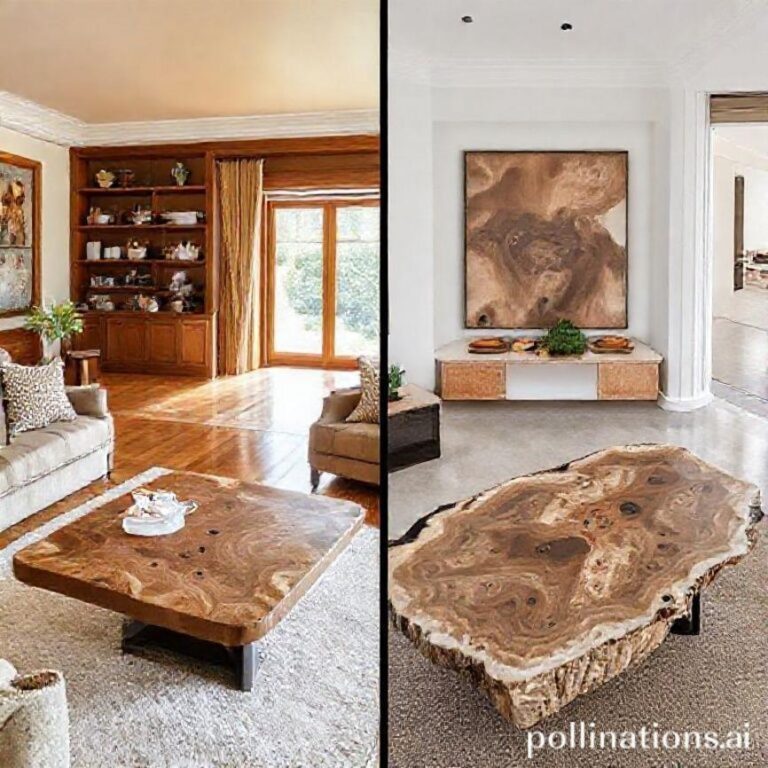
Generally, larger pieces of petrified wood are more valuable, especially if they are relatively intact sections of a tree trunk or limb. Large, solid pieces that can be fashioned into impressive tabletops, sculptures, or decorative focal points are particularly prized. However, even smaller specimens can be highly valuable if they display exceptional quality, rarity, or unique characteristics. Intact logs, cross-sections showing perfect rings, or even pieces that clearly show bark or knots can fetch a premium.
Age and Provenance
While all petrified wood is ancient, some pieces are significantly older than others, dating back tens or even hundreds of millions of years. Knowing the geological period and precise origin (provenance) of a specimen can add to its scientific and historical value. Documented provenance from historically significant sites or well-known geological formations can make a piece more desirable to serious collectors and institutions.
Condition and Quality
Like any fossil or antique, the overall condition of the petrified wood matters. Pieces that are free from significant cracks, repairs, or damage are more valuable. The quality also refers to the completeness of the petrification process and the stability of the stone. A well-silicified, dense, and structurally sound piece is always preferred over one that is brittle or fragmented.
Petrified Wood as a Collectible
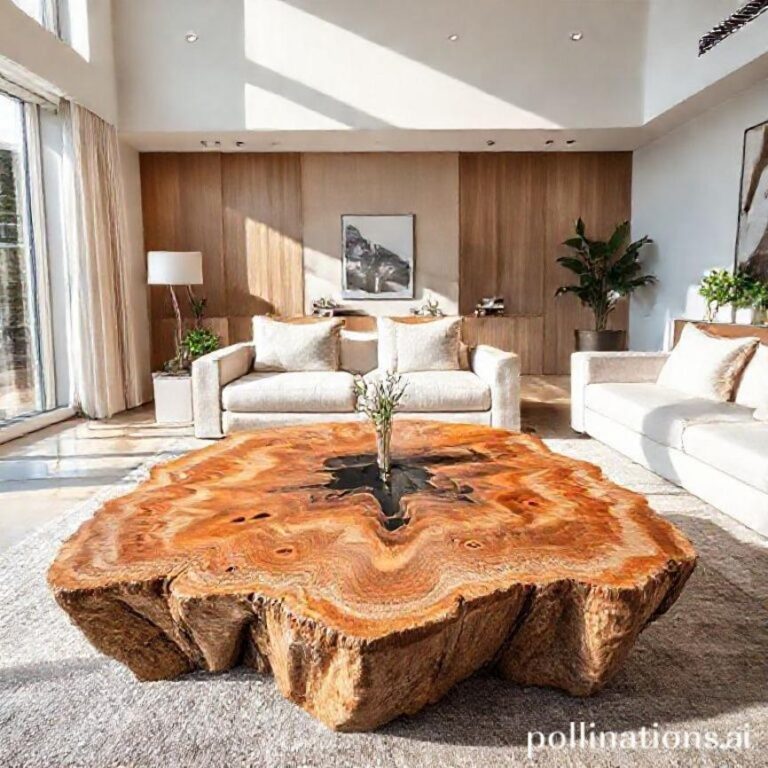
Beyond its investment potential, petrified wood holds immense appeal as a collectible. It bridges the gap between geology, paleontology, and art. For many, it’s a way to connect with deep time, to hold a tangible piece of Earth’s ancient past. Interior designers frequently use large, striking pieces as unique statement furniture or decorative elements in high-end homes and offices, drawn to its organic beauty and sophisticated presence. It offers a natural, grounding element in modern spaces, often becoming a conversation starter due to its fascinating origins.
Unlike mass-produced decor, each piece of petrified wood tells its own story, making it a unique addition to any collection or living space. It complements other natural collectibles like crystals, minerals, and fossils, creating a cohesive theme of Earth’s wonders.
Investment Potential: Pros and Cons
So, is petrified wood a good investment? Let’s weigh the potential upsides and considerations:
Pros:
- Scarcity: Petrified wood is a finite resource. Once a deposit is exhausted, no more can be found. This inherent scarcity supports long-term value appreciation.
- Increasing Demand: As awareness of its beauty and uniqueness grows, so does demand from collectors, designers, and enthusiasts worldwide.
- Aesthetic Appreciation: Its natural beauty ensures it remains desirable as a decorative object, giving it intrinsic value beyond just its rarity.
- Historical Significance: Owning petrified wood is like owning a piece of natural history, connecting you to ancient ecosystems and geological processes.
- Durability: Once petrified, it is incredibly durable and will last indefinitely with proper care, making it a stable asset.
Cons:
- Liquidity: The market for petrified wood is not as liquid as, say, stocks or gold. Selling a high-value piece might take time and require finding the right buyer.
- Storage and Transportation: Large pieces can be very heavy and fragile, requiring specialized handling, shipping, and dedicated display or storage space.
- Authentication: While generally less prone to fakes than some other collectibles, ensuring provenance and authenticity from reputable dealers is crucial. The market is not as regulated as fine art.
- Market Knowledge Required: To make truly informed investment decisions, you need to develop an understanding of what makes a piece valuable, including its type, origin, and quality.
Tips for Investing in Petrified Wood
If you’re considering petrified wood as an investment or a significant collectible, here are some tips to guide you:
- Do Your Research: Learn about different types of petrified wood, their origins, and what characteristics are most valued. Visit museums, exhibitions, and specialized galleries.
- Buy from Reputable Dealers: Always purchase from dealers who can provide details about the origin and type of wood. A trusted dealer will ensure you’re getting an authentic and quality piece.
- Focus on Quality and Aesthetics: Prioritize pieces with vibrant colors, clear patterns, excellent preservation of wood grain, and minimal damage. These are the pieces most likely to appreciate in value.
- Consider Size and Form: While smaller, exceptional specimens are great, large, well-formed pieces (like intact logs or substantial cross-sections) often command the highest prices.
- Think Long-Term: Petrified wood is generally a long-term asset. Don’t expect quick flips; rather, appreciate its potential for value appreciation over years, even decades.
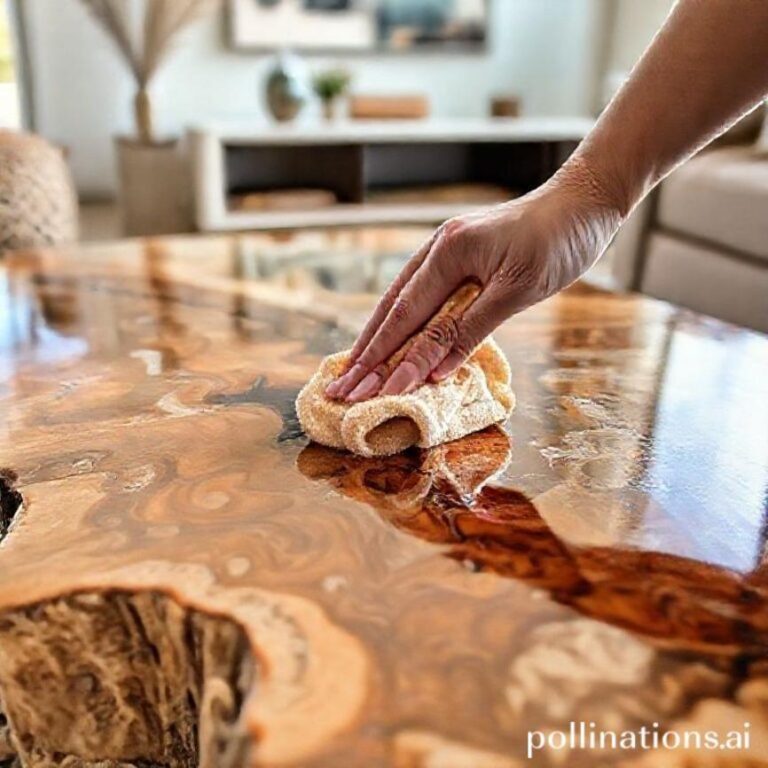
- Care and Maintenance: Keep your petrified wood clean and stable. While durable, sharp impacts can chip it. Protect polished surfaces from scratches.
Remember this timeless wisdom from Sundanese culture: “Kaendahan alam teh titipan ti Gusti, wajib dijaga tur dipiara.” (The beauty of nature is a gift from God; it must be preserved and cared for.) This sentiment perfectly encapsulates our responsibility and appreciation for such natural treasures.
The Market for Petrified Wood
The market for petrified wood is global and diverse. You can find pieces at mineral and gem shows, specialized geological galleries, antique shops, and increasingly, through online platforms and auction houses. Prices can vary dramatically, from small, polished specimens costing tens of dollars to monumental, museum-quality pieces fetching tens of thousands, or even hundreds of thousands, of dollars. Understanding the current market trends and being patient to find the right piece at the right price is part of the collecting journey.
Conclusion
Petrified wood offers a unique blend of natural artistry, geological history, and tangible beauty. As an investment, it presents an intriguing opportunity for those willing to look beyond conventional assets. While it may not offer the rapid liquidity of some financial instruments, its inherent scarcity, growing demand, and enduring aesthetic appeal position it as a potentially valuable long-term asset and a truly distinctive collectible.
It’s more than just a stone; it’s a window into Earth’s past, a conversation piece that tells a story spanning millions of years. Whether you’re a seasoned collector or simply someone enchanted by nature’s wonders, investing in petrified wood is an opportunity to own a piece of geological art that will continue to captivate for generations to come.
Inspired by the earth’s timeless beauty? Imagine that same natural artistry transformed into something uniquely yours. While petrified wood itself offers a journey through time, we invite you to embark on a creative journey with us. Explore the potential to craft personalized items, perhaps even shoes, that embody natural elegance and unique design. Visit petrifiedwoodindonesia.com to discover how you can bring your vision to life.
TAGS: Petrified wood, Investment, Collectibles, Geological art, Ancient wood, Natural history, Home decor, Rare minerals, Fossil wood, Unique gifts