Different Types of Fossils Found Around the World
1. Petrified Wood
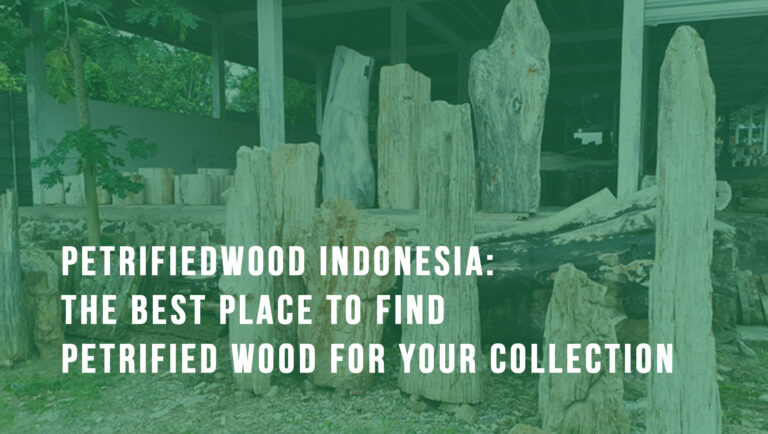
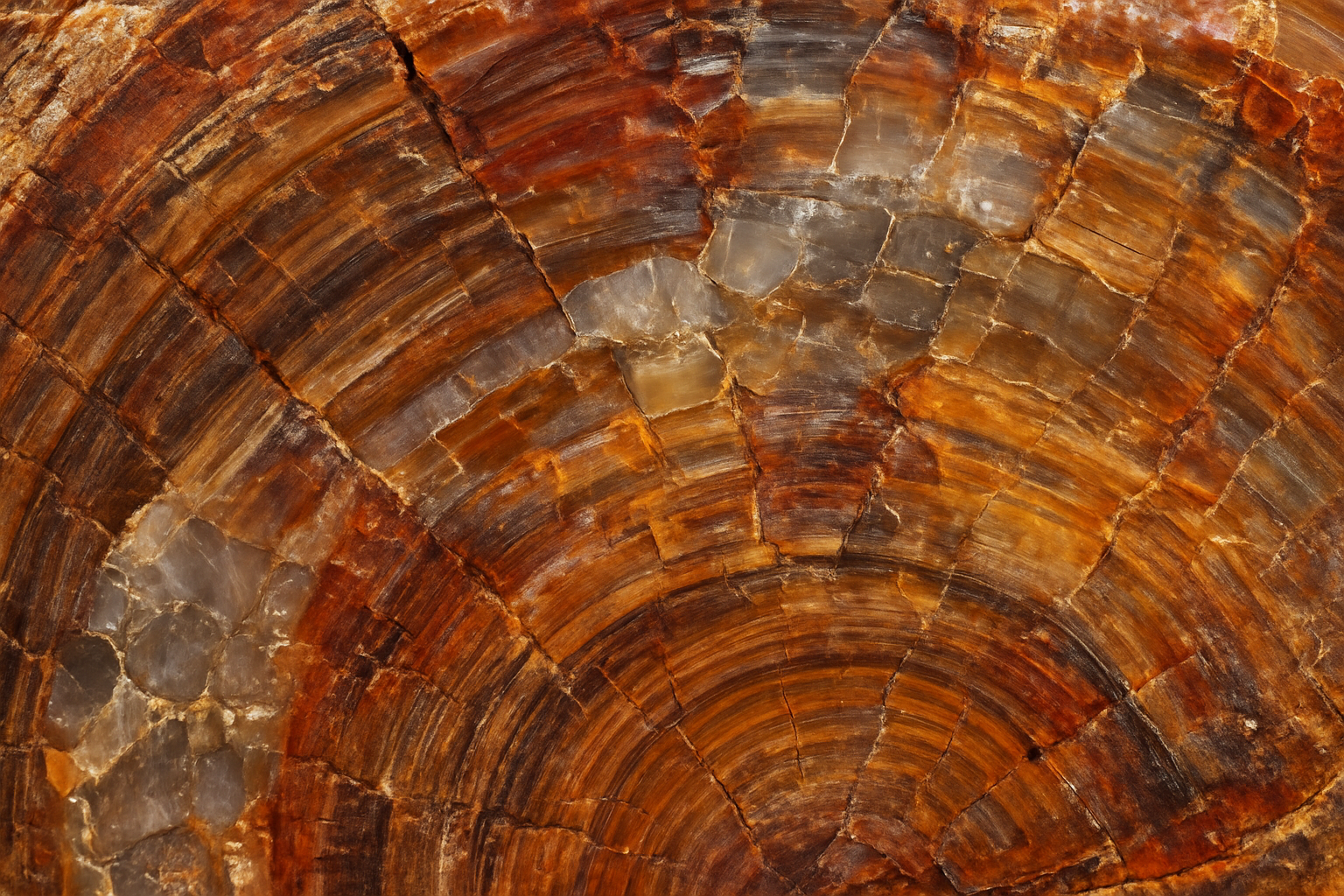
Petrified wood forms when the organic material of wood is replaced by minerals, effectively turning it into stone while keeping the original structure intact. This fascinating fossil can be found globally, with notable examples from places like the United States, Indonesia, and Africa.
2. Impression Fossils
Impression fossils occur when an organism leaves an imprint or a mark in soft sediment that later hardens. These fossils capture details like footprints of dinosaurs, leaf patterns, or other surface textures without preserving the actual body parts.
3. Cast Fossils
Cast fossils happen when the hollow space left by a decomposed organism is filled with minerals or sediment, creating a three-dimensional replica of the original creature. Shell fossils often form this way, where the original shell decays but leaves a detailed mold.
4. Trace Fossils
Trace fossils represent signs of an organism’s activity rather than its physical remains. Examples include footprints, burrows, nests, or feeding marks that provide insight into ancient behavior.
5. Amber Fossils
Amber fossils consist of organisms like insects or small plants trapped and preserved inside hardened tree resin. These fossils are prized for their exceptional detail and ability to reveal ancient ecosystems.
6. Frozen Fossils
These fossils form when creatures are rapidly preserved in ice or permafrost, preventing decay and often maintaining soft tissues. Woolly mammoths discovered in Siberia are classic examples of frozen fossils.
7. Mummified Fossils
Mummified fossils occur when organisms are naturally preserved in dry, arid environments, preventing decomposition. This preservation can maintain skin, organs, and other soft parts, like some ancient human mummies.
8. Permineralized Fossils
In permineralization, minerals fill the pores and spaces inside organic tissue, preserving fine details of the structure. Petrified wood is a well-known example, where silica or other minerals replace wood cells.
9. Carbonized Fossils
Carbonization happens when organisms are subjected to pressure and heat, leaving behind a thin layer of carbon that outlines their shape. This process commonly preserves delicate details of leaves, fish, and insects.
10. Microfossils
Microfossils are the tiny remains of microscopic organisms such as plankton, spores, or bacteria, usually requiring magnification to study. Despite their size, they offer critical information for understanding Earth’s history.