From Ancient Forests to Modern Homes: Indonesia, The World’s Best Petrified Wood Source
Halo, teman-teman! Ever wondered about those stunning pieces of stone that look exactly like wood, with intricate grains and beautiful colors? That’s petrified wood, a true marvel of nature, and when it comes to finding the best of it, one country stands head and shoulders above the rest: Indonesia. Yes, this beautiful archipelago isn’t just famous for its beaches, volcanoes, and vibrant culture; it’s also a treasure trove of ancient forests turned to stone. So, grab a cup of kopi, and let’s explore why Indonesia is truly the world’s best source for petrified wood.
What is Petrified Wood? A Glimpse into Ancient Forests
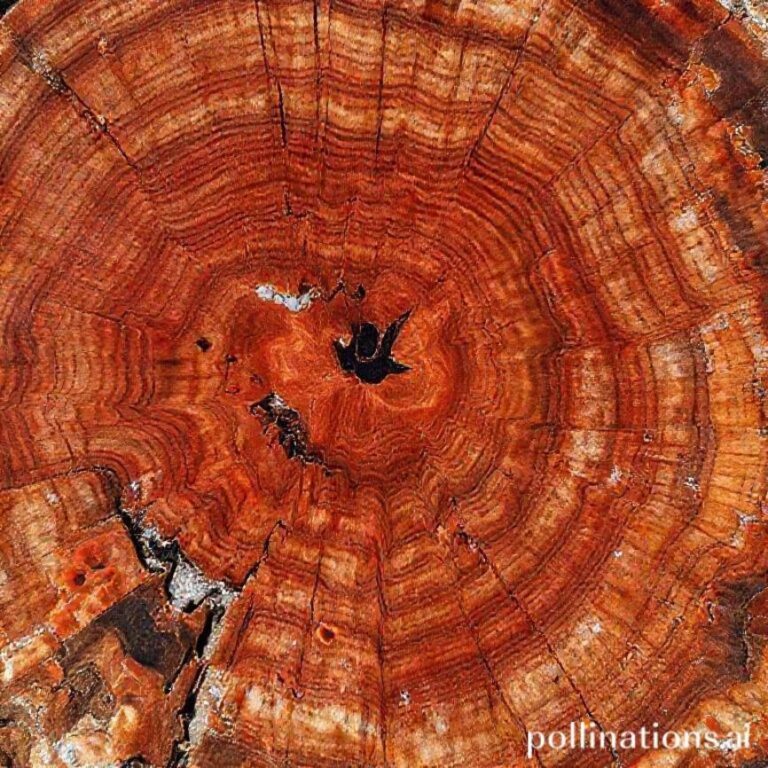
Before we dive into Indonesia’s unique position, let’s quickly understand what petrified wood actually is. Imagine a tree, millions of years ago, falling and getting buried under layers of sediment, volcanic ash, or mud. This burial happens so quickly that the wood is protected from decaying due to lack of oxygen. Over an incredibly long period, groundwater rich in dissolved minerals – like silica, iron, and manganese – seeps into the wood’s cellular structure. As the organic material of the wood slowly decays, it’s replaced by these minerals, molecule by molecule. This process, called permineralization, is so precise that it preserves the original structure of the wood, down to the tiniest tree rings and bark patterns!
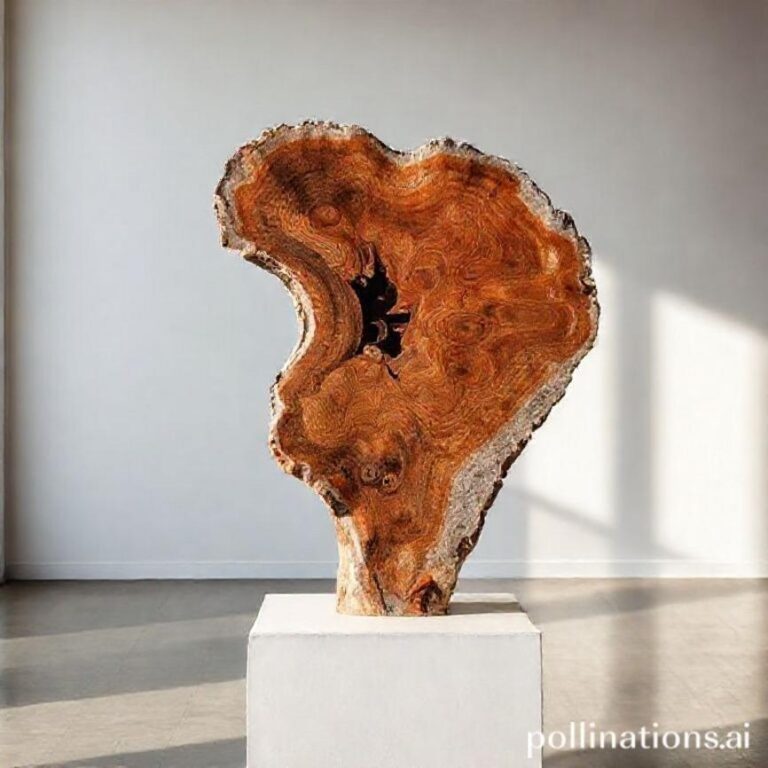
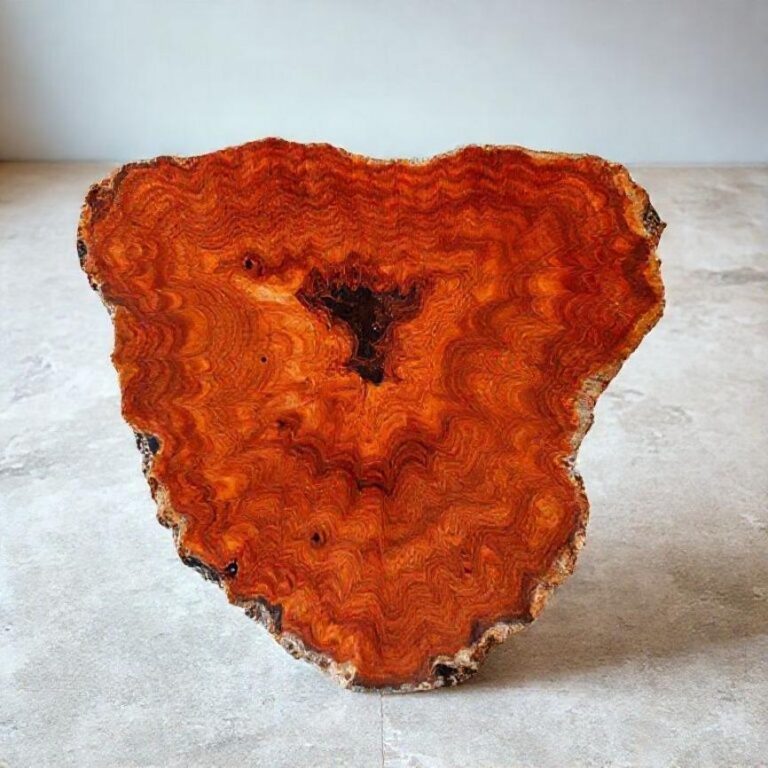
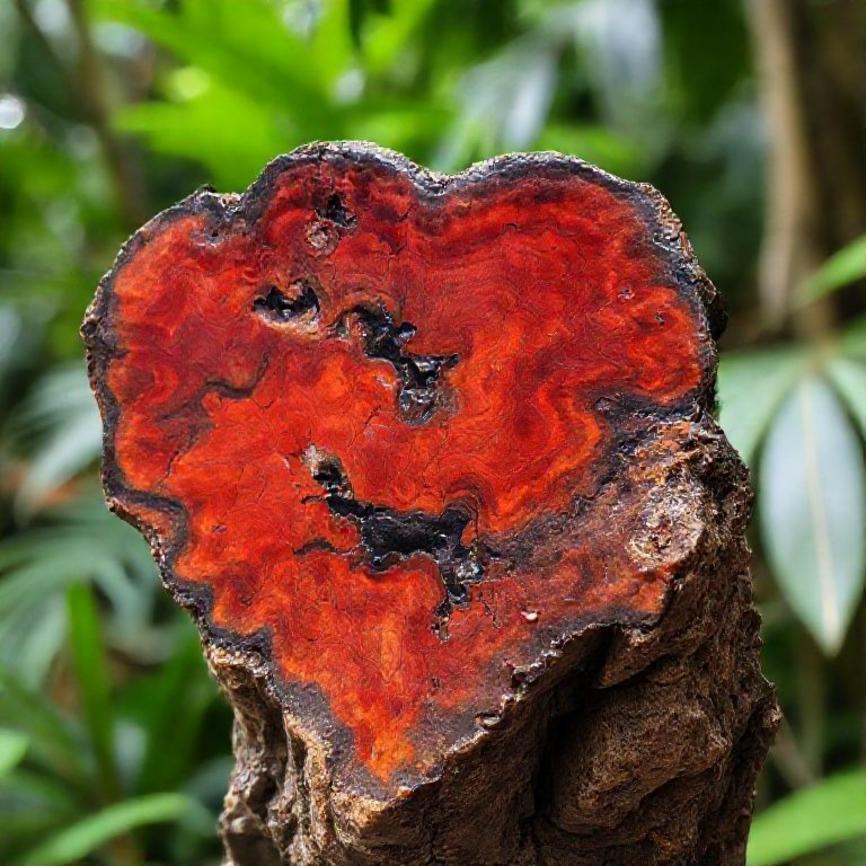
The result is a fossil, a stone copy of the original wood. The minerals give petrified wood its dazzling array of colors: reds and browns from iron oxides, blacks from carbon, greens and blues from copper, and yellows from manganese. It’s like nature’s own masterpiece, capturing a moment in time from prehistoric forests and transforming it into something incredibly hard, durable, and visually captivating. Each piece tells a story of ancient ecosystems, climate, and geological events.
Indonesia’s Unique Geological Tapestry: A Perfect Recipe
Now, why Indonesia? Well, it all comes down to a perfect storm of geological and climatic conditions. Indonesia is situated right on the “Ring of Fire,” a zone of intense volcanic and seismic activity. This means a rich history of volcanic eruptions, which played a crucial role. When volcanoes erupt, they spew out ash and debris that can quickly bury forests. This rapid burial is key to preventing decay and kickstarting the petrification process.
Moreover, the volcanic ash and subsequent breakdown of volcanic rock create soil and groundwater that are incredibly rich in silica – the primary ingredient for petrification. Combine this with Indonesia’s tropical climate, characterized by abundant rainfall, and you have an ideal environment. The heavy rains facilitate the movement of mineral-rich water through the buried wood. The high humidity and warm temperatures also contribute to rapid growth of vegetation, which then falls and gets buried, ensuring a continuous supply of material for petrification.
The tectonic plate movements in the region have also played a significant role, constantly reshaping the landscape, burying and then uplifting these ancient treasures, making them accessible today. It’s like Mother Nature specifically designed Indonesia as a giant petrification factory!
Abundance and Diversity: A Treasure Trove Unmatched
One of the most striking aspects of Indonesian petrified wood is its sheer abundance and incredible diversity. From Sumatra to Java and Kalimantan, vast deposits have been discovered, showcasing a variety of ancient tree species. You can find everything from ancient teak and palm species to a wide array of tropical hardwoods that once thrived in Indonesia’s prehistoric rainforests.
The diversity isn’t just in the type of tree, but also in the stunning colors and patterns. Due to the varying mineral compositions in different regions and geological periods, Indonesian petrified wood comes in an astonishing spectrum of hues. You might find pieces with vibrant reds and oranges, earthy browns, deep blacks, subtle greys, and even rare blues and greens. The intricate wood grain, sometimes adorned with shimmering crystal pockets, makes each piece a unique work of art. As they say in Sundanese, “Ti alam urang meunang sagala rupa kabeungharan” – From nature, we obtain all sorts of wealth and riches, and petrified wood is certainly one of them.
This unparalleled variety means that collectors, designers, and enthusiasts can find pieces that perfectly match their aesthetic, whether they’re looking for a rustic, natural look or something more polished and refined.
The Art of Extraction and Craftsmanship
Finding petrified wood is one thing; carefully extracting and transforming it into usable items is another. In Indonesia, the process often involves local communities who have developed unique skills over generations. Pieces are often discovered in riverbeds, quarries, or exposed by erosion, and careful manual labor is employed to extract them, minimizing damage to these fragile ancient relics.
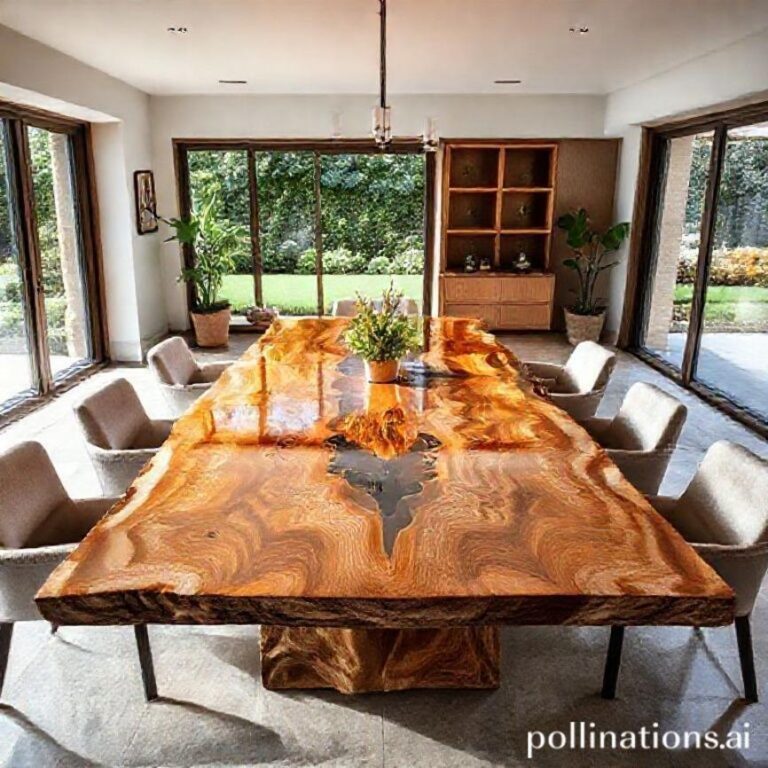
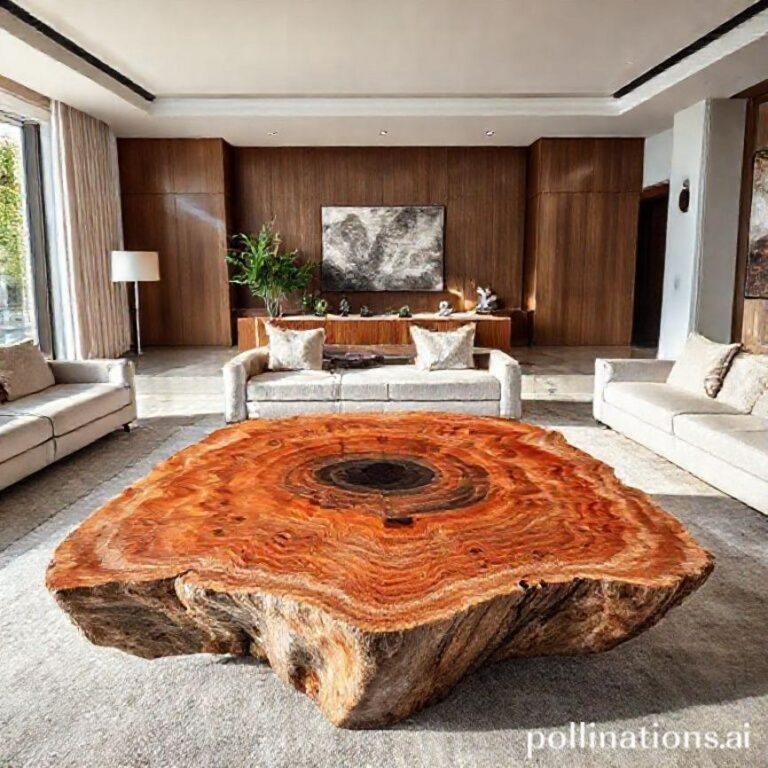
Once extracted, the raw petrified wood undergoes a meticulous process of cleaning, cutting, and polishing. Indonesian artisans are renowned for their expertise in working with this difficult material. They possess the skill to reveal the hidden beauty within each stone, transforming rough, ancient logs into magnificent furniture pieces like tables, stools, and sinks, or into exquisite decorative items such as sculptures, bowls, and tiles. The craftsmanship often highlights the natural patterns and colors, ensuring that the essence of the original wood and its journey through time is preserved and celebrated.
This artisanal approach not only creates stunning products but also supports local economies and preserves traditional skills, adding another layer of value to Indonesian petrified wood.
Economic Impact and Global Recognition
The trade of Indonesian petrified wood has a significant economic impact, particularly in rural areas where it is found. It provides livelihoods for miners, artisans, and exporters, contributing to the local and national economy. Indonesian petrified wood is highly sought after in international markets, adorning homes, offices, and gardens across the globe.
Its unique combination of natural beauty, durability, and historical significance makes it a premium material for interior design, landscaping, and collectible art. Designers love its organic elegance and the story it tells, using it to add a touch of ancient nature and timeless sophistication to modern spaces. From rustic garden benches to luxurious boardroom tables, Indonesian petrified wood continues to captivate and inspire, solidifying its reputation as a global leader.
Conclusion
So there you have it, teman-teman. Indonesia’s exceptional geological history, its tropical climate, and the sheer abundance and diversity of its ancient forests have converged to make it the undisputed global leader in petrified wood. Each piece is not just a stone but a window into a world millions of years old, a testament to nature’s incredible power of transformation, expertly brought to light by skilled Indonesian hands.
Ready to experience the timeless beauty of Indonesian petrified wood? Whether you’re a designer, a collector, or simply looking for a unique touch, explore the incredible possibilities. And yes, if you’re feeling inspired to create something truly out of the ordinary, perhaps even a pair of shoes unlike any other, visit us at https://petrifiedwoodindonesia.com/ to discover how these ancient treasures can become a part of your modern story.
TAGS: petrified wood, Indonesia, fossil wood, geological marvels, ancient forests, natural stone, home decor, Indonesian craftsmanship, volcanic activity, natural treasures