From Living Tree to Lasting Stone: The Mesmerizing Science Behind Petrified Wood’s Formation and Beauty
Ever gazed upon a piece of petrified wood and wondered how a living, breathing tree could possibly turn into solid stone? It’s a question that sparks curiosity and awe, making these ancient relics some of Earth’s most captivating natural treasures. What seems like pure magic is, in fact, a fascinating tale of geology, chemistry, and immense stretches of time. In Indonesia, a country rich in geological history and volcanic activity, petrified wood is not just a beautiful rock; it’s a window into an ancient world, a testament to nature’s incredible power to preserve and transform. Let’s peel back the layers of earth and time to uncover the mesmerizing science behind the beauty of fossil wood.
What Exactly Is Petrified Wood?
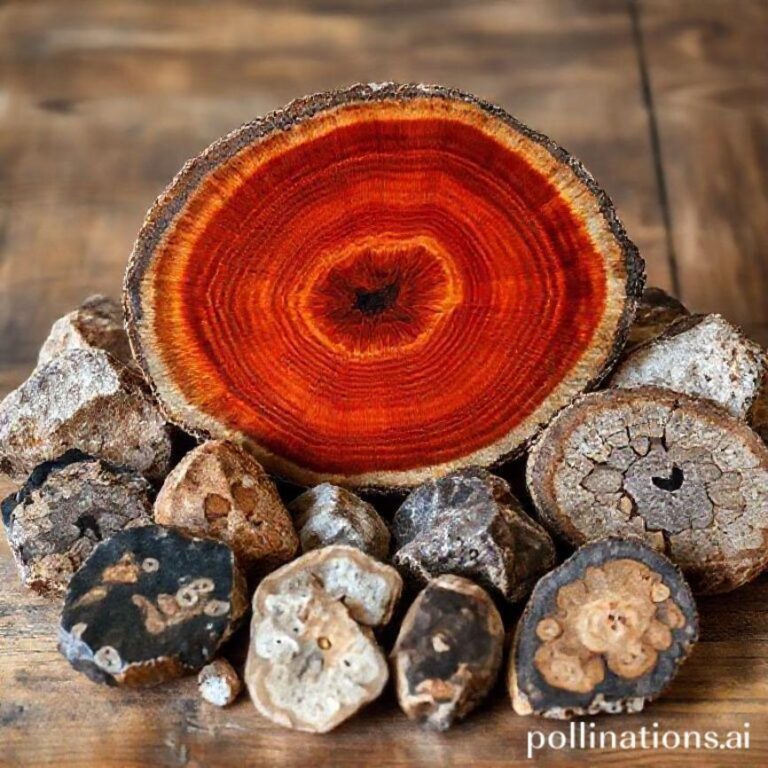
Before diving into the “how,” let’s clarify “what.” Petrified wood isn’t just wood that’s become hard; it’s a specific type of fossil where the original organic material of a tree has been completely replaced by minerals, primarily silica. Think of it like a meticulous sculptor, but instead of shaping clay, nature slowly replaces every cell, fiber, and growth ring of a tree with stone. The result? A perfect stony replica of the original wood, often retaining incredible detail, from the intricate patterns of the tree rings to the texture of the bark and even microscopic cellular structures.
This process is generally known as permineralization or petrifaction. It’s a slow dance between decay and preservation, where inorganic minerals step in to fill the void left by decaying organic matter. It’s truly a marvel to hold a piece of petrified wood and realize you’re touching a tree that might have stood tall millions of years ago, now immortalized in stone.
The Critical First Step: Burial and Oxygen Deprivation
For a tree to become petrified, a very specific set of conditions must be met. The most crucial initial step is rapid burial. Imagine a mighty tree falling, perhaps due to a volcanic eruption, a massive flood, or a landslide. Instead of slowly rotting away on the forest floor, this tree is quickly covered by sediment – volcanic ash, mud, sand, or silt. This speedy burial is vital for two main reasons:
- Protection from Decay: Once buried, the wood is largely protected from the elements that cause decay, such as oxygen, bacteria, fungi, and insects. These agents are the primary drivers of decomposition, breaking down organic matter quickly.
- Anoxic Environment: Deep beneath the earth, oxygen levels are extremely low, creating an anoxic (oxygen-deprived) environment. This significantly slows down or halts the decay process, giving the subsequent mineralization process enough time to work its magic. Without rapid burial and anoxia, the tree would simply decompose and vanish, leaving no trace.
This initial stage often occurs in environments rich in volcanic activity or sediment deposition, such as floodplains, deltas, or areas near active volcanoes. Indonesia, with its vast volcanic arc, provides many such ideal geological settings.
The Magic of Mineralization: How Wood Becomes Stone
Once buried and protected, the real transformation begins. Groundwater, rich in dissolved minerals, starts to seep through the surrounding sediment and into the buried wood. This water acts as the primary agent of petrifaction. The most common mineral involved in this process is silica (SiO2), often derived from volcanic ash or quartz sand in the groundwater.
The mineralization process can be understood in two main phases:
- Permineralization: In this phase, minerals from the groundwater penetrate the porous structure of the wood. They fill in all the tiny empty spaces within the wood cells – the cell lumens, the spaces between cell walls, and any other microscopic voids. As the water evaporates or conditions change, these dissolved minerals precipitate and crystallize, effectively “fossilizing” the wood from the inside out. This adds significant weight and hardness to the wood, stabilizing its structure.
- Replacement: This is the more intricate and time-consuming part. Over vast geological timescales, the organic molecules that make up the wood (cellulose and lignin) are slowly dissolved away by the groundwater. As these organic molecules depart, they are simultaneously replaced, molecule by molecule, by depositing minerals. This substitution is so gradual and precise that the original microscopic structure of the wood is perfectly preserved. The resulting “stone” retains all the cellular details of the original tree, making it a perfect replica.
While silica is the most common replacing mineral (forming chalcedony, opal, or quartz), other minerals like calcite, pyrite, or even uranium can sometimes be involved, depending on the local geological conditions.
A Kaleidoscope of Colors: Why Petrified Wood is So Colorful
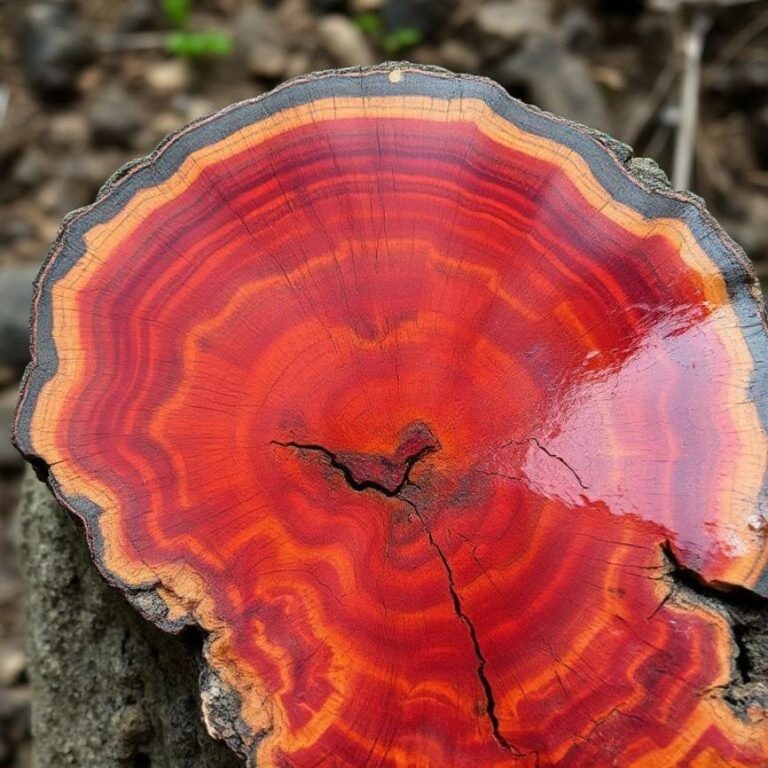
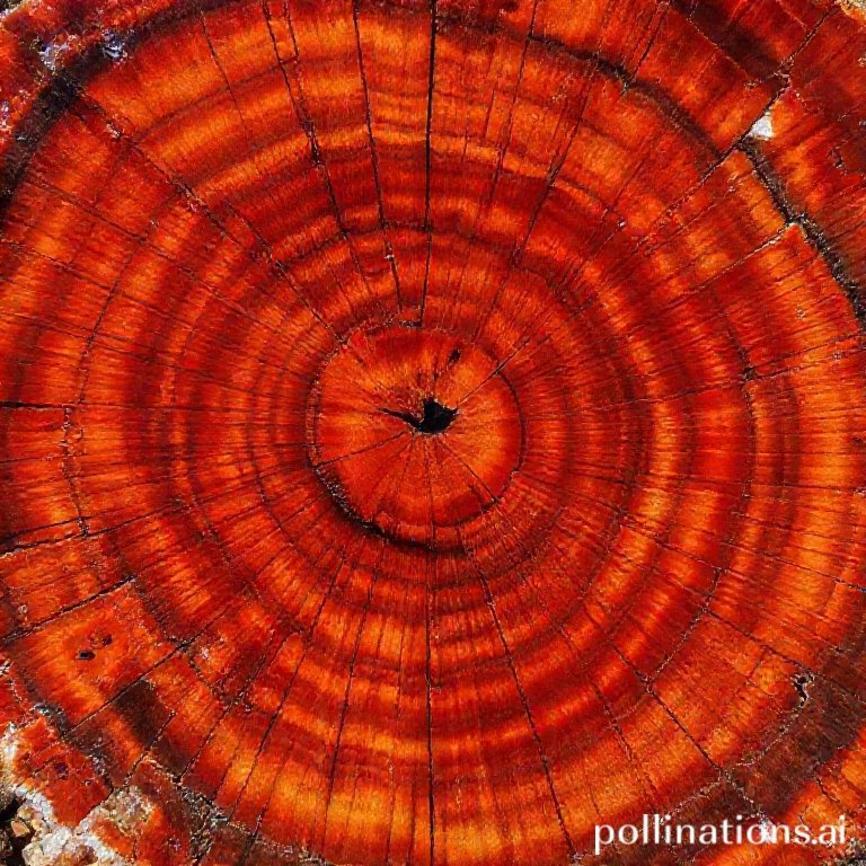
One of the most captivating aspects of petrified wood is its incredible array of colors. From deep reds and fiery oranges to subtle blues, greens, and vibrant yellows, these hues are not from the original tree itself. Instead, they are a beautiful byproduct of various trace mineral impurities present in the groundwater during the mineralization process.
- Iron Oxides: These are perhaps the most common colorants. Different forms and oxidation states of iron create a range of colors:
- Red, Pink, Orange: Often due to hematite (ferric iron oxide).
- Yellow, Brown: Typically from goethite or limonite (hydrous iron oxides).
- Manganese Oxides: These can impart striking black, blue, or sometimes purple tones.
- Copper: Traces of copper can result in beautiful blue or green coloration.
- Chromium: Sometimes leads to a greenish hue.
- Carbon: While most organic material is replaced, residual carbon can sometimes contribute to black or very dark colors.
The specific combination and concentration of these trace elements, along with the purity of the silica and the rate of mineralization, all contribute to the unique and often stunning patterns seen in each piece of petrified wood. No two pieces are ever exactly alike, making each one a natural masterpiece.
Geological Time: The Ultimate Sculptor
The entire process of petrifaction is not a quick event; it unfolds over immense geological timescales, often spanning millions of years. It’s a testament to the slow, persistent power of natural processes. For instance, many famous petrified forests, like those found in Arizona or parts of Indonesia, are tens of millions of years old.
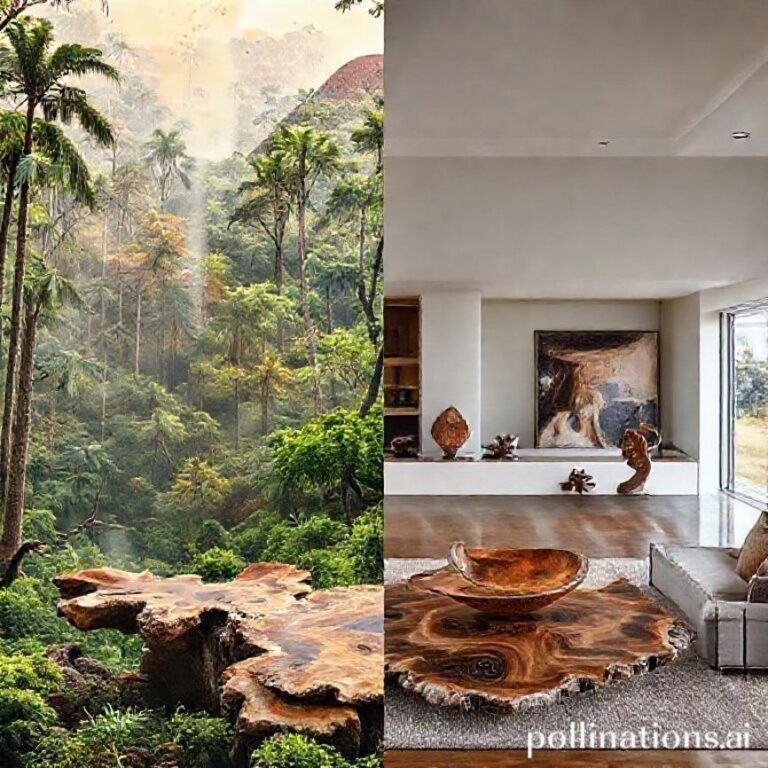
During these vast periods, the buried, petrifying wood undergoes countless geological changes. Sediments accumulate, pressures build, and tectonic forces might uplift the land. Eventually, through erosion – wind, water, and ice slowly wearing away the overlying rock and soil – these ancient stone trees are brought back to the surface, ready to be discovered and marveled at by us. As the Sundanese saying goes, “Alam endah, pinuh ku carita ti jaman baheula.” (Nature is beautiful, full of stories from ancient times.) Indeed, each piece of petrified wood tells a story millions of years in the making, a silent witness to Earth’s ancient past.
Beyond Beauty: The Significance of Petrified Wood
While its aesthetic appeal is undeniable, petrified wood offers far more than just visual beauty. It’s a treasure trove of information for scientists and a source of inspiration for many:
- Scientific Window: Paleobotanists and geologists study petrified wood to understand ancient plant life, ecosystems, climates, and geological processes. It provides concrete evidence of flora that existed millions of years ago, helping us reconstruct Earth’s history.
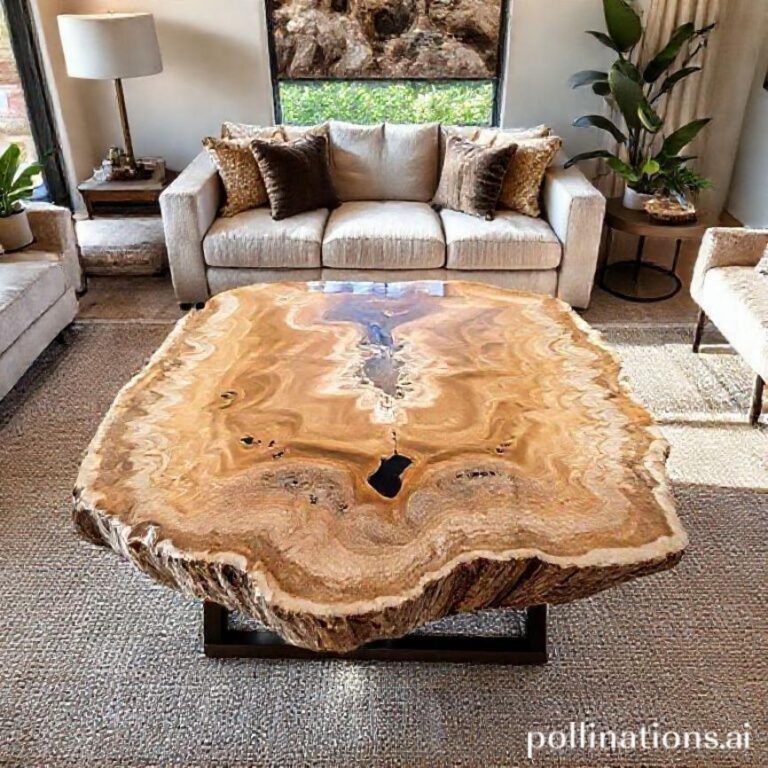
- Natural Art: Its unique patterns, vibrant colors, and smooth texture make it a popular material for decorative items, jewelry, tabletops, and even intricate carvings. Each piece is a unique natural sculpture.
- Rarity and Uniqueness: The specific conditions required for petrifaction mean that while not extremely rare globally, large, well-preserved specimens are highly valued. Every piece is a unique artifact, irreplaceable and distinct.
Holding a piece of petrified wood connects us directly to deep time, to an era when different creatures roamed the Earth and different plants flourished. It’s a tangible link to our planet’s incredible journey.
Conclusion: Nature’s Enduring Art
The transformation of a living tree into solid stone is a profound demonstration of nature’s artistry and scientific ingenuity. It’s a captivating blend of geological fortune, precise chemistry, and the vast, patient expanse of geological time. From the rapid burial of a fallen tree to its slow, molecule-by-molecule replacement by dissolved minerals, petrified wood stands as a stunning testament to preservation and transformation.
These ancient stone trees, especially abundant in geologically active regions like Indonesia, remind us of the incredible stories etched within our Earth. They are not just beautiful stones; they are silent historians, invaluable scientific specimens, and enduring works of natural art.
And who knows, maybe the same ancient magic that transformed these trees can inspire your next creation. If you’re looking for unique materials or inspiration, why not explore making something truly special? Visit https://petrifiedwoodindonesia.com/ to discover how you can create your own unique items, perhaps even shoes with a touch of this timeless beauty, bringing a piece of ancient history into your modern world.
TAGS: petrified wood, fossil wood, geological process, mineralization, paleontology, Indonesia, natural history, unique materials