Petrified Wood: Meaning, Formation, and Unique Facts
Petrified Wood Meaning
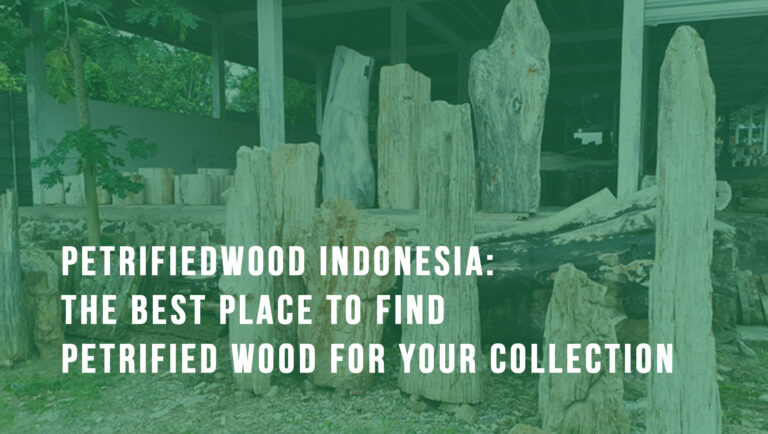
Petrified wood is a fascinating natural wonder where an entire piece of wood has turned into stone over millions of years. This happens when all the organic material in the wood is replaced by minerals—most often silicates like quartz—while still preserving the original structure of the tree. The word “petrified” comes from the Greek petro, meaning “stone” or “rock,” making the literal meaning “wood turned to stone.”
Today, petrified wood is not only admired by fossil collectors and geologists, but also used in jewelry, home décor, and even as a valuable gemstone. For those looking for petrified wood for sale, the uniqueness of each piece makes it both a scientific treasure and an artistic material.
How Petrified Wood Is Formed
The formation of petrified wood begins when a tree becomes buried under layers of sediment or volcanic ash. Mineral-rich water flows through the tree’s structure, gradually replacing its organic material like lignin and cellulose with minerals. Over time, this process—known as permineralization—transforms the wood into stone while keeping the details of its grain, rings, and cellular patterns intact.
Because this transformation takes place deep underground, petrified wood is often discovered buried in ancient geological layers.
River Petrified Wood
Some of the hardest petrified wood specimens come from riverbeds. Over millions of years, constant abrasion from sand and rocks in moving water polishes and hardens the fossil. In many cases, the bark layer is completely worn away, leaving a dense, smooth surface free from chalky residue.
Why Petrified Wood Is Special
- Preserves the original three-dimensional shape of the tree.
- Comes in a variety of colors depending on the minerals involved (quartz, jasper, chalcedony, opal).
- Can be used for decoration, furniture, or jewelry.
- Has spiritual and metaphysical meanings in some cultures, believed to provide grounding energy.
Artificial Petrified Wood
Natural petrification can take millions of years, but scientists have developed a way to create artificial petrified wood in laboratories. Researchers in Washington have successfully replicated the process using pine wood. The wood is soaked in acid for two days, then in a silica solution for another two days. After that, it is heated to 1,400°C in an argon atmosphere for two hours. This results in a silicon carbide ceramic that mimics the look and structure of natural petrified wood.
Conclusion
Petrified wood is more than just a fossil—it’s a bridge between Earth’s ancient past and the present. Whether you are a collector, a jewelry maker, or simply someone who appreciates natural beauty, each piece tells a story written over millions of years.
For those seeking petrified wood for sale, understanding its formation, variations, and value will help you choose a piece that is both scientifically fascinating and aesthetically unique.