Petrified Wood vs. Traditional Wood: The Ultimate Guide to Elevating Your Home’s Style and Durability
When it comes to furnishing and decorating our homes, the choice of materials plays a crucial role not only in aesthetics but also in durability and sustainability. For centuries, traditional wood has been the go-to material, beloved for its warmth, versatility, and natural beauty. However, a fascinating alternative has been gaining traction: petrified wood. This ancient wonder offers a unique blend of history, artistry, and incredible resilience, prompting many homeowners to ponder: which one is right for my home? Let’s dive deep into the world of petrified wood and traditional wood, exploring their characteristics, benefits, and why one might be a better fit for your space than the other.
Understanding the Basics: What Are We Talking About?
What is Petrified Wood?
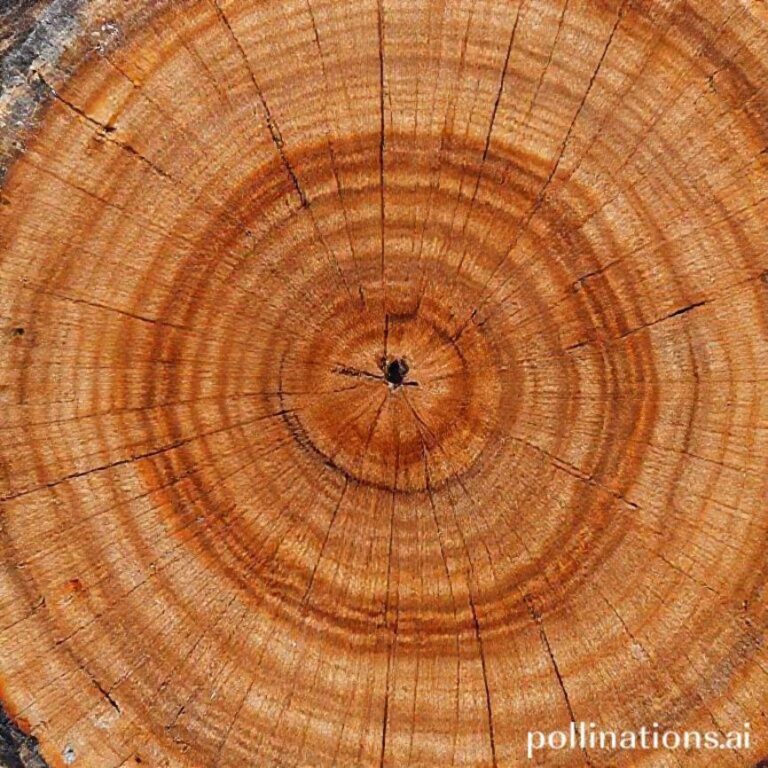
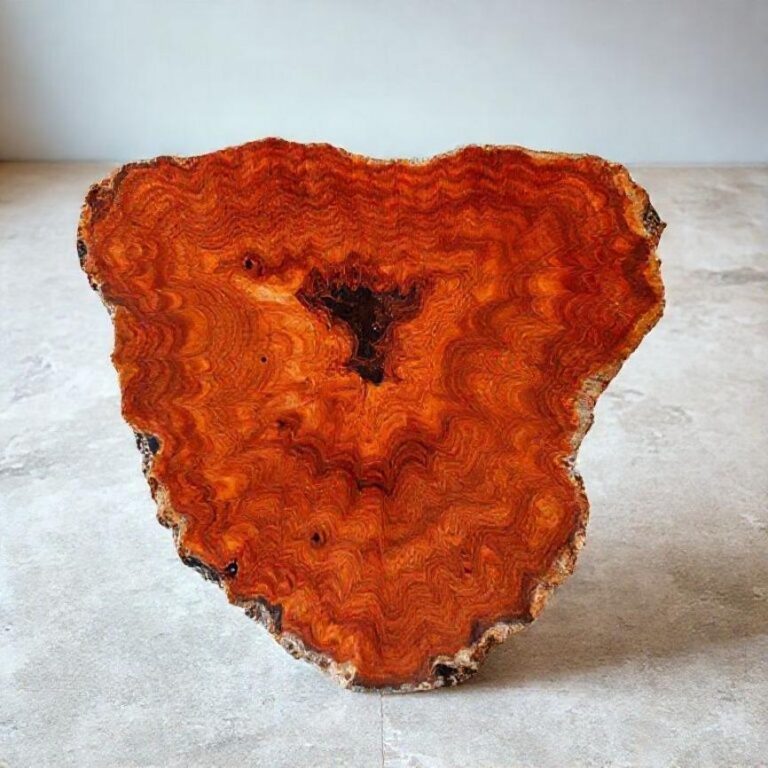
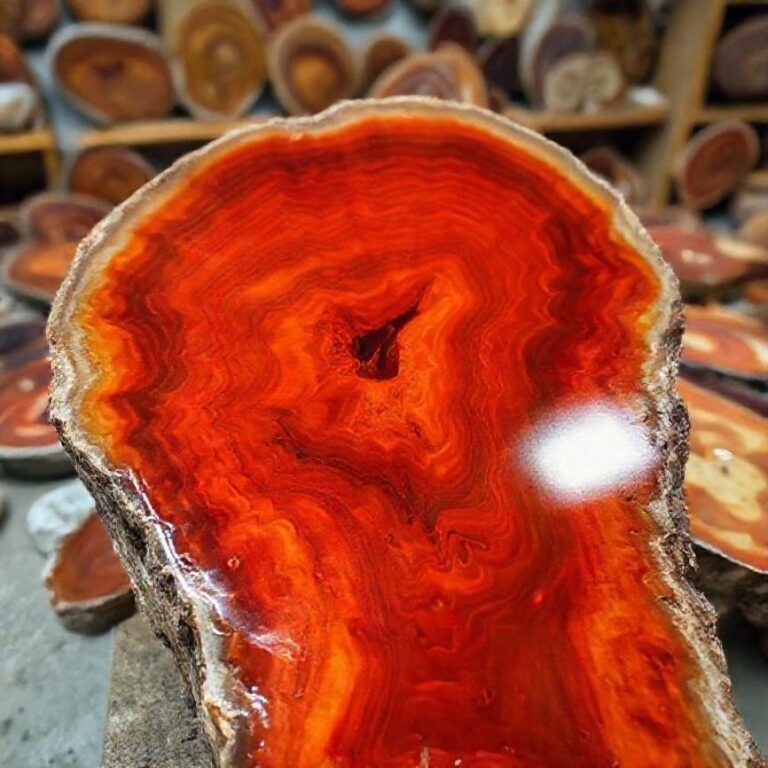
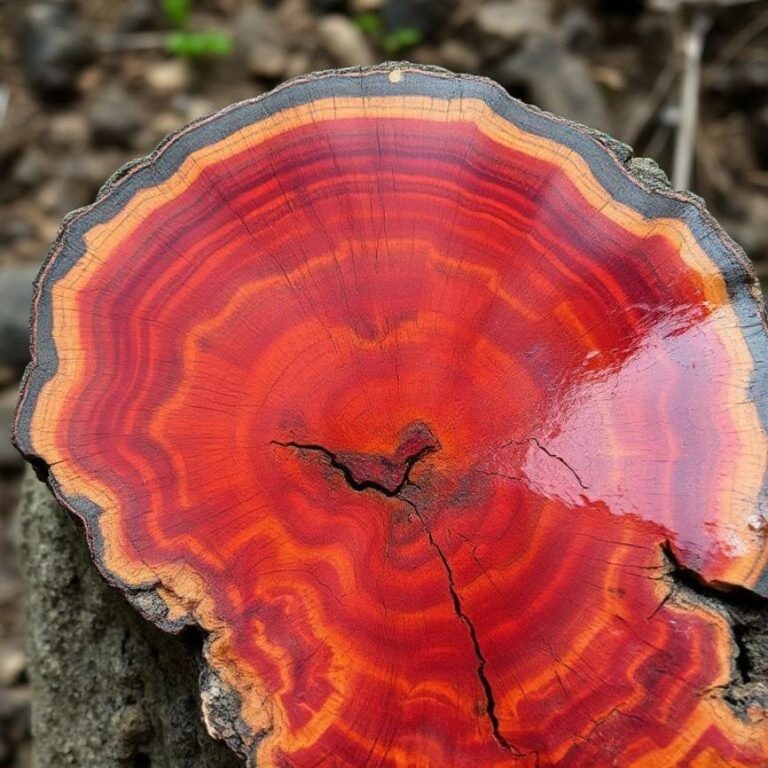
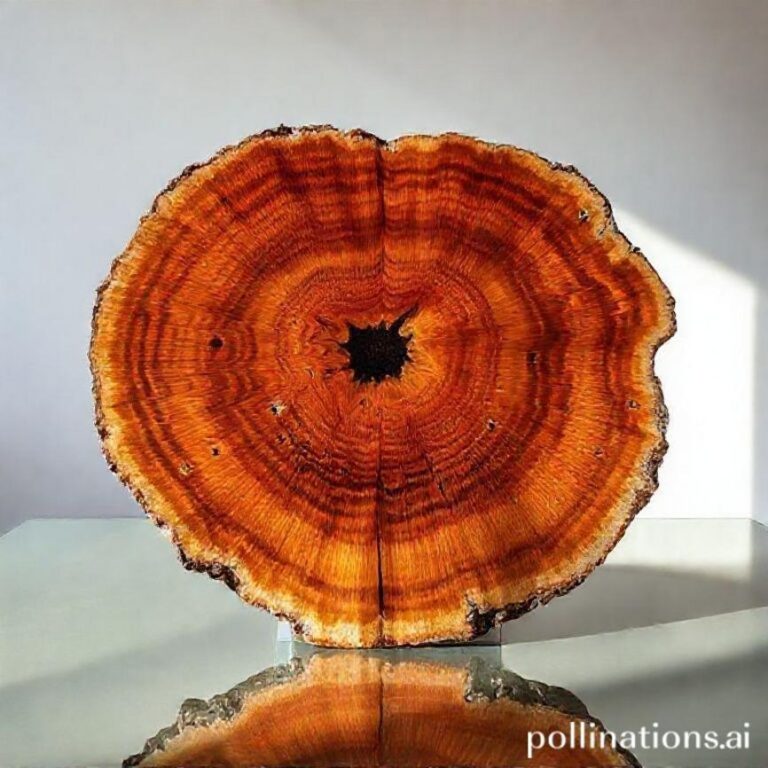
Imagine wood that has transformed into stone over millions of years! Petrified wood is a type of fossil, formed when plant material is buried by sediment and protected from decay by oxygen and organisms. Mineral-rich water then flows through the sediment, replacing the original organic material cell by cell with minerals like silica (often quartz). This slow, intricate process preserves the wood’s original structure, sometimes even down to the cellular level, while giving it the hardness and durability of stone. The result is a stunning material that often retains the wood’s grain, knots, and tree rings, but with a vibrant array of colors from the minerals present during fossilization – reds, browns, blacks, yellows, and even blues and greens.
What is Traditional Wood?
Traditional wood, on the other hand, is timber harvested from trees. It comes in countless varieties, broadly categorized into hardwoods (like oak, maple, walnut, teak) and softwoods (like pine, cedar, fir). Each type boasts distinct characteristics regarding grain pattern, color, hardness, and workability. Traditional wood has been a staple in construction and furniture making for its renewable nature (when sourced sustainably), ease of working, and the cozy, organic feel it brings to any interior.
Durability and Longevity: A Battle of Strength
Here’s where the two materials diverge significantly. Traditional wood, while strong, is susceptible to various factors like moisture, pests (termites!), scratches, dents, and rot over time. It requires regular maintenance, such as sealing, oiling, or waxing, to preserve its integrity. Even the hardest hardwoods can show wear and tear with heavy use, and direct exposure to elements will significantly shorten their lifespan unless properly treated.
Petrified wood, being stone, is incredibly durable. It’s essentially rock-hard, making it resistant to scratches, dents, decay, and insect damage. It can withstand extreme temperatures and is virtually impervious to moisture. This makes it an excellent choice for high-traffic areas or even outdoor applications where traditional wood would quickly deteriorate. Its longevity is measured in geological timeframes, meaning a petrified wood piece in your home will likely outlast generations.
“Kai teu incah balilahan, sanajan geus jadi batu.” (Wood does not abandon its essence, even though it has turned into stone.) This Sundanese proverb perfectly encapsulates the enduring nature of petrified wood, maintaining its original form while transforming into something incredibly strong.
Aesthetics and Style: The Visual Appeal
Both materials offer undeniable beauty, but in different ways. Traditional wood provides a classic, warm, and inviting aesthetic. Its natural grain patterns, variations in color (from light birch to dark wenge), and the ability to be stained or painted allow for immense versatility in design. It fits seamlessly into styles ranging from rustic farmhouse to modern minimalist, offering a timeless elegance that many cherish.
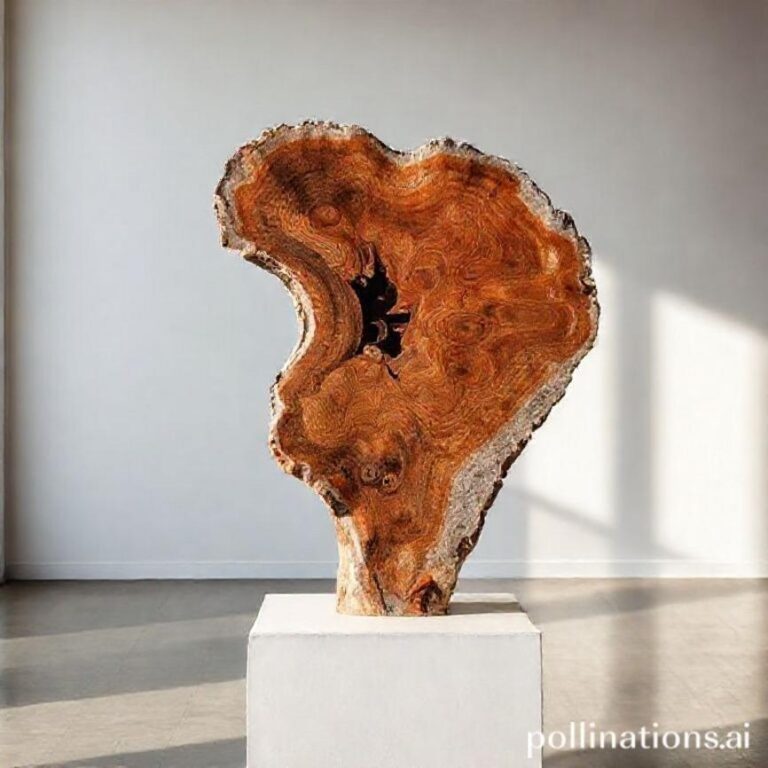
Petrified wood brings a truly unique, exotic, and often dramatic flair. Each piece is a one-of-a-kind natural artwork, with intricate patterns, vibrant mineral colors, and a polished, stone-like surface. It adds a sense of ancient history and geological wonder to a space, making a bold statement. It often fits well in contemporary, industrial, or eclectic interiors, serving as a striking focal point or a conversation starter. Its aesthetic appeal is less about blending in and more about standing out with natural artistry.
Maintenance and Care: Keeping Them Beautiful
Traditional wood typically requires more active maintenance. Depending on the finish, it might need periodic re-sealing, oiling, or polishing. Spills should be wiped up promptly to prevent stains or water damage. Furniture might need coasters and protective pads to prevent scratches. It’s an ongoing commitment to keep wood looking its best.
Petrified wood, being stone, is relatively low maintenance. A simple wipe with a damp cloth is usually enough to keep it clean. It doesn’t require special oils, waxes, or sealants to protect it from daily wear and tear. While resistant to most things, it’s still advisable to avoid harsh chemical cleaners that could dull its polish over time. Its hardness means it won’t scratch easily, but like any stone, a very heavy impact could potentially chip it.
Environmental Impact and Sustainability: A Greener Choice?
The sustainability of traditional wood depends heavily on its sourcing. Responsibly harvested wood from managed forests (look for FSC certification) can be a renewable and environmentally friendly choice. However, illegal logging and deforestation contribute significantly to environmental problems. The manufacturing process for wood furniture also has an energy footprint.
Petrified wood is a finite resource, meaning it’s not renewable in the human timescale. However, its extraction generally involves less intensive processing than mining for other stones, and it typically comes from areas where it naturally occurs close to the surface. Since it’s millions of years old, its use doesn’t contribute to deforestation. Furthermore, its extreme durability means a petrified wood piece has an incredibly long life cycle, reducing the need for replacements and thus diminishing its overall environmental impact over generations.
Cost Considerations: Investment in Your Home
Generally, traditional wood furniture can range widely in price depending on the type of wood, craftsmanship, and brand. You can find very affordable options as well as high-end, heirloom pieces. Its widespread availability contributes to competitive pricing across many segments.
Petrified wood, due to its rarity, unique formation process, and the specialized labor involved in excavating, cutting, and polishing it, often comes at a higher price point. Each piece is a natural artifact, making it an investment in a truly unique item. However, considering its unparalleled durability and minimal maintenance needs, it can be seen as a long-term investment that retains its value and beauty for centuries, perhaps even appreciating over time as a collector’s item.
Versatility in Home Decor: Where Can They Be Used?
Traditional wood is incredibly versatile. It’s used for flooring, wall paneling, cabinetry, dining tables, chairs, beds, shelves, decorative accents, and more. Its workability allows it to be shaped into intricate designs or smooth, modern forms.
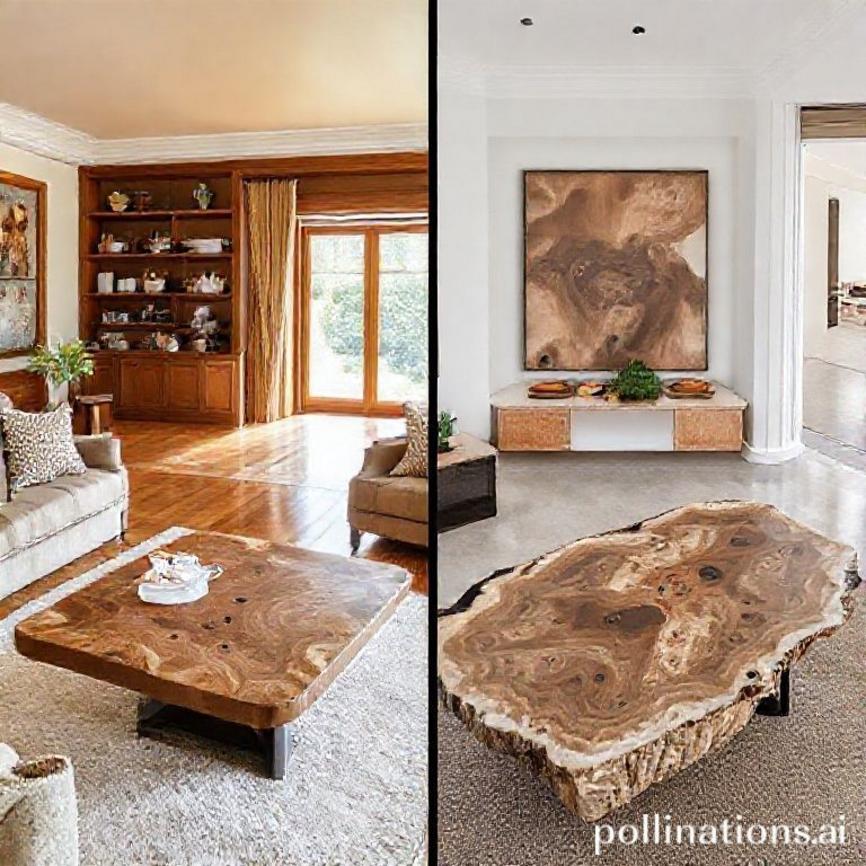
Petrified wood, while less common, offers unique possibilities. Its weight and hardness make it ideal for statement pieces like coffee tables, side tables, console tops, sinks, and decorative sculptures. Smaller polished pieces can serve as bookends, coasters, or paperweights. Its robust nature also makes it suitable for outdoor elements like garden stools or patio tables. Imagine a stunning petrified wood slab as a kitchen island top, completely resistant to heat and spills!
Making Your Choice: Which One is Right for You?
The decision ultimately comes down to your personal preferences, budget, and lifestyle. If you value classic warmth, a traditional aesthetic, and don’t mind a bit of maintenance, traditional wood remains an excellent and beloved choice. It offers unparalleled design flexibility and a comforting, familiar presence.
However, if you’re seeking something truly unique, exceptionally durable, low-maintenance, and a piece that tells a story spanning millions of years, petrified wood is an unparalleled option. It’s for those who want to make a bold statement, embrace natural artistry, and invest in a piece of geological history that will last a lifetime and beyond.
Both materials bring incredible value to a home. Perhaps the best solution is to incorporate both! A traditional wooden floor might be beautifully complemented by a petrified wood coffee table, or a wooden dining set could feature a stunning petrified wood centerpiece. Mixing and matching allows you to enjoy the best of both worlds, creating a home that is both welcoming and wonderfully unique.
And while you’re thinking about creating unique elements for your home, why not extend that creativity to your personal style? Imagine walking with the same ancient beauty underfoot! If you’re inspired by the unique charm of petrified wood and wish to incorporate such natural wonder into something as personal as footwear, explore the possibilities at https://petrifiedwoodindonesia.com/. Even though we’re talking about home decor here, the spirit of utilizing natural, unique materials truly knows no bounds, even extending to crafting exquisite shoes. Who knows, perhaps your next pair of bespoke shoes could feature elements inspired by the Earth’s ancient stories!
TAGS: petrified wood, traditional wood, home decor, interior design, natural materials, durability, home improvement, sustainable living, fossilized wood