
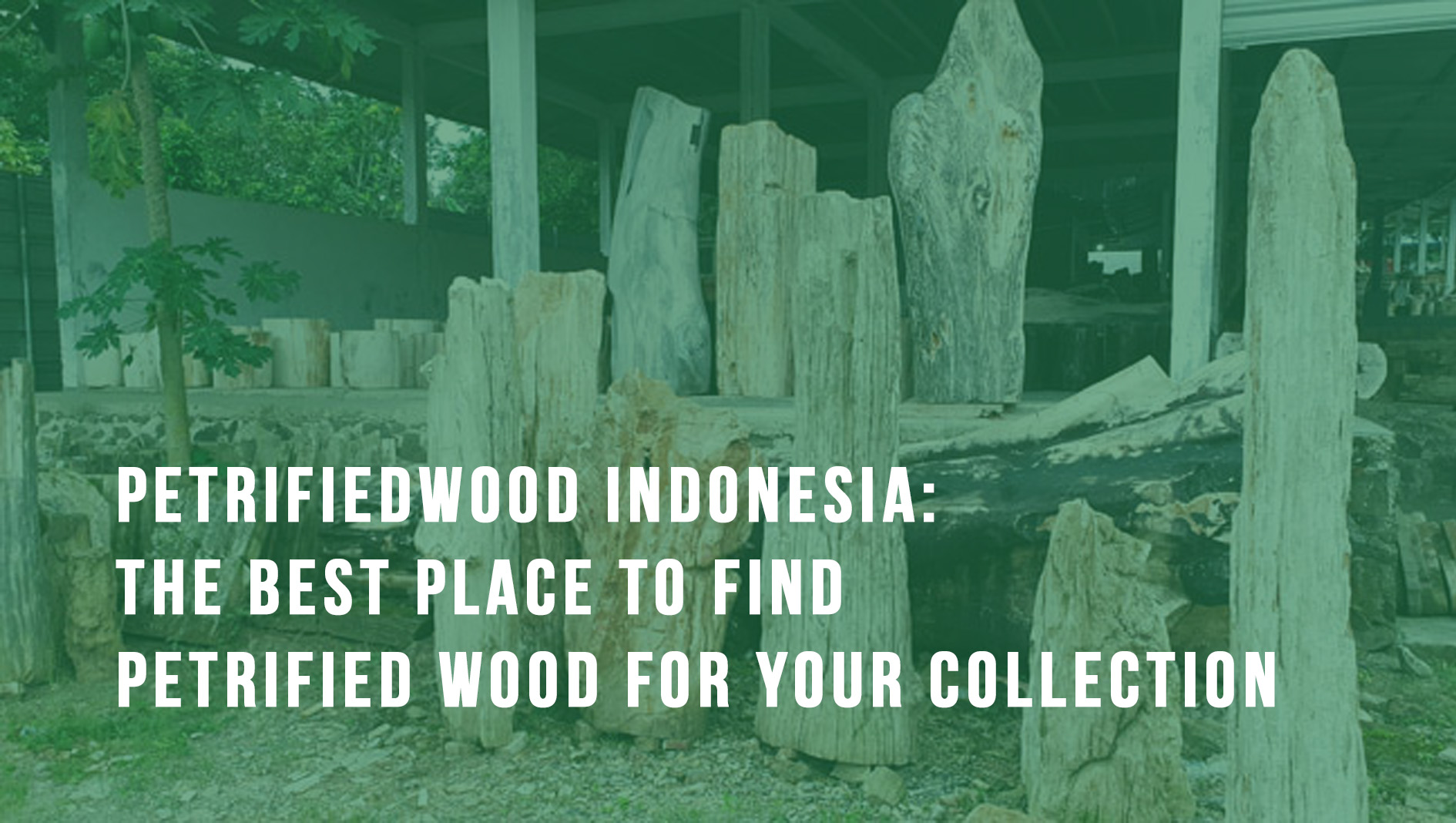
Petrifiedwood Indonesia: The Best Place to Find Petrified Wood for Your Collection
Petrified wood is one of those rare treasures that feels both ancient and personal: a tree frozen in time, its grain preserved in stone. For collectors who love the textures, colors, and stories behind each specimen, Indonesia is an exciting and often under-appreciated place to source beautiful pieces. In this guide I’ll cover where to look in Indonesia, what to watch for when hunting or buying, ethical and legal considerations, basic identification and care, and tips to turn finds into display-quality pieces. If you’re ready to start collecting or want to buy curated specimens, check out www.petrifiedwoodindonesia.com at the end of this article.
Why Indonesia matters for petrified wood hunters
Indonesia hosts significant deposits of petrified wood, mainly from volcanic and sedimentary processes that occurred millions of years ago. Large occurrences have been recorded in parts of West Java (including Banten and areas near Mount Halimun–Salak), and scattered deposits appear across other islands as well. These Indonesian specimens often show vivid colors and preserved wood textures because of silica-rich volcanic activity in the region’s deep past. FossilForests.org+1
Best regions in Indonesia to look (and why)
1. West Java — Banten & Mount Halimun–Salak area
West Java is frequently cited as the primary source of Indonesian petrified wood on the market. The combination of Miocene to younger volcanic events and sedimentary burial created conditions favorable for permineralization, preserving wood structure and producing colorful specimens. Local collectors and small traders often source material from this region. Jakarta Expats Travel+1
2. Other Javanese and nearby deposits
While West Java gets much of the attention, smaller finds and commercial material have been reported from other pockets in Java and nearby islands. Local knowledge is important here — farmers and quarry workers sometimes come across fossil wood when digging or clearing fields. FossilForests.org
3. Look beyond Indonesia — useful comparison sites
If you want to compare textures and colors, study famous sites like Petrified Forest National Park (Arizona) and Escalante (Utah). These areas show how different depositional environments and mineral sources affect color and preservation — knowledge you can apply when evaluating Indonesian pieces. Wikipedia+1
How to find petrified wood in the field — practical tips
- Target the right terrain. Petrified wood shows up in eroded badlands, river cuts, quarry faces, and abandoned sand/gravel pits where softer surrounding rock has been removed. In tropical Indonesia, look at riverbanks and road or construction cuttings where sedimentary layers are exposed.
- Look for the telltale look. Petrified wood often has a smooth, stone-like surface with visible concentric rings or grain patterns. Colors vary (reds, yellows, browns, blacks, sometimes blues or greens) depending on trace minerals. If it’s heavy for its size and rings look “stone-like,” you’re on the right track.
- Bring the right tools — and behave responsibly. A small pick, pry bar, gloves, mineral hammer, and safety glasses are useful. But never use explosives or heavy machinery; that’s unsafe and often illegal. Respect property boundaries and local regulations — ask permission before collecting on private land.
- Start small. Beginner collectors often do best by picking up small fragments and learning to identify and clean them. These pieces are easier to transport, polish, and display.
- Network locally. Local rockhounding groups, mineral shops, and even quarry workers can be invaluable sources of information and specimens. They may know exactly which river cuts or old pits yield material — but always confirm legal status before collecting.
Legal and ethical collecting — what you must know
Collecting fossils and petrified wood is regulated in many places. In some countries or protected areas, it’s illegal to remove fossils; in other areas, only limited quantities for personal use are allowed. For example, in U.S. public lands managed by BLM, collectors are allowed limited amounts (with conditions), and commercialization usually requires permits. Indonesia has its own rules and protected zones — and many Indonesian localities are ecologically sensitive or culturally significant. Always check local law, ask landowners, and avoid protected areas. If in doubt, buy from reputable local dealers rather than digging in questionable sites.
Identification: How to tell real petrified wood from look-alikes
- Weight & hardness: Petrified wood is often much heavier and harder than fresh wood. It feels like stone (silicified) and resists scratching in a way organic wood does not.
- Grain & rings: True petrified wood preserves cellular structure and rings. Under magnification you’ll often see mineralized cell structures.
- Conchoidal fractures & color banding: Many silicified woods show fracture patterns and mineral banding that indicate quartz/chalcedony replacement.
- Test with caution: Acid tests or aggressive tests are not recommended for valuable specimens. Instead, rely on visual inspection, heft, and, when in doubt, ask an experienced collector or lab for verification.
Care, cleaning, and simple polishing
- Cleaning: Use a soft brush and water to remove dirt. Avoid harsh chemicals that could alter mineral color. For stubborn stains, light mechanical cleaning (dental picks, gentle brushing) helps.
- Stabilizing: Porous specimens can be strengthened with appropriate consolidants available from lapidary suppliers.
- Polishing: Achieving a nice polish requires progressive wet-sanding and then grit polishing on a lapidary wheel. If you don’t have equipment, local lapidary shops can cut and polish pieces for a fee. For display only, a bead of clear lacquer can give a glossy finish (temporary and not archival). Mindat
How to buy Indonesian petrified wood — tips to avoid pitfalls
- Buy from reputable dealers. Look for sellers who disclose provenance (where the specimen came from), treatment (cut, stabilized, dyed), and approximate age. Reputable dealers will welcome questions.
- Inspect photos carefully. Ask for high-resolution photos of both faces and any fracture surfaces. Check for unnatural color saturations (dyed pieces exist).
- Trade fairly. If you buy to resell, make sure the seller has legal right to sell/export the specimens. Ask for any export documentation where relevant.
- Comparison & research. Learn how Indonesian pieces typically look (grain, typical colors) so you can spot fakes or treated material. Comparing specimens from multiple sources is very helpful.
Collecting ethically: the golden rules
- Do not collect in protected parks or reserves.
- Ask permission from landowners.
- Don’t use heavy machinery or explosives.
- Take home only what you can legally and transparently sell or keep.
- Support local communities by buying through local, licensed dealers when possible.
Quick field checklist (printable)
- Lightweight pick & pry bar
- Gloves & safety glasses
- Sturdy boots
- GPS or phone with mapping app
- Camera for provenance photos
- Bag or padded box for transport
- Contact info of local dealer or rockhounding group
Final thoughts
Indonesia is a rich and fascinating source of petrified wood with unique colors and textures driven by the archipelago’s volcanic past. Whether you’re a field hunter or a buyer, knowledge — and respect for laws and local communities — are your best companions. Study sample photos from reputable sources to familiarize yourself with local looks, prioritize ethical purchases, and work with local lapidaries when you want a polished, display-ready specimen.
If you’d like to buy curated, responsibly sourced Indonesian petrified wood (from small decorative pieces to tabletop stumps), visit www.petrifiedwoodindonesia.com — they offer verified pieces and clear provenance, perfect for starting or expanding a collection.


