Preserving Ancient Beauty: Your Essential Guide to Safely Cleaning and Caring for Petrified Wood Furniture
Halo, teman-teman pecinta keindahan alam! Ever wondered how to keep that stunning petrified wood furniture in your home looking absolutely magnificent? You know, the one that tells a story millions of years old, right there in your living room or garden? Petrified wood pieces, whether they’re a coffee table, a console, or even decorative accents, are truly special. They’re not just furniture; they’re geological marvels transformed into functional art.
But precisely because they’re so unique, many of us might feel a little hesitant about how to clean and care for them properly. You might be thinking, “Wah, I don’t want to accidentally damage something so precious!” Don’t worry, you’re in the right place! In this guide, we’ll walk you through everything you need to know to safely clean and care for your petrified wood furniture, ensuring its ancient beauty shines brightly for generations to come. It’s simpler than you might think, and with a little love and the right approach, your petrified wood will continue to be the talk of the town.
Understanding Petrified Wood: What Makes It Special?
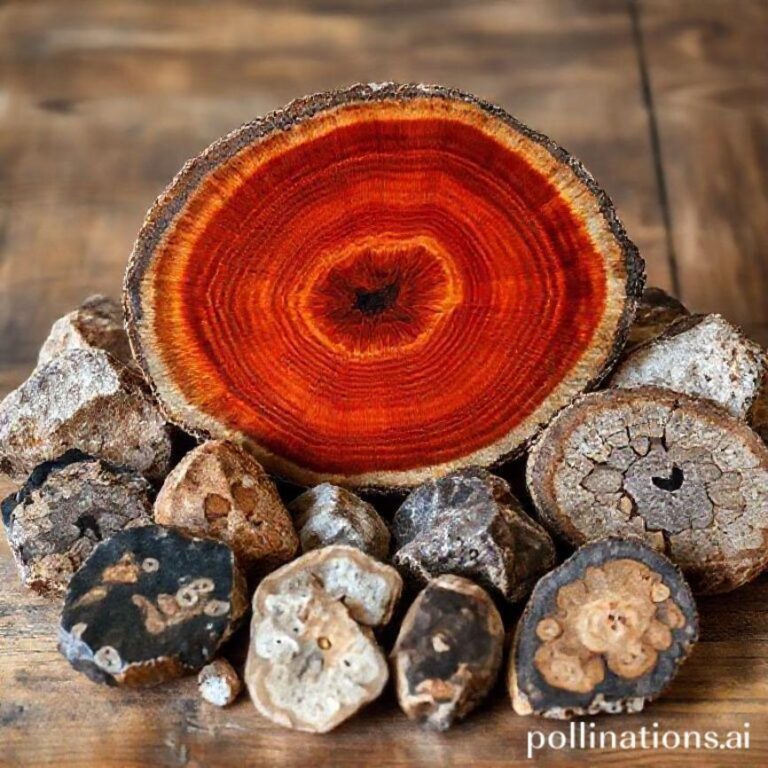
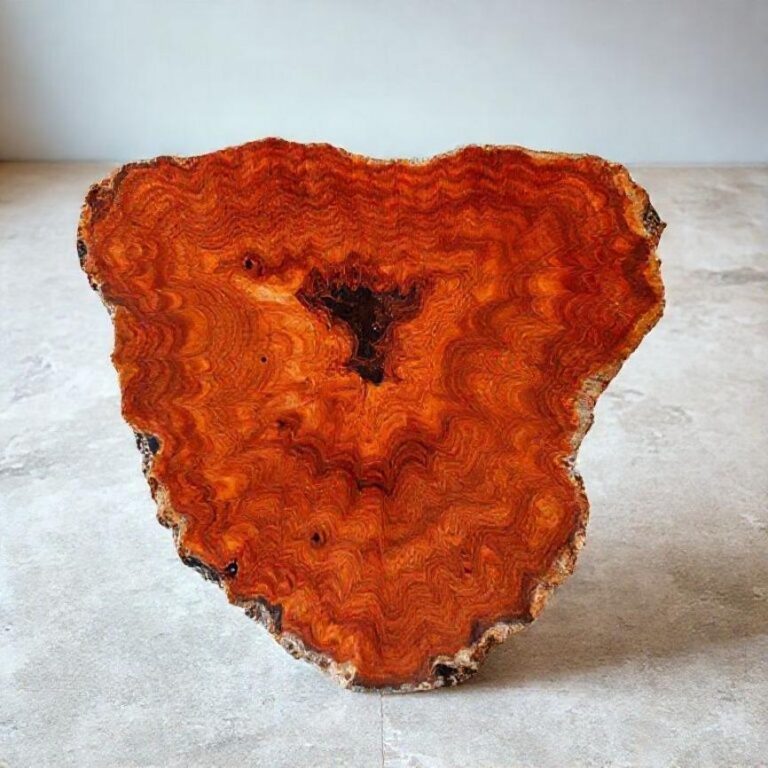
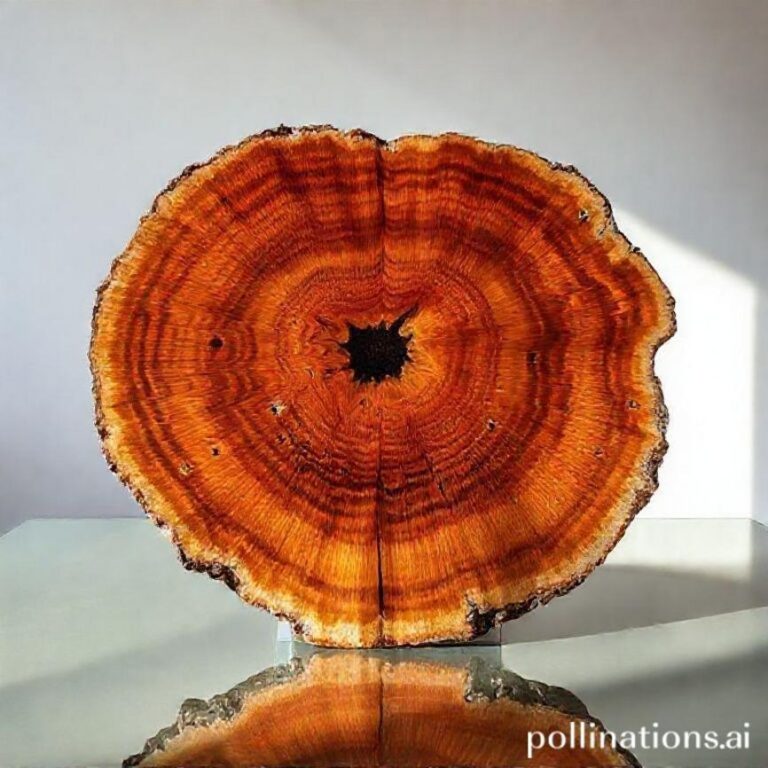
Before we dive into cleaning, let’s briefly touch upon what petrified wood actually is. Imagine a tree falling into a mineral-rich body of water or volcanic ash millions of years ago. Over time, organic materials of the wood are replaced by minerals like silica, quartz, or opal, while retaining the original structure of the wood. This slow, natural process results in stone that looks exactly like wood, complete with growth rings and bark patterns, but with the hardness and durability of stone. The stunning colors come from different minerals present during petrification – iron for reds and browns, manganese for pinks and oranges, carbon for black, and copper for blues and greens.
Because it’s essentially stone, petrified wood is incredibly durable. However, like any natural stone, it can be susceptible to scratches, acidic substances, and chips if not handled with care. Understanding its composition helps us appreciate why a gentle, mindful approach is key to its longevity.
The Golden Rules of Petrified Wood Care
Think of these as your basic commandments for happy petrified wood furniture. They apply to almost all types of natural stone furniture, really!
- Be Gentle: Always use soft cloths and non-abrasive cleaners. No harsh chemicals, scrubbing pads, or steel wool, please!
- Act Fast: Spills happen. The quicker you wipe them up, the less chance they have to penetrate or stain.
- Test First: If you’re unsure about a cleaning product, always test it on an inconspicuous area first.
- Less is More: Often, simple dusting and a damp cloth are all that’s needed.
- Protect Surfaces: Use coasters under drinks and placemats under hot dishes to prevent rings and heat damage.
Daily Dusting & Gentle Cleaning: Keeping It Pristine
For everyday maintenance, keeping your petrified wood free from dust and grime is super important. Dust isn’t just unsightly; it can also be abrasive over time, especially if it’s gritty.
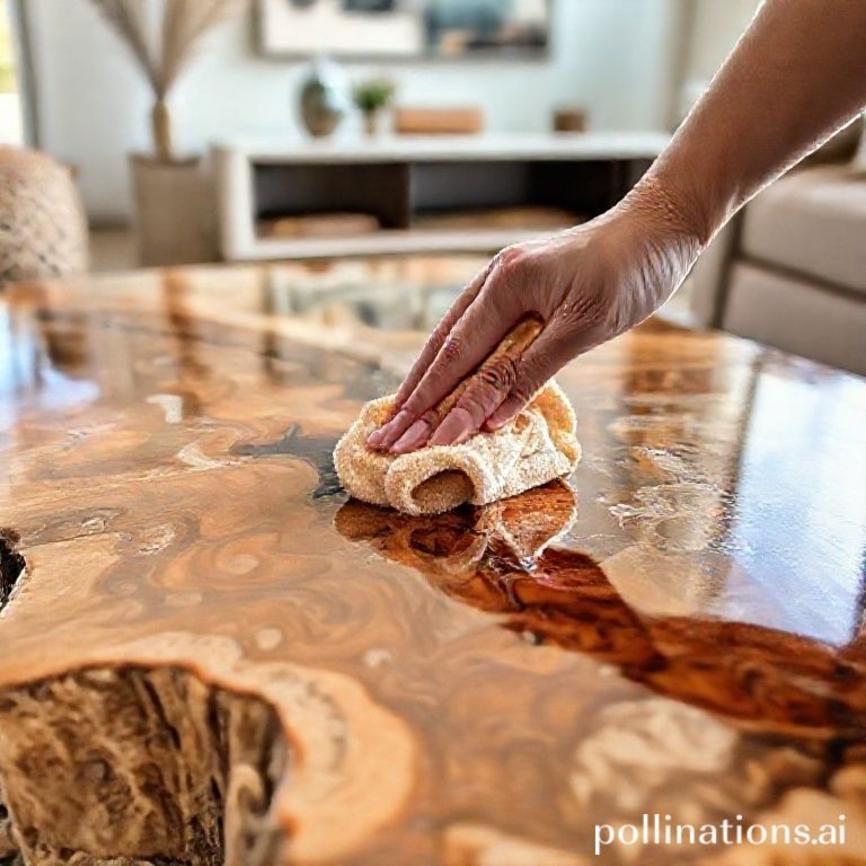
- Dusting: Use a soft, lint-free cloth, like a microfiber towel, to gently wipe down the surface regularly. For intricate crevices, a soft-bristled brush or even a can of compressed air can be helpful.
- Light Cleaning: If there are smudges or light dirt, dampen a soft cloth with plain water (distilled water is even better if your tap water is hard) and gently wipe the surface. After wiping, immediately dry the area with another clean, dry soft cloth to prevent water spots. This step is crucial, especially on polished surfaces.
Remember what our Sundanese ancestors might say, “Nu matak hérang téh lain cai wungkul, tapi ogé kanyaah.” (What makes things shine is not just water, but also love/care.) A little bit of consistent care goes a long way!
Tackling Spills and Stains: Act Fast, Clean Smart
Spills are inevitable, especially if your petrified wood piece is a functional table. Don’t panic, just act quickly!
- Liquid Spills (Water, Juice, Coffee): Immediately blot the spill with a clean, dry cloth or paper towel. Do NOT wipe, as this can spread the liquid. Once blotted, gently clean the area with a damp cloth and mild, pH-neutral soap (like a gentle dish soap diluted with water). Rinse with a clean damp cloth, and then dry thoroughly.
- Oily Spills (Food, Salad Dressing): For oil-based stains, you might need a slightly stronger approach. After blotting excess oil, create a paste with baking soda and a few drops of water. Apply the paste to the stain, cover it with plastic wrap, and let it sit for several hours or overnight. The baking soda will absorb the oil. Afterward, gently scrape off the dried paste, clean with mild soap and water, and dry. You might need to repeat this process for stubborn stains.
- Colored Stains (Wine, Ink): These can be tricky. Try the mild soap and water method first. If that doesn’t work, a poultice made from hydrogen peroxide (for lighter stones) or mineral spirits (for darker stones) mixed with an absorbent material like flour or cotton balls can be applied. Let it sit, then rinse and dry. Always test these solutions in an inconspicuous area first!
Deep Cleaning for a Lasting Shine
Every now and then, perhaps once or twice a year, your petrified wood might benefit from a more thorough cleaning.
- Prepare Your Surface: First, dust the entire piece thoroughly.
- Gentle Wash: Prepare a solution of warm water and a small amount of pH-neutral stone cleaner or a very diluted gentle dish soap. Dampen a soft cloth (not soaking wet!) and wipe down the entire surface, working in small sections.
- Rinse and Dry: With a separate clean cloth dampened with plain water, wipe off any soap residue. Immediately follow up with a dry, clean microfiber cloth to thoroughly dry the surface. Streaks are usually caused by residual water or cleaner, so thorough drying is key to a beautiful, streak-free shine.
Polishing and Sealing: Protecting Your Investment
Some petrified wood pieces, especially those with a high polish, can benefit from occasional sealing. A sealant acts as a protective barrier against stains and moisture. However, not all petrified wood needs sealing, especially if it’s very dense and non-porous. If your piece is highly polished and you notice it absorbing liquids easily, consider sealing it.
- Consult a Professional: It’s always best to consult with the manufacturer or a professional stone specialist regarding sealing. They can advise on the best type of sealant for your specific piece and its porosity.
- Applying Sealant: If recommended, follow the product instructions carefully. Typically, a sealant is applied sparingly with a clean cloth, allowed to penetrate for a short period, and then buffed off. Ensure good ventilation.
- Polishing: For a natural sheen, after cleaning and drying, you can use a dry microfiber cloth to buff the surface. For a more intense shine on polished pieces, a stone polish designed for natural stone can be used occasionally, again, following product instructions and testing first.
What to AVOID: Common Mistakes in Petrified Wood Care
To keep your petrified wood happy and healthy, here’s a list of no-nos:
- Acidic Cleaners: Vinegar, lemon juice, or harsh bathroom cleaners can etch the stone surface, leaving dull spots.
- Abrasive Tools: Scouring pads, steel wool, or abrasive brushes will scratch the surface.
- Waxes and Furniture Polishes (for wood): These are not designed for stone and can leave a sticky residue or build-up that dulls the natural luster.
- Leaving Water Stagnant: Even though it’s stone, prolonged exposure to standing water can lead to mineral deposits or etching, especially if your water is hard.
- Heavy Impact: While durable, dropping heavy objects or subjecting the piece to significant impact can cause chips or cracks.
Environmental Considerations: Temperature, Humidity, and Sunlight
Petrified wood is tough, but extreme conditions can still affect it. Try to place your furniture in an area with stable temperature and humidity. Rapid changes can sometimes cause minor stress on the stone, though this is rare. Direct, prolonged sunlight can also sometimes cause colors to fade over extremely long periods, just like any natural material, so consider placing it in a spot where it gets indirect light.
There you have it, teman-teman! Caring for your petrified wood furniture doesn’t have to be a daunting task. With these simple tips and a little bit of regular attention, you can ensure that your stunning piece, a true testament to nature’s artistry and ancient history, remains a focal point of beauty in your home for years and years to come.
Every piece of petrified wood tells a unique story, from its geological formation to its journey into your home. By taking good care of it, you’re not just maintaining furniture; you’re preserving a piece of the earth’s incredible past. Just like these furniture pieces are crafted from natural wonders, we believe in celebrating nature’s artistry in every product. If you’re inspired by the unique beauty of petrified wood and appreciate custom-made items, why not explore creating something equally special? Discover the artistry of custom craftsmanship and create your own unique shoes inspired by natural beauty at petrifiedwoodindonesia.com today!
TAGS: petrified wood, furniture care, cleaning guide, natural stone, home decor, ancient wood, maintenance tips, Indonesian style, sustainable living, stone furniture