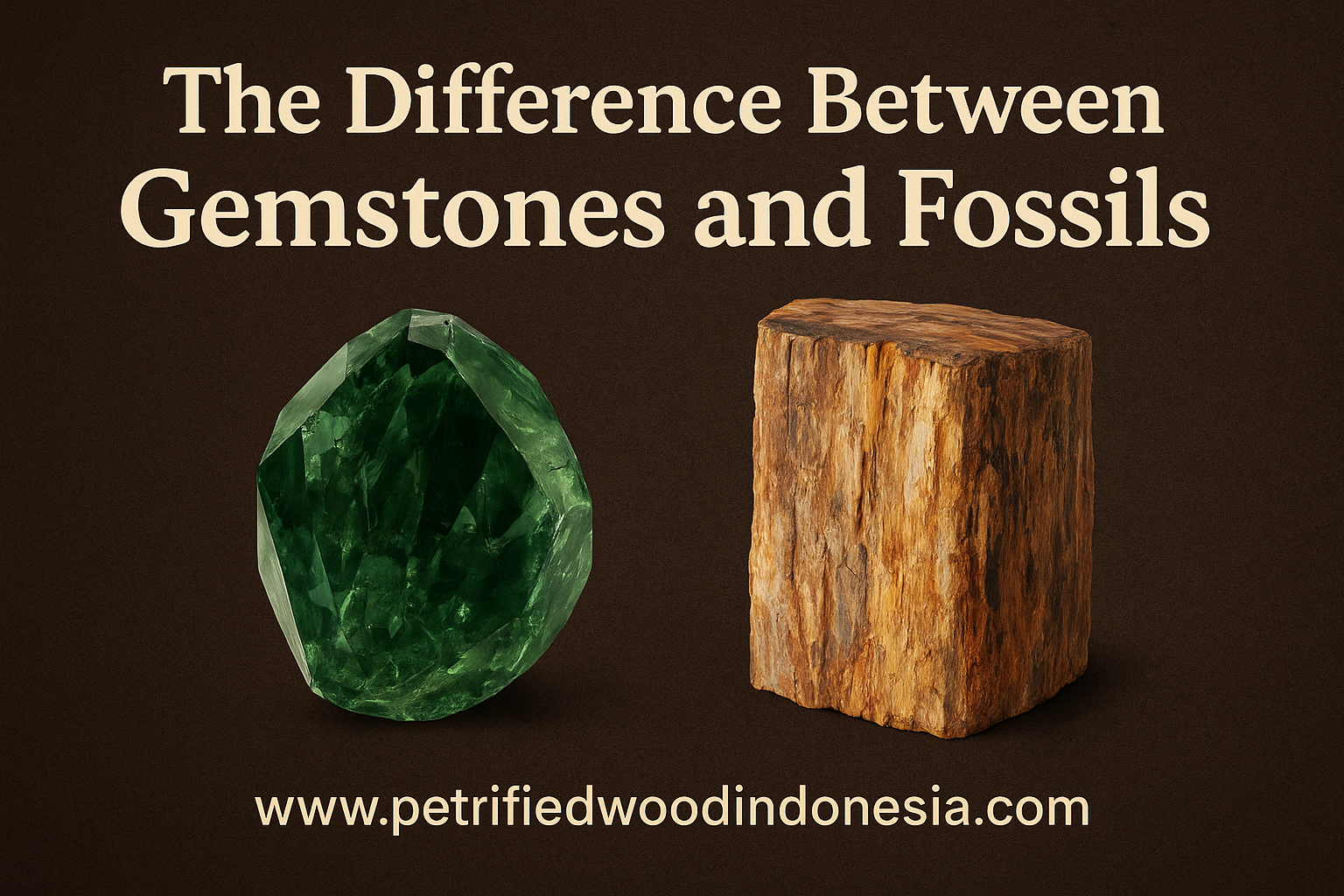
The Difference Between Gemstones and Fossils
When exploring the natural treasures of the earth, two terms often spark curiosity: gemstones and fossils. Although they may seem similar at first glance, both materials tell very different stories about the history of our planet. In this article, we will break down the differences, with a special focus on one of the most fascinating fossils in the world—petrified wood Indonesia.
What Are Gemstones?
Gemstones are naturally occurring minerals, crystals, or rocks that are valued for their beauty, rarity, and durability. Precious stones like diamonds, emeralds, and rubies fall into this category. They are formed deep within the earth under extreme pressure and heat, resulting in stunning colors and clarity. Gemstones are often cut and polished to be used in jewelry, ornaments, and even in certain industries.
What Are Fossils?
Fossils, on the other hand, are the preserved remains or impressions of ancient plants and animals. Unlike gemstones, fossils are not valued primarily for brilliance or sparkle, but for their scientific and historical significance. They provide a window into the past, allowing us to study life forms that existed millions of years ago.
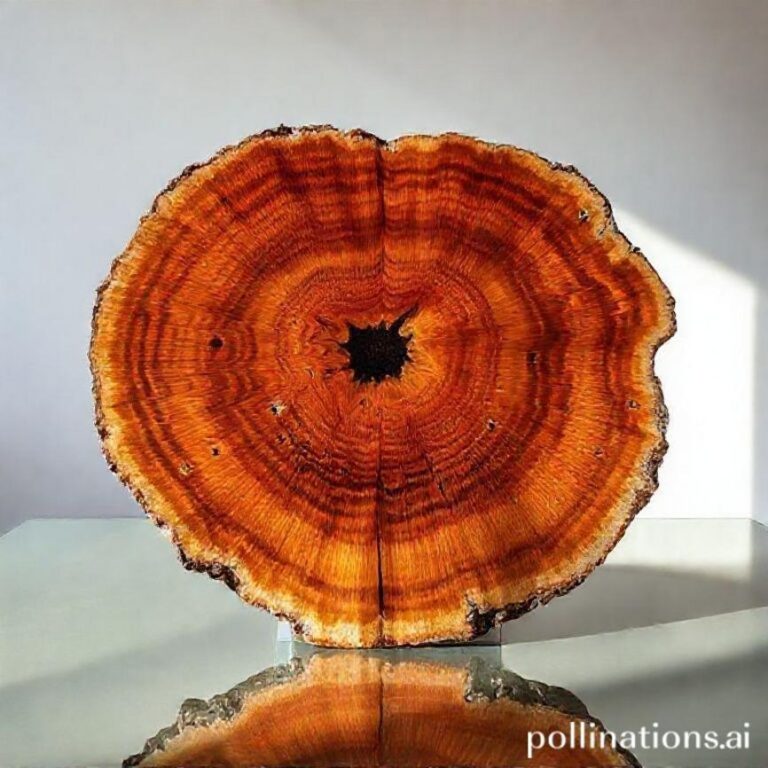
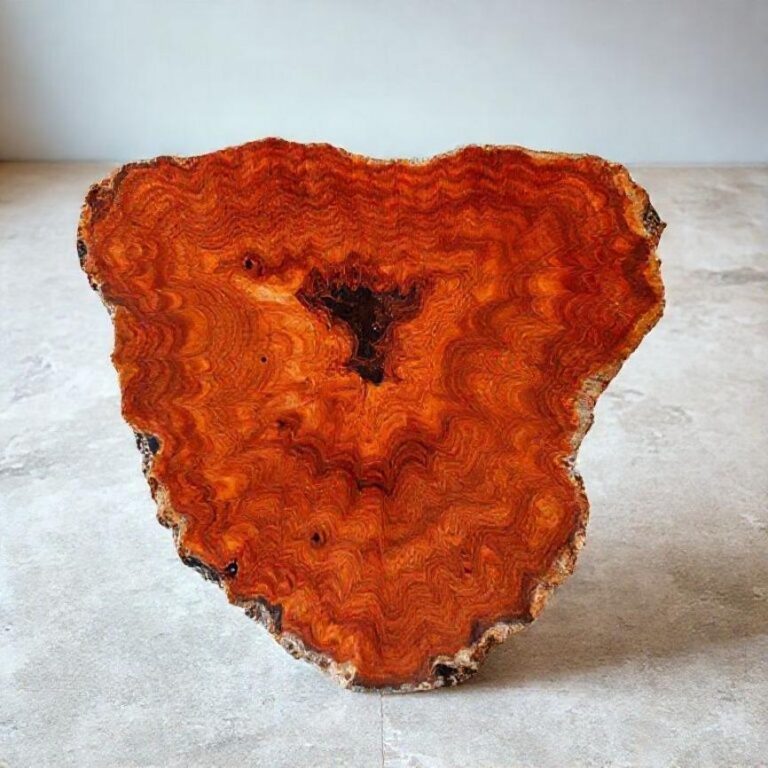
One of the most unique types of fossils is petrified wood. This natural wonder forms when wood is buried under sediment and mineral-rich water flows through it. Over time, minerals such as silica replace the organic material, turning the wood into stone while preserving its original structure.
Petrified Wood Indonesia: A Global Treasure
Indonesia is home to some of the most remarkable petrified wood deposits in the world. The country’s unique geological conditions have produced petrified wood with stunning patterns, textures, and colors. Unlike gemstones, which are valued for their rarity and shine, petrified wood Indonesia is admired for its natural beauty and the story it tells about ancient forests that thrived millions of years ago.
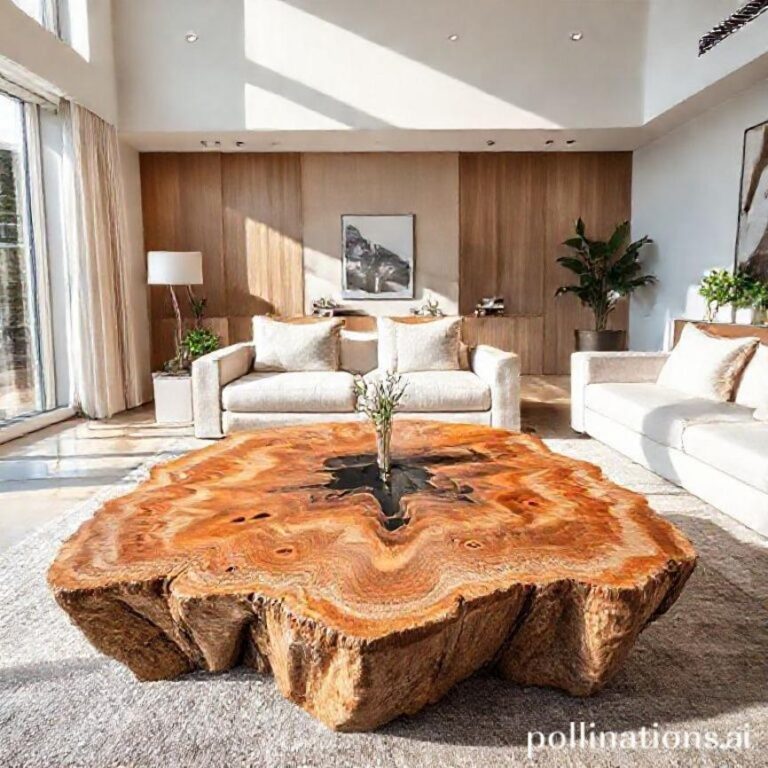
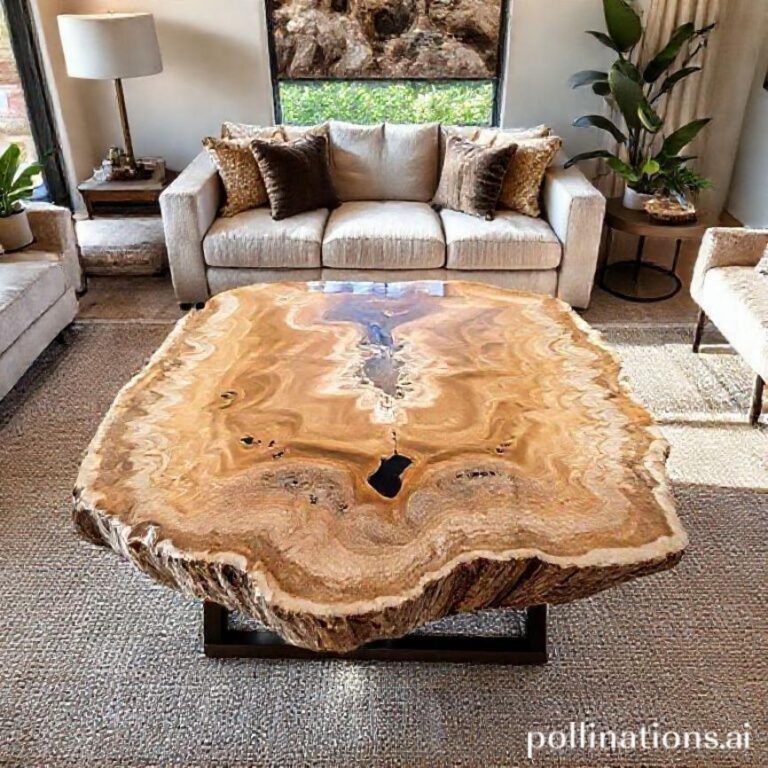
Collectors, interior designers, and nature enthusiasts from around the globe seek out petrified wood from Indonesia for its aesthetic appeal and durability. From decorative pieces to luxury furniture, this material has become a symbol of timeless elegance.
Key Differences Between Gemstones and Fossils
- Formation Process: Gemstones are created from minerals under extreme geological conditions, while fossils are the preserved remains of once-living organisms.
- Value: Gemstones are valued for brilliance and rarity, while fossils like petrified wood are treasured for their history and unique natural patterns.
- Purpose: Gemstones are commonly used in jewelry, whereas fossils are prized in scientific research, interior design, and collectible art.
Conclusion
Both gemstones and fossils highlight the beauty and complexity of nature, but they serve different roles in human culture and science. If gemstones represent brilliance and rarity, fossils—especially petrified wood Indonesia—represent history and timeless natural artistry.
For more information about authentic petrified wood, visit www.petrifiedwoodindonesia.com and explore the fascinating world of Indonesia’s natural heritage.