The Ultimate Guide to Indonesia Petrified Wood: History, Quality, and Sourcing
The Ultimate Guide to Indonesia Petrified Wood: History, Quality, and Sourcing
Halo, teman-teman! Ever wondered about those stunning pieces of stone that look exactly like wood, but feel incredibly solid and heavy? You’ve likely encountered petrified wood, a true marvel of nature’s artistry. And when it comes to the world’s finest and most abundant petrified wood, Indonesia stands out as a colossal treasure chest. From ancient forests transformed over millions of years to breathtaking contemporary designs, Indonesian petrified wood holds stories, beauty, and immense value.
In this ultimate guide, we’re going to dive deep into the fascinating world of Indonesian petrified wood. We’ll explore its incredible history, unravel the secrets behind its quality, and understand how these geological wonders are responsibly sourced. So, grab a cup of kopi and let’s embark on this journey back in time!
What Exactly is Petrified Wood? A Glimpse into Deep Time
Before we talk about Indonesia specifically, let’s understand what petrified wood actually is. Imagine a forest from millions of years ago – giant trees standing tall, perhaps near a volcanic eruption or a massive flood. When these trees fall and get quickly buried under layers of sediment, ash, or mud, they are cut off from oxygen, preventing them from decaying in the usual way.
Over an unimaginably long period, groundwater rich in dissolved minerals (like silica, calcite, or pyrite) seeps into the buried wood. As the water flows through the wood’s cellular structure, these minerals slowly replace the organic material, atom by atom, cell by cell. This incredibly slow process, called permineralization or petrification, preserves the wood’s original structure – sometimes down to the microscopic level! What’s left is a perfect, stone replica of the ancient tree, often retaining the exact bark texture, growth rings, and even wormholes. It’s truly a fossil, a window into a prehistoric landscape.
Indonesia: A Treasure Trove of Ancient Forests
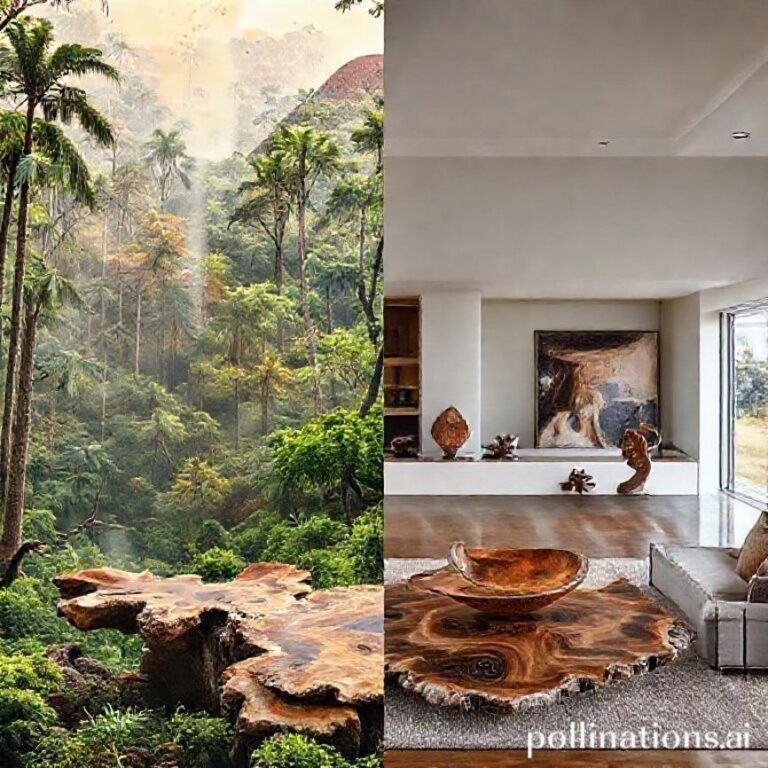
So, why is Indonesia such a hotspot for petrified wood? The answer lies in its unique geological history. Situated on the “Ring of Fire,” Indonesia has a long and active volcanic past. Volcanic eruptions, ash falls, and subsequent rapid burial of forests created the perfect conditions for petrification.
Millions of years ago, particularly during the Miocene and Pliocene epochs, vast tropical forests covered much of what is now Indonesia. These forests, composed of trees like Dipterocarpus, were repeatedly engulfed by volcanic activity and subsequent sediment deposits. The silica-rich volcanic ash and hydrothermal fluids played a crucial role in the preservation process, yielding some of the most vibrant and well-preserved petrified wood on Earth.
Key regions in Indonesia renowned for their petrified wood deposits include Banten and parts of West Java. These areas have yielded spectacular specimens, from massive tree trunks weighing tons to smaller, intricate pieces. There’s a local saying that perfectly captures the essence of these ancient treasures:
“Lila ngagoler di jero taneuh, ayeuna ngahiji jeung urang.”
(Long dormant beneath the earth, now united with us.)
This quote, in the Sundanese language, beautifully reflects the profound journey of petrified wood – from deep within the earth’s embrace to becoming a cherished part of our lives today.
Decoding Quality: What Makes Indonesian Petrified Wood Stand Out?
Not all petrified wood is created equal. When assessing the quality of Indonesian petrified wood, several factors come into play:
Color and Pattern:
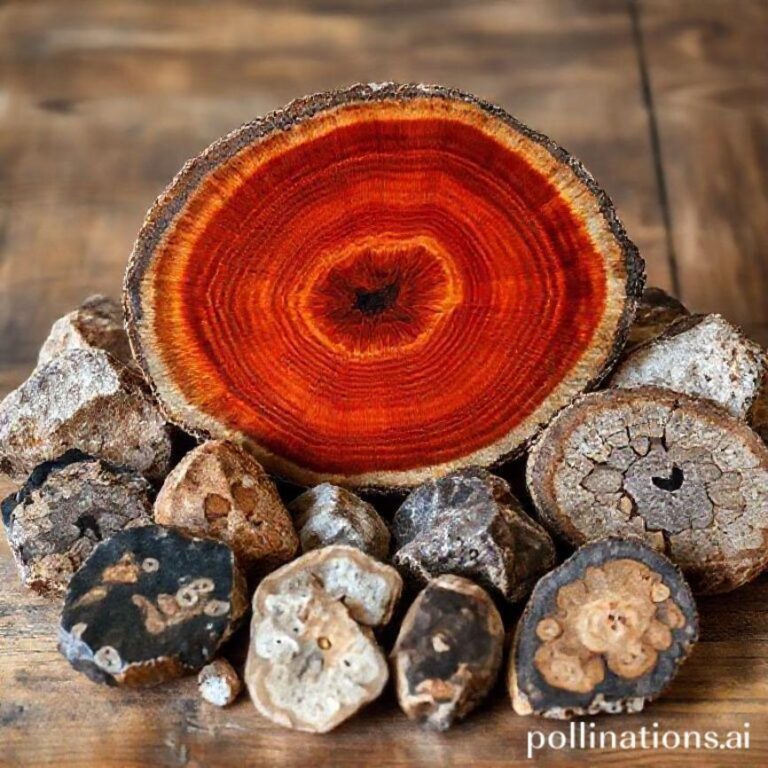
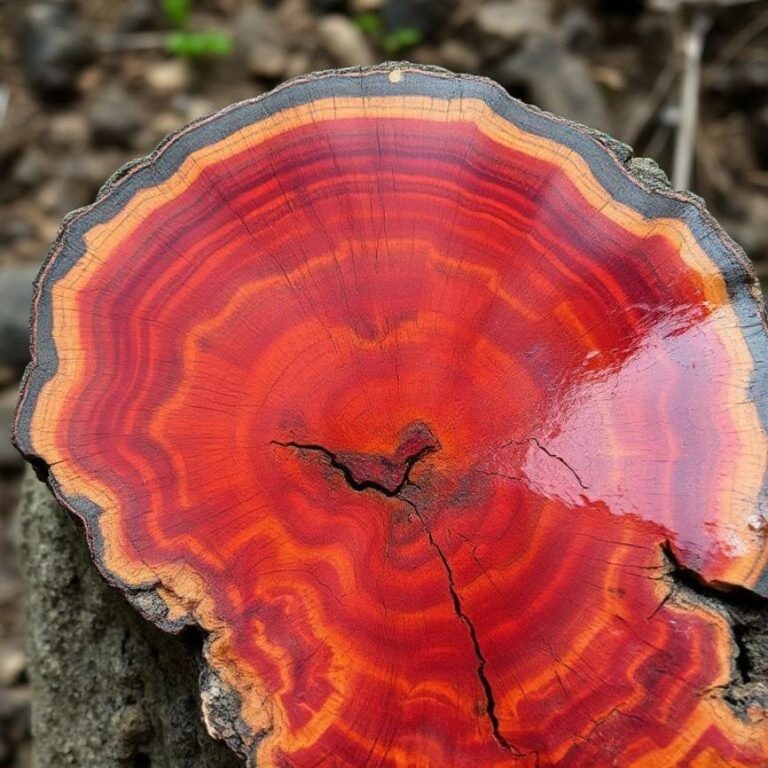
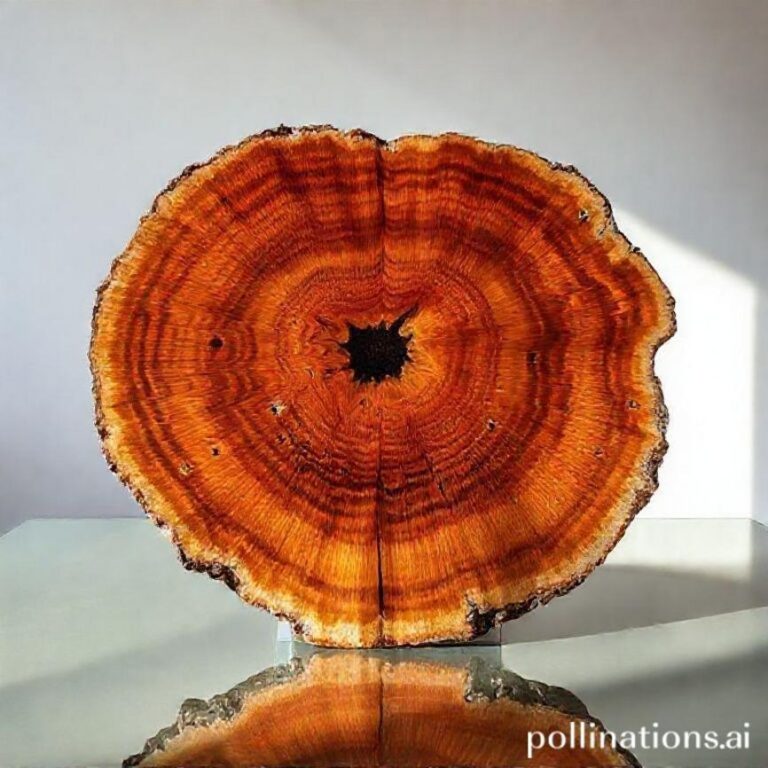
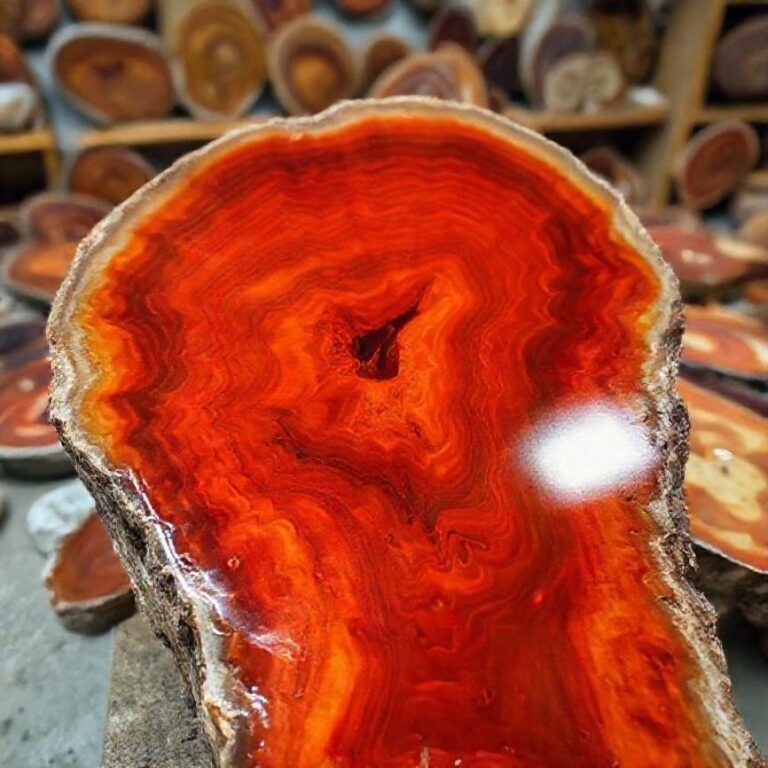
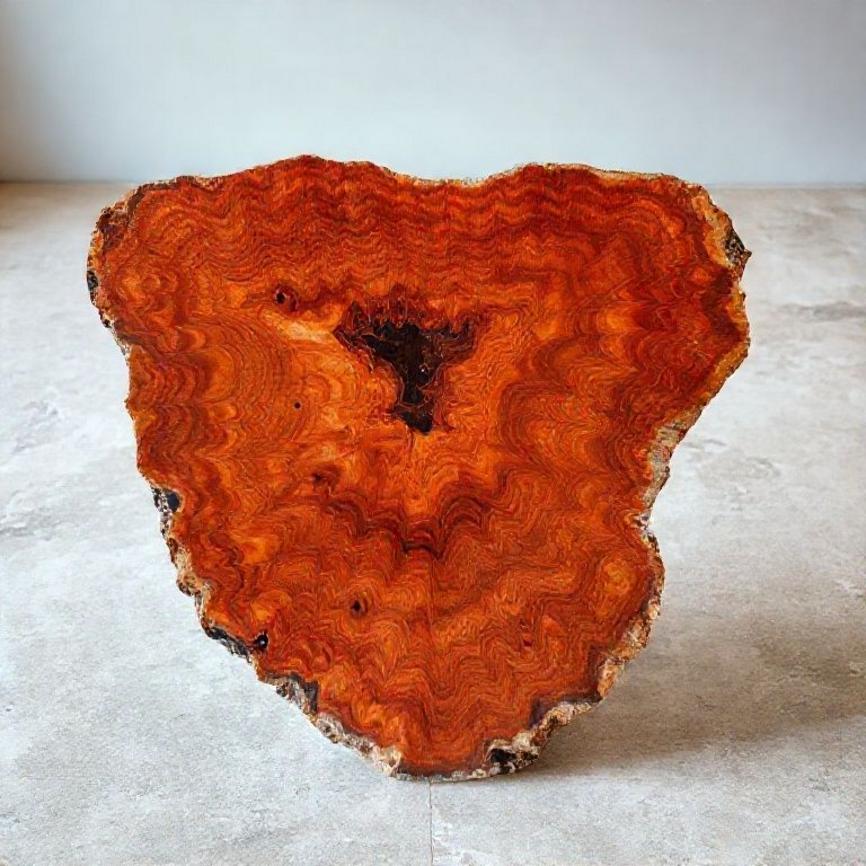
The mineral impurities present during petrification determine the incredible array of colors. Iron oxides can create reds, browns, and yellows; carbon makes it black; manganese can yield pinks or oranges; and copper results in blues or greens. High-quality pieces often exhibit rich, vibrant colors and striking, intricate patterns like swirling rings, natural fractures, or even agate-like banding.
Integrity and Stability:
A superior piece will be solid and free from significant cracks or large voids. While some natural fractures are part of its charm, excessive instability can impact durability and aesthetics. Look for pieces that have been properly dried and stabilized if necessary.
Preservation of Wood Structure:
The level of detail in the preserved wood grain, growth rings, and even bark is a major indicator of quality. The clearer and more distinct the original wood features, the higher its value.
Hardness and Density:
Petrified wood is essentially quartz, meaning it’s very hard (around 6.5-7 on the Mohs scale). Denser, more completely silicified pieces are generally preferred for their durability and superior polish.
Finish:
Whether polished to a high sheen or left with a natural matte finish, the quality of the finish matters. A good polish brings out the stone’s inner beauty and colors, while a well-executed natural finish highlights its organic texture without looking rough or unfinished.
From Earth to Art: The Journey of Sourcing Indonesian Petrified Wood
Sourcing petrified wood from Indonesia is a complex process that ideally combines geological expertise with ethical practices and community involvement. It’s not just about digging it up; it’s about respecting the land and the people.
Discovery and Extraction:
Many petrified wood deposits are found by local farmers during agricultural work or by specialized prospectors. Once a deposit is identified, extraction can be challenging. Large trunks often require heavy machinery, while smaller pieces might be hand-excavated. Responsible sourcing ensures that extraction methods are environmentally sound and safe for workers.
Local Communities:
Many communities in regions like Banten are deeply involved in the petrified wood industry. From discovering and extracting to cleaning and initial shaping, local villagers play a vital role. Ethical sourcing practices involve fair compensation, safe working conditions, and contributing to the economic well-being of these communities.
Initial Processing:
Once extracted, the raw petrified wood goes through a cleaning process to remove dirt and debris. Skilled artisans then decide how to best reveal its beauty. This might involve cutting large trunks into slabs, shaping them into furniture pieces, or carving smaller fragments into decorative items. The goal is to maximize the natural beauty of the stone while minimizing waste.
Finishing:
The final step involves sanding and polishing. This is where the true colors and patterns of the petrified wood truly come to life. Whether it’s a mirror-like shine or a more subtle matte finish, the expertise in this stage significantly impacts the final product’s appeal.
Responsible sourcing also means adhering to local regulations and ensuring that the removal of these ancient treasures doesn’t harm the environment or deplete resources unsustainably.
Beyond Beauty: The Versatility of Petrified Wood
The allure of Indonesian petrified wood extends far beyond its scientific significance. Its unique beauty and durability make it highly sought after for a wide range of applications:
Furniture:
From stunning dining tables and coffee tables to console tables and stools, large slabs of petrified wood transform into magnificent, one-of-a-kind furniture pieces that become focal points in any room.
Home Decor:
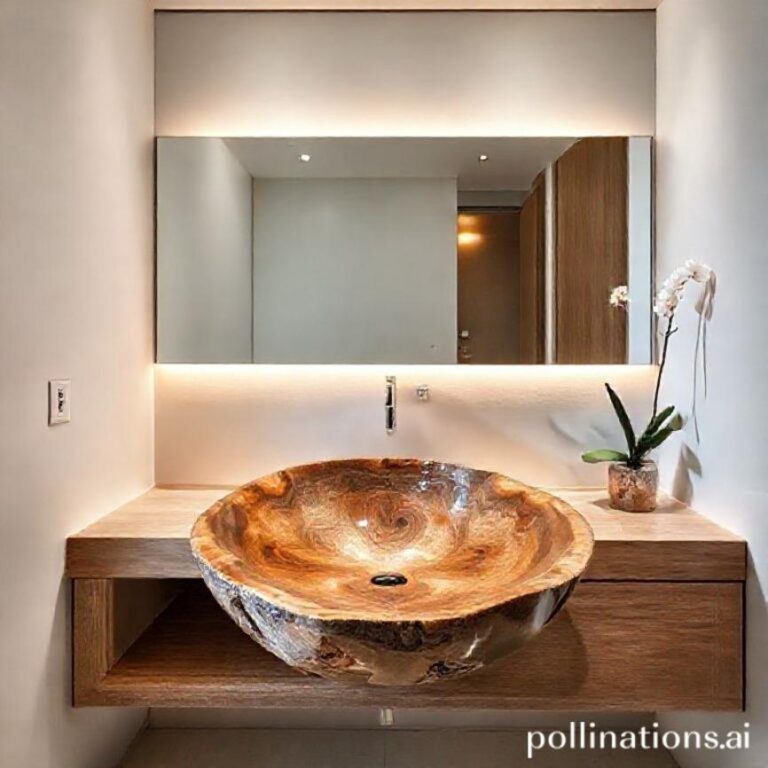
Smaller pieces are crafted into decorative bowls, vases, bookends, or sculptural art. Their earthy tones and natural patterns bring a touch of timeless elegance and organic warmth to interior spaces.
Jewelry:
The most colorful and intricately patterned fragments are often cut and polished into cabochons for rings, pendants, and earrings, allowing you to wear a piece of geological history.
Landscaping and Outdoor Features:
Rough-hewn or partially polished pieces are sometimes used in gardens or as striking outdoor sculptures, adding a prehistoric touch to modern landscapes.
Each piece of petrified wood tells a unique story – a silent testament to Earth’s immense history and the incredible power of natural processes. Owning a piece is like holding a fragment of deep time in your hands.
Conclusion
Indonesian petrified wood is more than just a stone; it’s a bridge to an ancient past, a masterpiece crafted by geological forces over millions of years. Its rich history, unparalleled quality, and the dedication involved in its ethical sourcing make it a truly special material. From the vibrant colors born of mineral infusions to the perfectly preserved wood grain, each piece is a unique artifact, telling a story of prehistoric forests and volcanic landscapes.
Whether you’re a collector, a designer, or simply someone who appreciates natural beauty, exploring the world of Indonesian petrified wood is an inspiring journey. It reminds us of the planet’s enduring power and the incredible beauty hidden beneath our feet.
Ready to wear a piece of history or add an ancient touch to your style? Discover unique and handcrafted items made from this incredible material.
TAGS: Indonesia petrified wood, fossil wood, petrified wood history, petrified wood quality, petrified wood sourcing, petrified wood furniture, geological wonders, sustainable sourcing