Unearthing Ancient Beauty: Your Complete Guide to Indonesian Petrified Wood
Unearthing Ancient Beauty: Your Complete Guide to Indonesian Petrified Wood
Indonesia, an archipelago blessed with incredible natural wonders, offers a treasure trove unlike any other: petrified wood. Imagine a time millions of years ago when towering trees stood tall, soaking in the tropical sun. Now, picture those same trees, not decaying into dust, but slowly, meticulously, transforming into stone, preserving their intricate details for eternity. This isn’t a scene from a fantasy novel; it’s the mesmerizing reality of petrified wood, and Indonesia is arguably its most abundant and beautiful source.
For many, petrified wood is more than just a geological curiosity; it’s a piece of ancient history, a natural artwork, and a testament to nature’s incredible patience and transformative power. If you’ve ever been captivated by its stunning colors, unique patterns, and the sheer weight of its history, you’re in for a treat. This complete guide will take you on a journey to uncover the secrets of Indonesian petrified wood, from its formation to its many uses, and how to appreciate these timeless treasures.
What Exactly is Petrified Wood? The Science Behind the Stone
At its heart, petrified wood is a fossil. But it’s not just an impression or a mold; it’s the actual organic material of the tree that has been entirely replaced by minerals, turning it into stone while retaining its original structure. This incredible process, known as permineralization or petrifaction, typically begins when a tree is buried under sediment, such as volcanic ash or mud, shortly after it dies. This burial protects the wood from decay by cutting off oxygen.
Over millions of years, mineral-rich groundwater seeps through the sediment and into the buried wood. As the water flows, it deposits minerals like silica (often from volcanic ash), calcite, pyrite, or opals within the cellular structure of the wood. Gradually, these minerals crystallize, replacing the organic matter cell by cell, without disturbing the original microscopic structure of the wood. The result? A perfect, stony replica of the ancient tree, complete with growth rings, bark texture, and even cellular details visible under a microscope. It’s a breathtaking fusion of flora and mineral, a truly unique natural phenomenon.
Indonesia: A Haven for Ancient Forests
Why is Indonesia particularly rich in petrified wood? The answer lies in its tumultuous geological past and unique geographical position. Indonesia sits on the “Ring of Fire,” a region known for intense volcanic activity. Millions of years ago, vast tropical forests covered parts of the archipelago. Frequent volcanic eruptions would bury these forests under layers of ash and mud, creating the perfect anaerobic (oxygen-free) conditions necessary for petrification.
The volcanic ash was also rich in silica, the primary mineral needed for the replacement process. The combination of abundant ancient forests, rapid burial by silica-rich volcanic debris, and the subsequent flow of mineral-laden groundwater created ideal conditions for widespread petrification. Major areas like Banten in West Java, parts of Sumatra, and Kalimantan are renowned for their significant deposits, yielding some of the most spectacular petrified wood found anywhere in the world.
The Kaleidoscope of Indonesian Petrified Wood: Colors and Patterns
One of the most captivating aspects of Indonesian petrified wood is its incredible diversity of colors and patterns. Each piece tells a story not only of the ancient tree but also of the mineral-rich environment it was fossilized in. The different hues are a direct result of trace minerals present in the groundwater during the petrification process:
- Iron oxides: Often result in vibrant reds, oranges, yellows, and browns.
- Manganese: Can produce striking blacks, blues, and purples.
- Copper: Contributes to greens and blues.
- Carbon: Leads to black or dark grey colors.
- Pure Silica: If the wood is replaced primarily by pure silica, it can remain white or translucent.
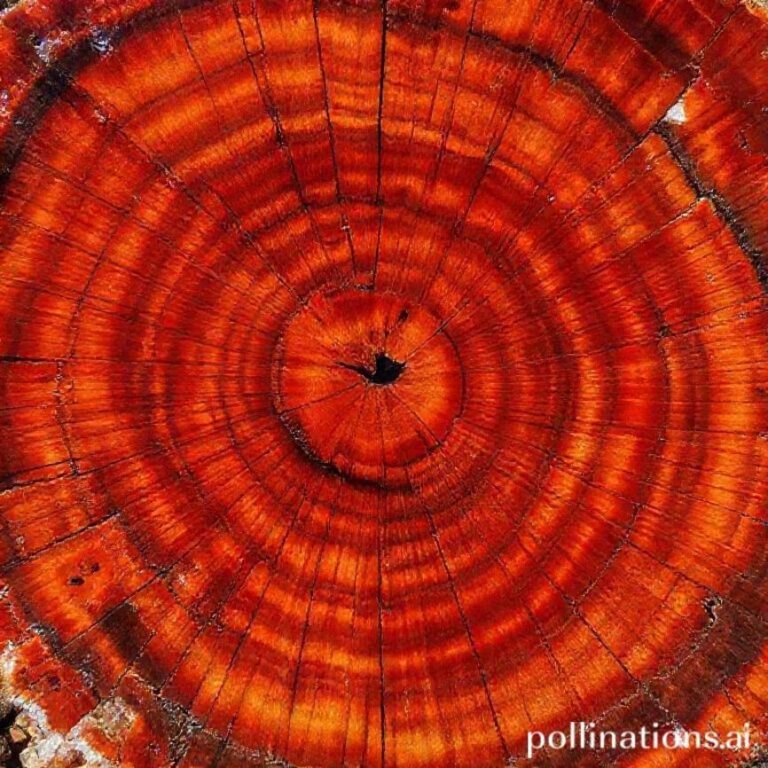
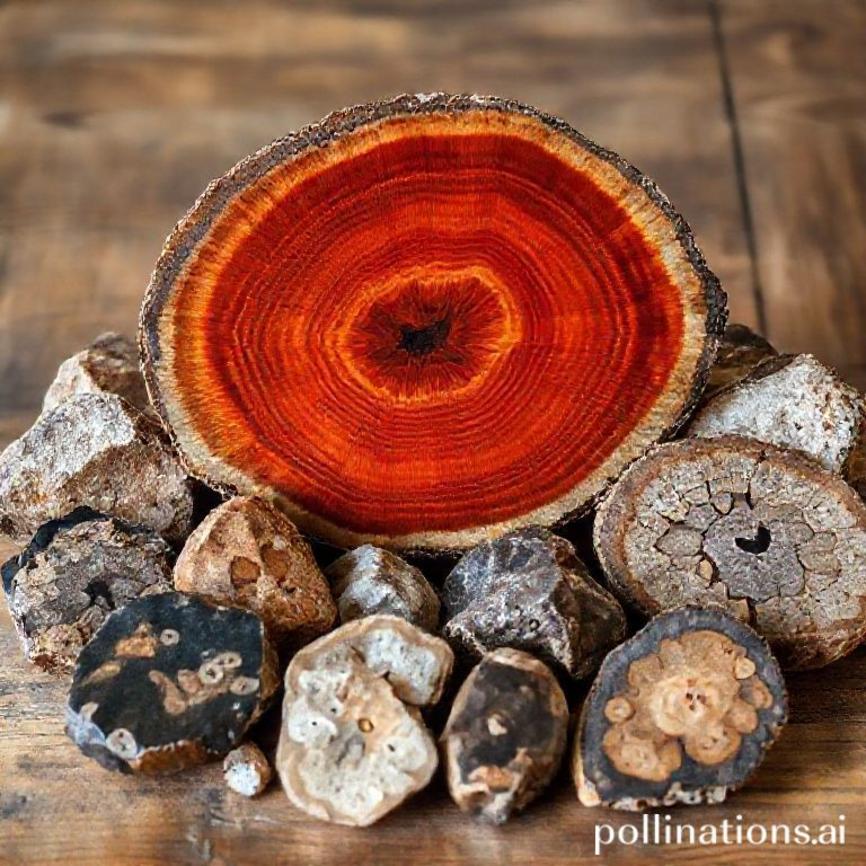
Beyond color, the patterns are equally fascinating. You can often see the distinct growth rings, knot patterns, and even the subtle textures of the bark, perfectly preserved in stone. Some pieces exhibit swirling patterns, intricate dendritic formations, or even botryoidal (grape-like) textures where minerals have accumulated. Each slice is a unique masterpiece, a testament to nature’s artistry and the slow dance of geological time.
Beyond Beauty: The Many Uses of Petrified Wood
With its undeniable beauty and remarkable durability, petrified wood has found its way into a myriad of uses, both practical and aesthetic:
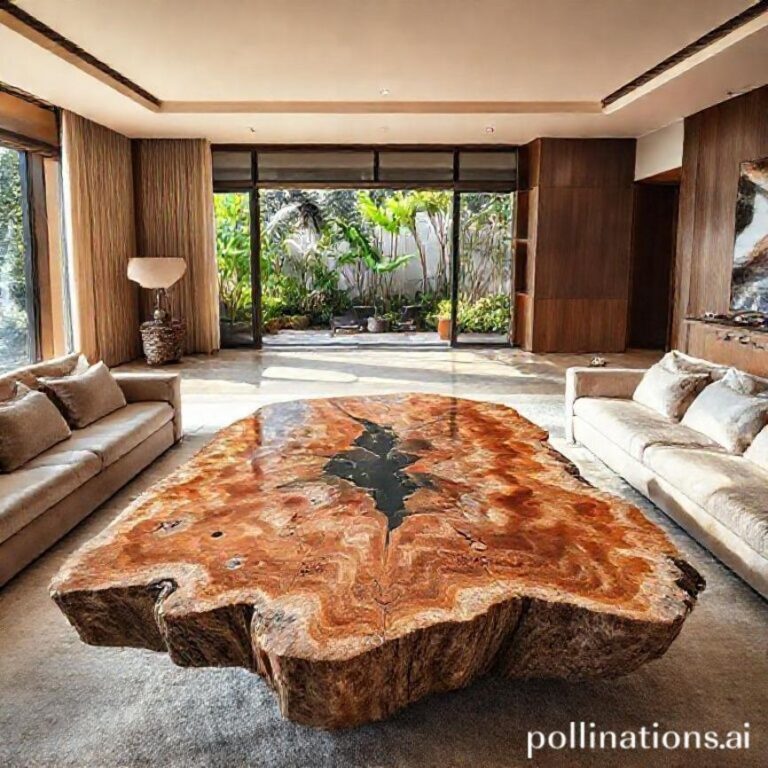
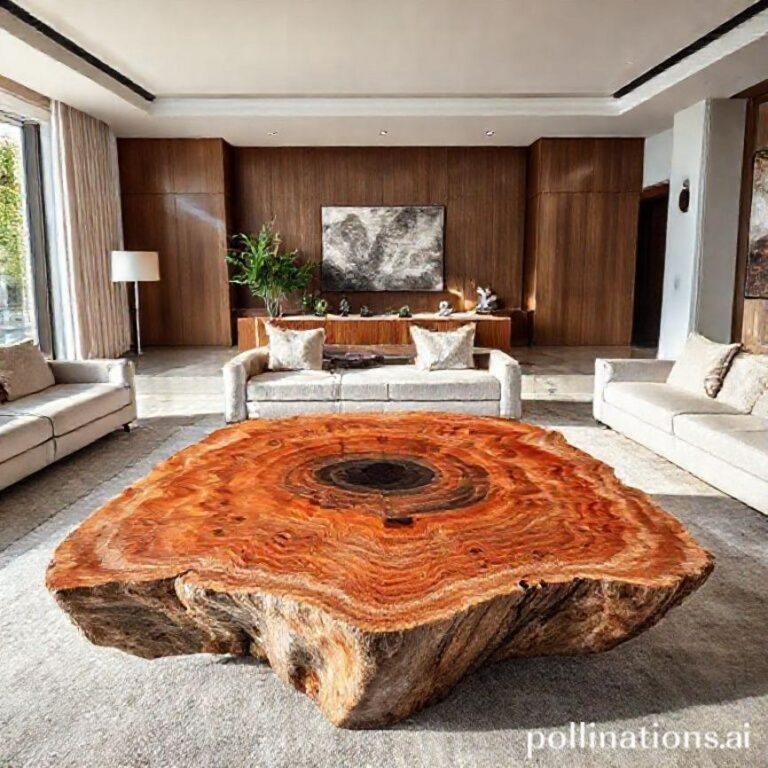
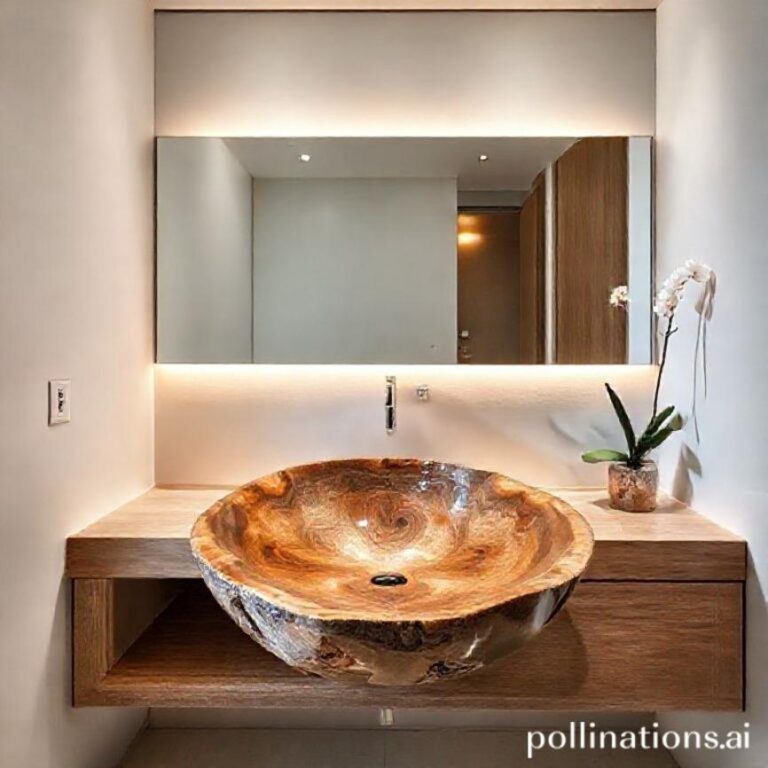
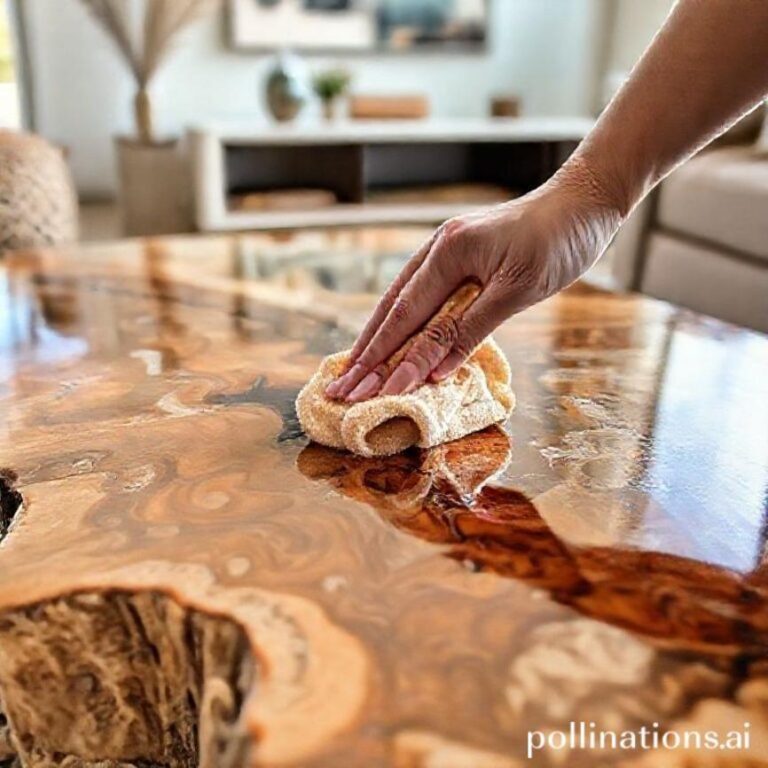
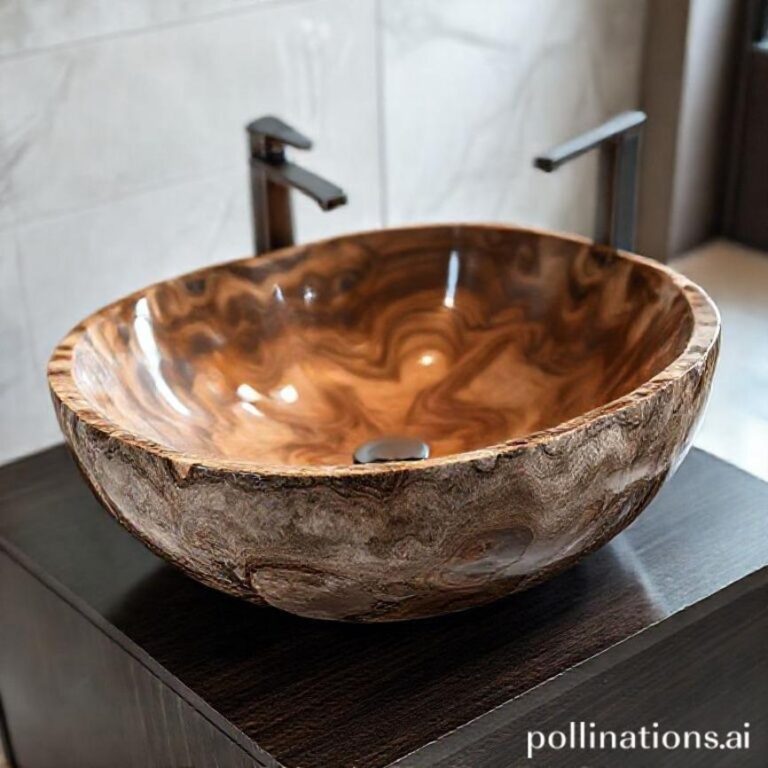
- Decorative Furniture: Large slabs are often polished to create stunning tabletops, benches, or even bathroom sinks, bringing a touch of ancient grandeur into modern homes.
- Sculptures and Art Pieces: The natural forms and intricate patterns make petrified wood ideal for standalone sculptures or carved artistic expressions.
- Jewelry: Smaller, polished pieces are transformed into unique pendants, earrings, or cabochons, offering a wearable piece of history.
- Landscaping Features: Unpolished, natural chunks can make striking additions to gardens, rockeries, or outdoor decorative displays.
- Spiritual and Metaphysical Use: Many believe petrified wood carries grounding energy, promoting patience, transformation, and a connection to ancient wisdom.
Regardless of its specific application, each piece of petrified wood serves as a conversation starter, bridging the gap between ancient epochs and contemporary living.
Caring for Your Timeless Treasure
While petrified wood is incredibly durable, a little care can ensure its beauty lasts for generations. Here are some tips:
- Cleaning: For polished surfaces, simply wipe with a soft, damp cloth. For tougher spots, a mild soap solution can be used, but always rinse thoroughly with clean water and dry immediately. Avoid harsh chemical cleaners, as they can damage the polish.
- Placement: If using petrified wood outdoors, be aware that prolonged exposure to direct sunlight might, over very long periods, affect some of its colors, though this is rare. Indoors, ensure large pieces are placed on stable surfaces.
- Protection: For tabletops, consider using coasters and placemats to protect the surface from scratches or acidic spills, just as you would with any fine furniture.
- Handling: Due to its weight, always use proper lifting techniques when moving larger pieces to prevent injury or damage.
With minimal effort, your petrified wood piece will remain a stunning focal point for years to come.
Identifying Authentic Indonesian Petrified Wood
As with any valuable natural material, authenticity is key. Here’s how you can often identify genuine petrified wood:
- Weight and Hardness: It should feel significantly heavy for its size, much like stone. It’s also very hard; you shouldn’t be able to scratch it easily with a metal object.
- Grain Patterns: Look for authentic wood grain, cell structures, and growth rings. Even at a microscopic level, these details should be consistent with natural wood.
- Cold to the Touch: Like most stones, petrified wood will feel cool to the touch, unlike resin or plastic imitations.
- Natural Imperfections: Genuine pieces often have natural fissures, cracks, or mineral inclusions, which add to their character, unlike perfectly uniform fakes.
- Source and Reputation: Always purchase from reputable dealers who can attest to the origin and authenticity of their pieces.
A genuine piece of petrified wood is an investment in natural history, so take your time to ensure its authenticity.
A Glimpse into the Past: Sundanese Wisdom
In the heart of West Java, where some of Indonesia’s most significant petrified wood deposits are found, the local Sundanese culture holds deep respect for nature and its enduring spirit. There’s a beautiful Sundanese proverb that resonates with the essence of petrified wood: “Najan raga paeh, tapi ngaran mah hirup.” This translates to, “Even though the body dies, the name lives on.” It speaks to the enduring legacy, the spirit that transcends physical form. In the context of petrified wood, it’s a profound reflection. The tree’s living ‘body’ has long perished, yet its ‘name’ – its form, its beauty, its history – lives on, immortalized in stone, a silent witness to millions of years of earth’s history. It’s a powerful reminder that true beauty and essence can defy the boundaries of time and physical decay.
Conclusion
Indonesian petrified wood is more than just a stone; it’s a geological marvel, a natural work of art, and a profound connection to our planet’s ancient past. Each piece is a unique chronicle, meticulously crafted by nature over eons, preserving the delicate beauty of ancient forests in the strength of stone. From its fascinating scientific origins to its stunning aesthetic appeal and versatile applications, petrified wood offers a unique blend of history, beauty, and enduring resilience.
If you’re inspired by the intricate beauty and timeless journey captured within petrified wood, imagine the possibilities it holds for unique creations. At Petrified Wood Indonesia, we celebrate this ancient artistry and offer avenues for you to bring your creative visions to life. Whether you’re seeking a magnificent centerpiece or envisioning a custom design, we invite you to explore our collections and even create shoes that embody this unique spirit at https://petrifiedwoodindonesia.com/. Let nature’s masterpiece become part of your story, crafted into something truly special.
TAGS: Petrified Wood, Indonesian Petrified Wood, Fossilized Wood, Geological Wonders, Natural Decor, Ancient Trees, Stone Furniture, Unique Gifts