Unearthing Beauty: Your Guide to Choosing High-Quality Indonesian Petrified Wood
Halo, Sobat pecinta keindahan alam! Have you ever been captivated by the silent stories whispered by a piece of petrified wood? It’s truly something special, isn’t it? These ancient treasures, born from a fascinating geological process, hold millions of years of history within their stunning patterns and vibrant colors. And when we talk about petrified wood, Indonesia, our beloved Nusantara, often comes to mind as one of the world’s most incredible sources. The sheer variety and quality found here are simply breathtaking!
But with so much beauty available, how do you ensure you’re picking a truly high-quality piece? It’s not just about what looks good at first glance, but understanding what makes petrified wood genuinely valuable and exquisite. Don’t worry, we’re here to guide you! Let’s dive in and explore the secrets to selecting the finest petrified wood from Indonesia, so you can find a piece that truly resonates with you and lasts for generations.
Understanding Petrified Wood: What Makes It So Special?
Before we talk about choosing the best, let’s quickly understand what petrified wood actually is. Imagine a tree, perhaps millions of years ago, falling into a mineral-rich environment – often volcanic ash or sediment. Instead of decaying, the organic material of the wood is slowly replaced by minerals, primarily silica, over an immense period of time. This process, known as permineralization, essentially turns wood into stone, preserving its cellular structure, growth rings, and even bark details!
Indonesia is a hotspot for petrified wood due to its incredibly active geological history, abundant volcanic activity, and lush ancient forests. The specific mineral composition in Indonesian soil often results in petrified wood with an astonishing array of colors – from earthy browns and grays to fiery reds, deep blacks, and even delicate blues and greens. Each piece is a unique snapshot of prehistoric life, a true masterpiece crafted by Mother Nature herself. The more you understand this process, the more you’ll appreciate the artistry in each fossilized log or slab.
Key Factors in Assessing Quality: What to Look For
Alright, now for the practical part! When you’re faced with a dazzling selection of petrified wood, here are the crucial factors to consider to ensure you’re making a top-notch choice:
1. Color and Pattern: A Visual Symphony
This is often the first thing that catches our eye, and rightly so! High-quality Indonesian petrified wood boasts rich, varied, and well-defined colors and patterns. Look for:
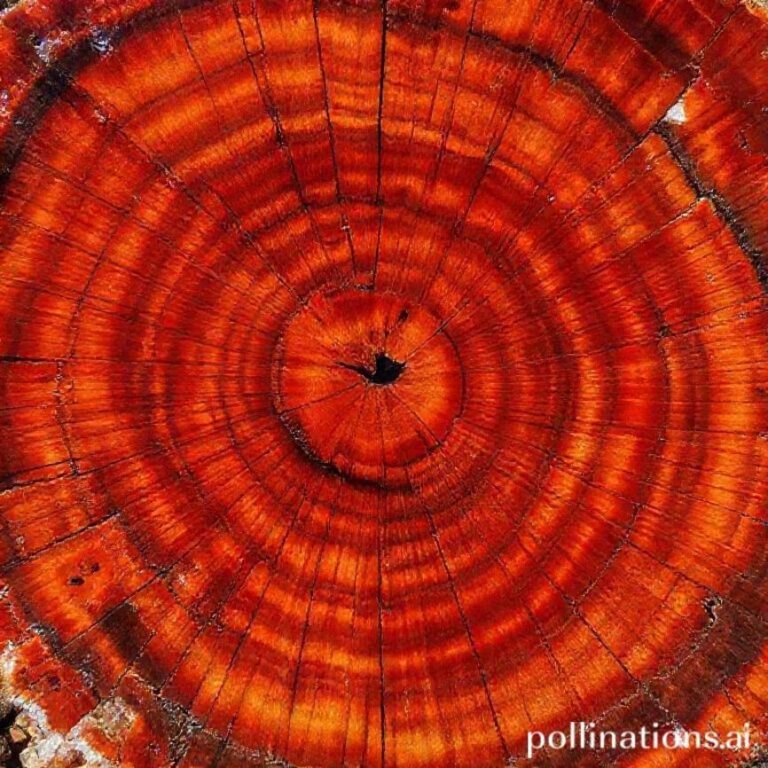
- Vibrant Hues: Are the colors deep and striking, or do they appear dull and washed out? The presence of various minerals during fossilization leads to different colors: iron oxides for reds and yellows, manganese for blacks and blues, and so on.
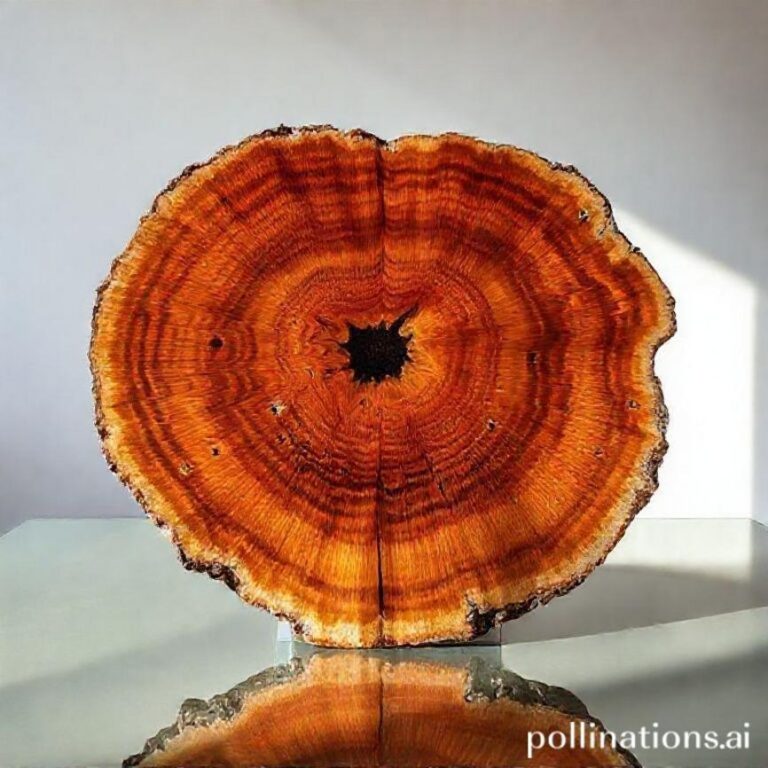
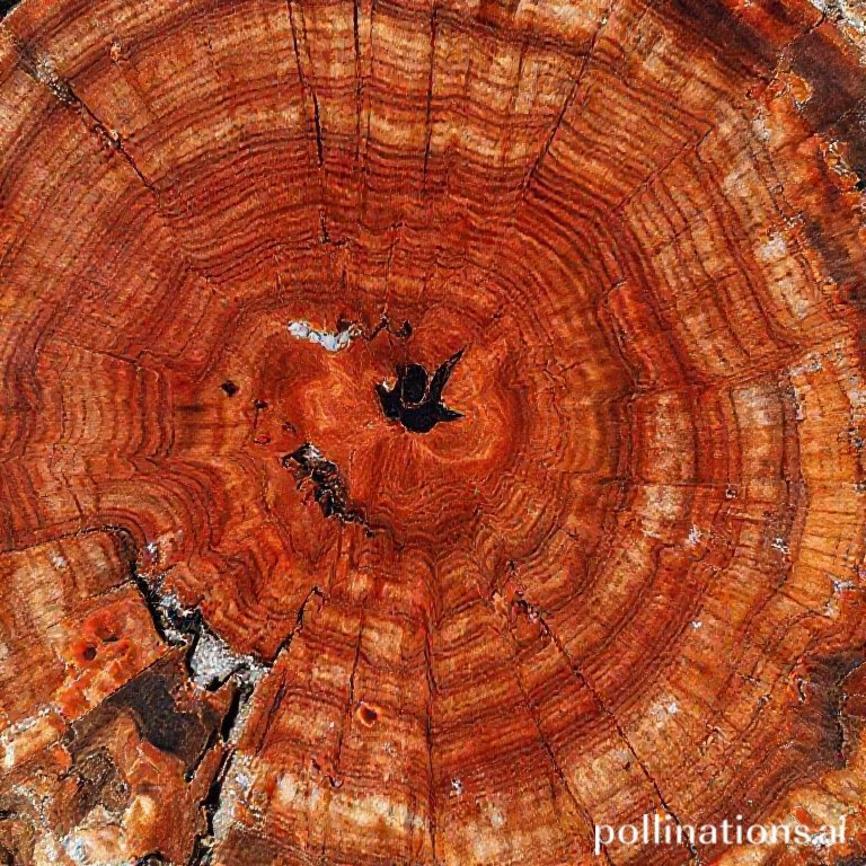
- Intricate Growth Rings and Wood Grain: The beauty often lies in how clearly the original tree’s structure is preserved. You should be able to discern growth rings, knots, and the natural flow of the wood grain.
- Unique “Picture” Formations: Sometimes, the mineral distribution creates natural scenes or abstract patterns that are truly captivating. These unique formations add significant value and character.
- Balance and Harmony: Does the color palette flow nicely, or does it look chaotic? A balanced composition of colors and patterns is often a sign of higher quality.
Avoid pieces that are overwhelmingly one monotonous color or have very little visible detail of the original wood structure, unless that specific minimalist aesthetic is what you’re after.
2. Silicification and Mineralization: The Heart of the Stone
This refers to the degree to which the wood has been replaced by minerals. It’s a key indicator of density and durability:
- Full Silicification: The best pieces are fully silicified, meaning the organic material has been completely replaced, resulting in a dense, hard stone that rings clear when gently tapped (a technique often used by experienced buyers).
- Crystalline Structure: Look for areas where quartz, chalcedony, or opal have formed within the wood cells, giving parts of the piece a translucent or glittering quality. This indicates excellent mineralization.
- Hardness: Petrified wood should feel substantial and hard, not brittle or crumbly. The more complete the petrification, the harder and more resilient the piece will be.
Lesser quality pieces might still contain some organic material, making them less dense and more prone to damage over time. Pastikan ya, you’re getting solid stone!
3. Integrity and Condition: Flawless Beauty
Even though it’s natural stone, its physical condition is important:
- Cracks and Fissures: Minor, stable hairline cracks that are part of the natural formation can add character. However, large, deep, or unstable cracks can compromise the piece’s structural integrity. Run your hand over the surface; major cracks should be detectable.
- Repairs and Fillers: Some pieces might have been repaired with epoxy or fillers, especially larger slabs. While minor repairs are sometimes necessary and well-executed repairs are acceptable, always ask about them. Excessive repairs can indicate a lower quality base material.
- Surface Finish: If polished, the surface should be smooth, consistent, and free of significant scratches or pitting. A good polish brings out the full depth of color and pattern. If it’s raw, it should still have a strong, solid feel.
Remember, natural imperfections are part of the charm, but structural weaknesses are not.
4. Size and Form: Suitability for Your Space
Consider the intended use and placement of the petrified wood:
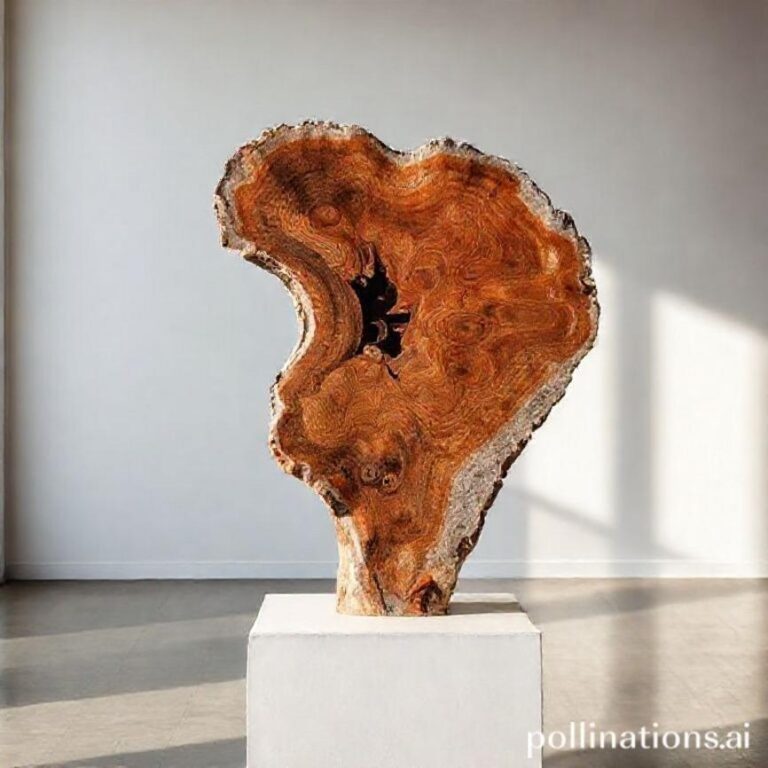
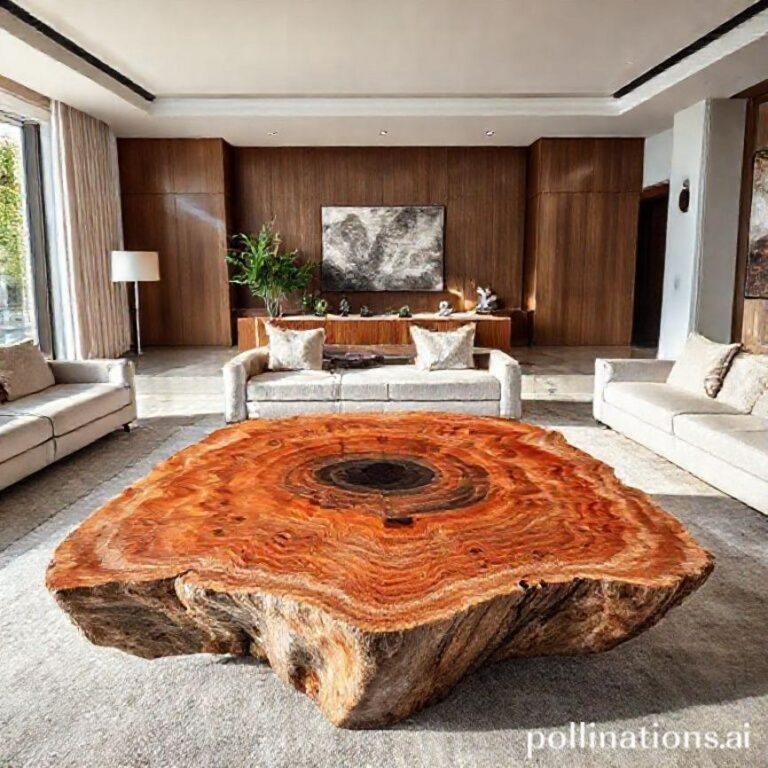
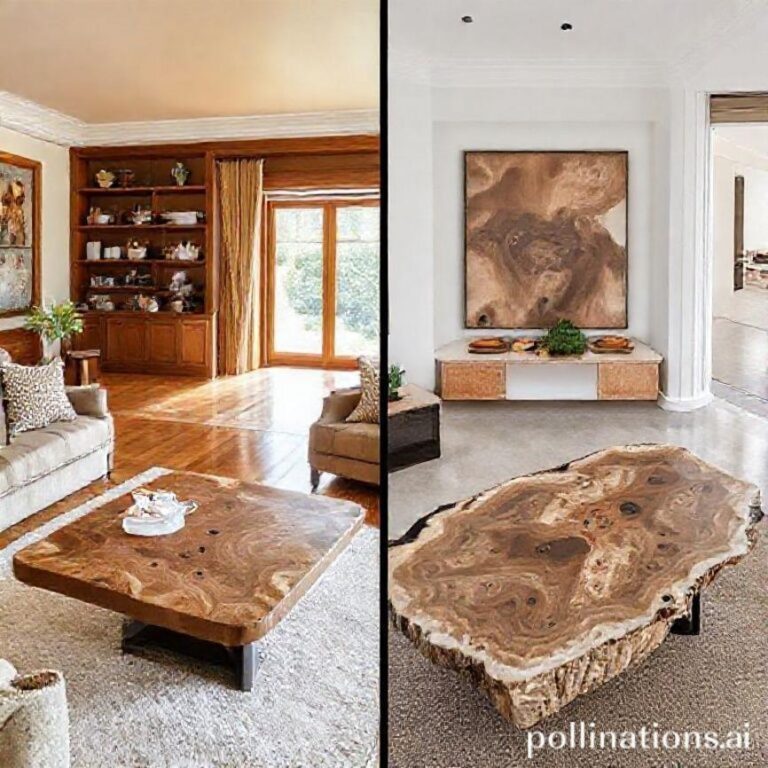
- Natural vs. Cut/Polished: Do you prefer a raw, earthy specimen that shows its natural, untouched form, or a precisely cut and polished slab that highlights its internal patterns for furniture or decor? Both have their own appeal.
- Stability: If it’s a stand-alone piece, ensure it sits stably without wobbling.
- Proportion: Consider how the size and shape will fit into your space. A magnificent large piece might overwhelm a small room, while a tiny one might get lost.
5. Authenticity: The Real Deal
While large pieces of petrified wood are less commonly faked due to the effort involved, it’s always good to purchase from reputable dealers. Ensure the seller can provide details about the origin and type of wood if known. With smaller, more polished items, sometimes regular wood is dyed and treated to mimic petrified wood, but this is rare with the kind of bulk items Indonesia is known for.
The Journey of Indonesian Petrified Wood: From Earth to Market
The journey of petrified wood from the ancient forests buried deep beneath the earth to your home is a long one. Most Indonesian petrified wood is found in geological layers primarily across Sumatra and Java. Responsible sourcing is becoming increasingly important. Ethical dealers ensure that their excavation practices minimize environmental impact and that workers are treated fairly.
Once excavated, the raw material goes through various stages of processing. It might be cut into slabs for tabletops, carved into intricate statues, or simply polished to reveal its inherent beauty. The skill of the cutters and polishers plays a huge role in the final aesthetic quality of the piece. A master craftsman can truly unleash the hidden beauty within the stone.
Price vs. Value: What to Expect
Naturally, high-quality petrified wood comes with a price tag that reflects its rarity, age, and beauty. Prices vary significantly based on several factors:
- Size and Weight: Larger and heavier pieces generally cost more due to the difficulty in extraction, transportation, and processing.
- Quality and Rarity: Pieces with exceptional color, pattern, and full silicification are more valuable. Rare colors or unique fossilized features also command higher prices.
- Craftsmanship: Expert cutting, shaping, and polishing add to the value.
- Origin: Specific regions in Indonesia might yield particularly desirable types of petrified wood.
It’s important not to just go for the cheapest option. Often, investing a little more in a truly high-quality piece will give you far greater satisfaction and a lasting treasure. Think of it as investing in a piece of natural art that tells a story millions of years old.
Caring for Your Petrified Wood Treasure
Once you’ve found your perfect piece, caring for it is surprisingly simple. Petrified wood is extremely durable, but a little care goes a long way:
- Cleaning: For polished pieces, simply wipe with a soft, damp cloth. For raw pieces, a soft brush can remove dust. Avoid harsh chemical cleaners as they can dull the polish over time.
- Placement: While it’s tough, avoid placing very heavy objects on unsupported slabs or exposing them to extreme, sudden temperature changes, which can sometimes cause hairline fractures in any stone.
- Appreciation: Most importantly, display it proudly! Let its natural beauty be a conversation starter and a source of inspiration in your home or office.
As the Sundanese saying goes, “Asa teu walakaya lamun teu ngamumule, sabab titipan ti karuhun.” This translates to, “It feels powerless if we don’t preserve it, because it’s a heritage from our ancestors.” This sentiment beautifully captures the essence of caring for such ancient natural treasures.
Conclusion
Choosing high-quality petrified wood from Indonesia is an incredibly rewarding experience. Each piece is a unique artifact, a slice of Earth’s ancient past brought into your present. By paying attention to color, pattern, mineralization, integrity, and the overall craftsmanship, you can ensure that you’re acquiring not just a decorative item, but a genuine treasure that will be admired for years to come.
So, whether you’re looking for a stunning centerpiece, a unique gift, or even inspiration for bespoke designs, like crafting truly unique shoes that incorporate natural elements, choosing high-quality petrified wood is the first step. Feel inspired to create something truly exceptional? Visit Petrified Wood Indonesia at https://petrifiedwoodindonesia.com/ to explore their selection and bring your creative visions to life!
TAGS: Petrified Wood, Indonesian Petrified Wood, Fossil Wood, Quality Guide, Natural Stone, Home Decor, Geological Art, Buying Guide, Mineralization, Unique Gifts