Unearthing Treasure: A Comprehensive Guide to Petrified Wood Prices (Per Pound/Kilogram)
Unearthing Treasure: A Comprehensive Guide to Petrified Wood Prices (Per Pound/Kilogram)
Halo, teman-teman! Have you ever wondered about the incredible story behind a piece of petrified wood? It’s not just a beautiful stone; it’s a snapshot of ancient history, a tree that has undergone a miraculous transformation over millions of years, turning into stone while retaining its original woody structure. From stunning decorative pieces in our homes to unique furniture and even captivating jewelry, petrified wood holds a special place in the hearts of collectors and interior design enthusiasts alike.
But here’s the thing that often puzzles many: the price of petrified wood can vary wildly. You might see a small piece for a few dollars, while a large slab could cost thousands. So, what exactly makes one piece more valuable than another? If you’re curious about how petrified wood is priced, especially per pound or kilogram, you’ve come to the right place. In this comprehensive guide, we’ll peel back the layers and explore all the fascinating factors that influence the cost of this ancient treasure.
The Magic of Petrified Wood: More Than Just Stone
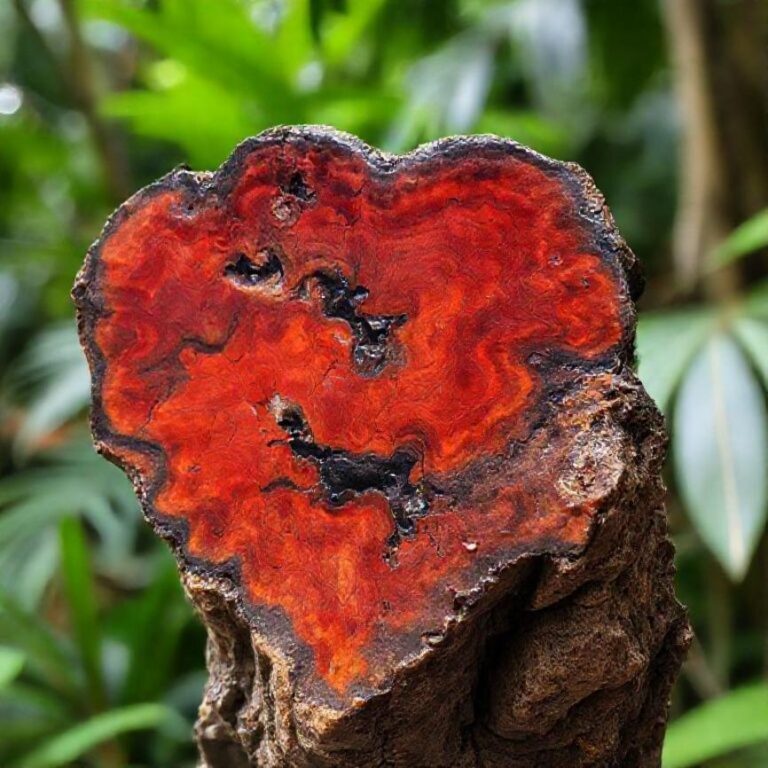
Before diving into prices, let’s quickly appreciate what petrified wood truly is. It’s a fossil, formed when wood is buried under sediment, protected from decay by oxygen and organisms. Groundwater rich in dissolved minerals (like silica from volcanic ash) then seeps into the wood, replacing the organic material cell by cell. This process, called permineralization, takes millions of years, resulting in a stone that perfectly mirrors the original tree’s structure, right down to its growth rings and bark patterns. The minerals give it its vibrant colors, making each piece unique – a true masterpiece of nature.
Key Factors Affecting Petrified Wood Prices
1. Quality of Preservation and Silicification
This is arguably the most critical factor. How well the original wood structure is preserved plays a huge role in its value. High-quality petrified wood will show clear, intricate details of the wood grain, often with a glassy, agate-like finish. The more perfectly the cellular structure is maintained, without significant cracks, voids, or damage, the higher its value. Pieces that have undergone complete silicification, where the organic material is fully replaced by silica (quartz, chalcedony, or opal), are highly prized for their durability, ability to take a high polish, and stunning appearance. Less perfectly preserved pieces, or those with many natural fractures, will naturally be less expensive.
2. Rarity and Species of the Original Tree
Just like living trees, some ancient tree species were rarer than others, and their fossilized counterparts are equally rare. For instance, petrified palm wood or certain types of conifer wood might be more common in some regions than, say, a very specific angiosperm or a unique fern type. The rarity of the original tree species, combined with the difficulty of finding well-preserved specimens, significantly impacts the price. Some species also naturally exhibit more interesting patterns or colors when petrified, making them more desirable.
3. Location and Origin
Where the petrified wood comes from matters a great deal. Famous localities like Arizona’s Petrified Forest National Park are known for their incredibly colorful and well-preserved specimens, often fetching higher prices due to their iconic status and strict collection regulations. Other notable sources include Madagascar, Argentina, and, of course, Indonesia, which is renowned for its vast deposits of beautiful and diverse petrified wood. The accessibility of the site, the cost of extraction, and any local regulations or export taxes also factor into the final price. Sometimes, specific localities yield unique mineral compositions that result in distinct color palettes not found elsewhere, making them highly sought after.
4. Size and Weight: The “Bigger is Better” Rule
Generally, larger pieces of petrified wood command higher prices, and this increase is often exponential, not linear. A 100 kg log is almost always worth significantly more than ten 10 kg pieces combined. Why? Because finding and extracting large, intact logs or slabs is much rarer and more challenging. They are more difficult to transport, process, and are often destined for high-end applications like custom furniture (tables, benches) or grand decorative statements. For smaller pieces, like tumbled stones or specimens suitable for carving, pricing is often calculated per pound or kilogram. However, for significant pieces, it moves beyond a simple weight calculation to an individual piece valuation.
5. Color, Pattern, and Aesthetic Appeal
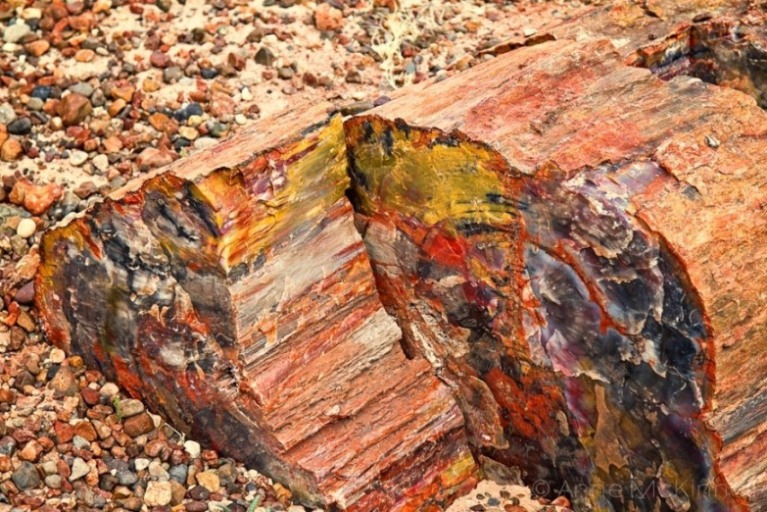
This is where the artistry of nature truly shines, and it’s a huge driver of price. The vibrant colors in petrified wood come from various mineral impurities present during the fossilization process:
- Iron oxides: Reds, browns, yellows, oranges
- Manganese: Pinks, purples, black
- Copper: Blues, greens
- Carbon: Black, gray
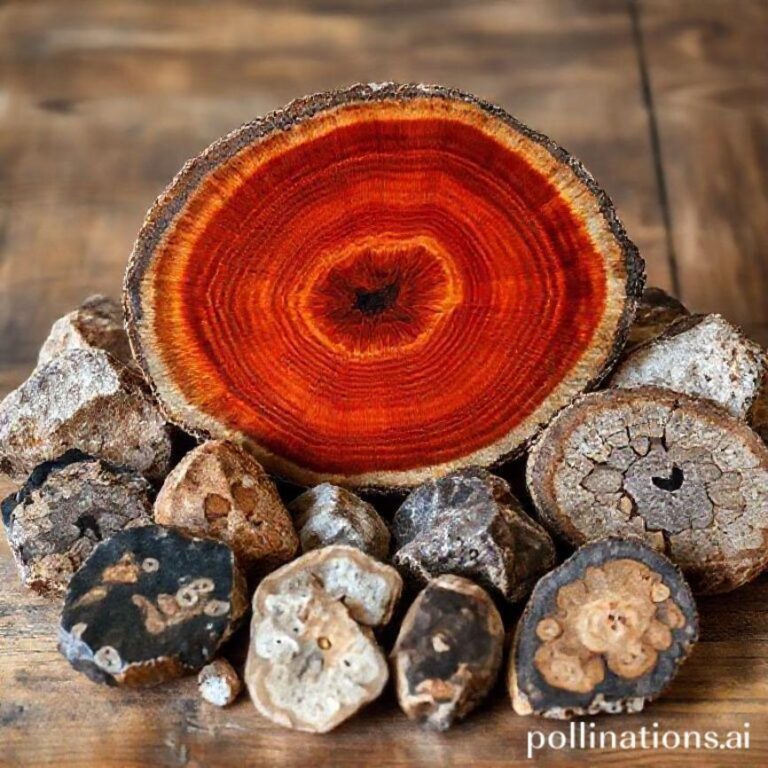
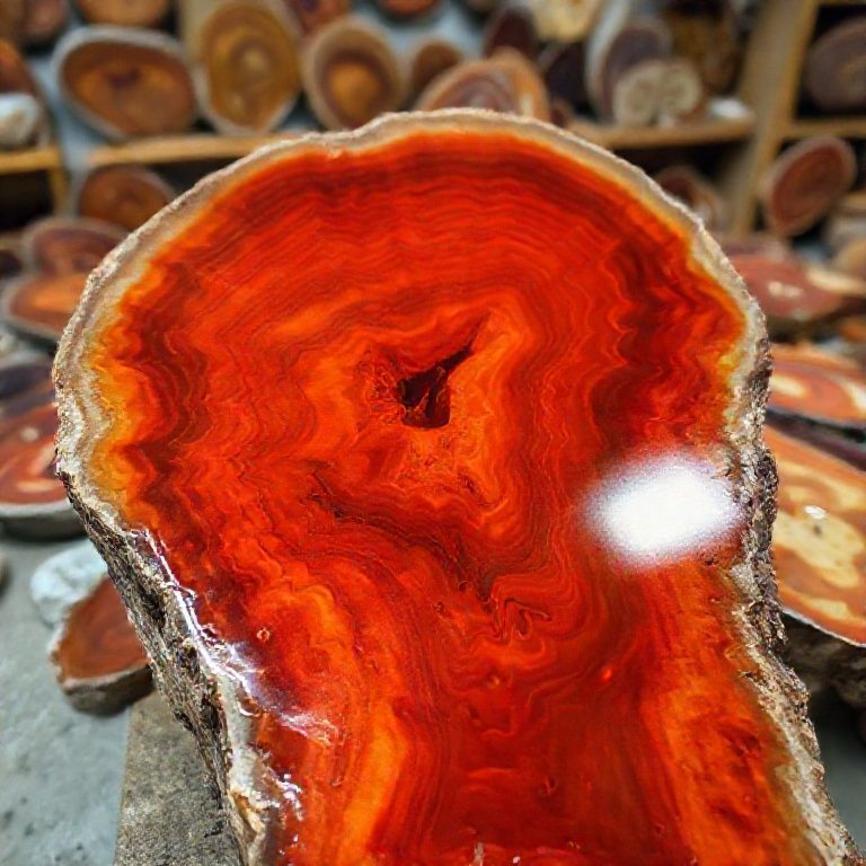
The more vivid, varied, and rare the color palette, the higher the price. Pieces with strong contrasts, intricate growth rings, distinct knots, or even quartz vugs (small crystal-lined cavities) are highly desirable. Think of a slab with a rainbow of colors or a fascinating “eye” pattern – these aesthetic qualities significantly boost its value, sometimes more so than its size or weight.
6. Processing, Finishing, and Craftsmanship
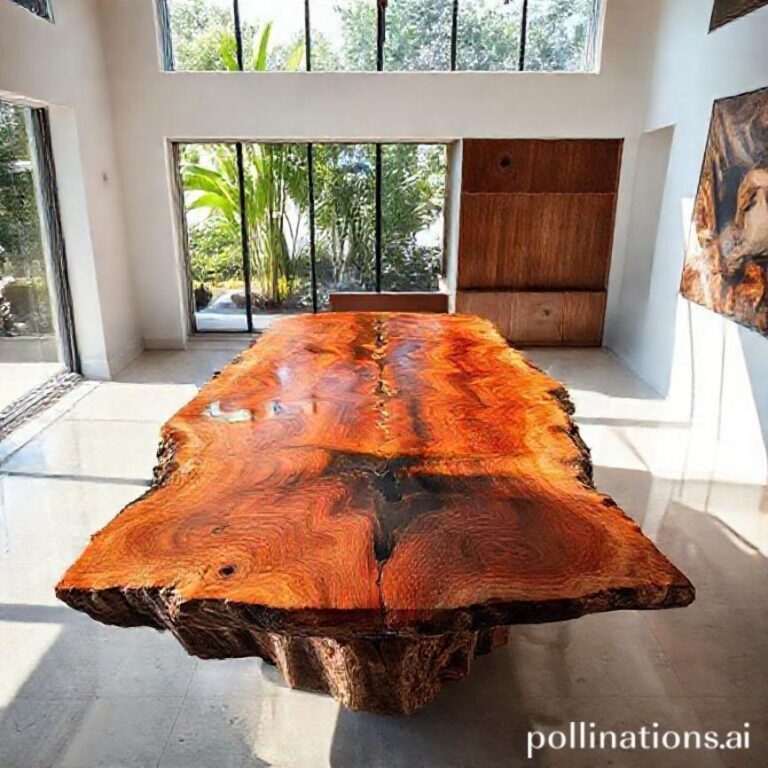
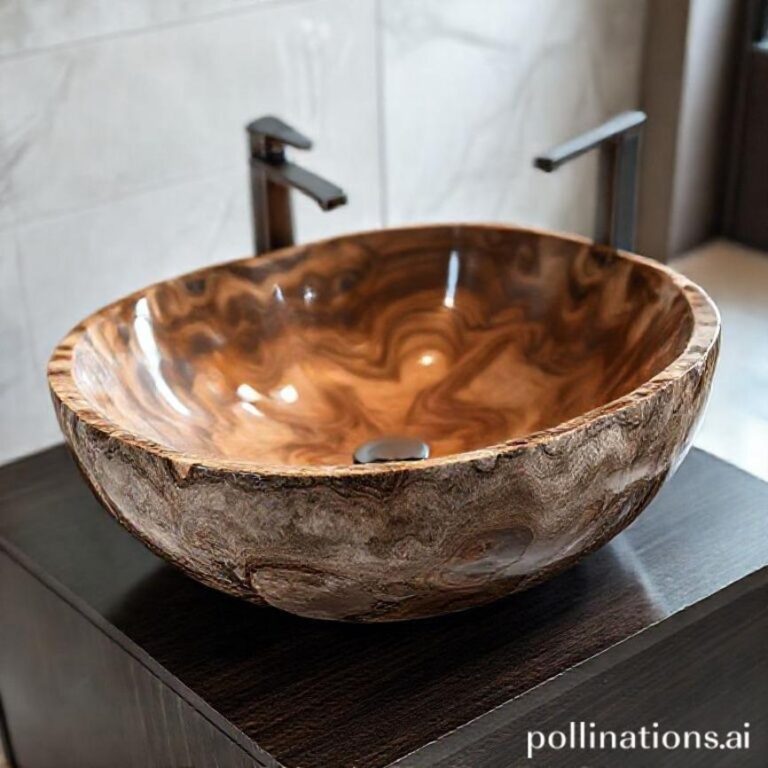
Raw, unpolished pieces of petrified wood will always be less expensive than those that have been cut, shaped, and polished. The labor involved in transforming a rough log into a smooth, gleaming tabletop, a perfectly spherical orb, a sculpted sink, or a piece of jewelry is substantial. Cutting large slabs requires specialized equipment and skill to avoid breakage. Polishing brings out the hidden beauty, colors, and patterns, revealing the stone’s true potential. Custom carving or intricate furniture making further adds significant value due to the craftsmanship and time invested. When you see a polished petrified wood table, you’re not just paying for the stone; you’re paying for the expert hands that brought its beauty to life.
7. Rarity and Market Demand
Like any commodity, the basic principles of supply and demand apply. If a particular type of petrified wood becomes highly sought after due to current trends in interior design or a specific discovery, its price will naturally increase. Conversely, if a large new deposit is found, prices for that specific type might temporarily dip. Certain extremely rare formations or unique characteristics can create a niche market with very high demand, regardless of size.
8. Ethical Sourcing and Legality
Last but not least, responsible sourcing is an important consideration. Legally and ethically sourced petrified wood ensures that the material has been extracted with proper permits and in an environmentally conscious manner. This often means higher initial costs for producers, which can translate to a slightly higher price per pound or kilogram for the end consumer. However, it also provides peace of mind, knowing that you’re supporting sustainable practices and avoiding illegal poaching or exploitation. As a Sundanese saying wisely puts it, “Ulah poho kana purwadaksi,” which means “Don’t forget your origins” or “Be mindful of your beginnings/process.” This applies to understanding the source and journey of the beautiful stone you acquire.
Conclusion: Investing in Ancient Beauty
As you can see, pricing petrified wood isn’t a simple, straightforward calculation of cost per pound or kilogram. It’s a complex interplay of geological rarity, aesthetic appeal, human craftsmanship, and market dynamics. From the ancient tree species to the location it was found, the quality of its fossilization, its captivating colors, and the skilled hands that shaped it, every factor contributes to its final value.
When you’re looking to purchase petrified wood, take your time. Educate yourself, inspect pieces carefully, and consider all the elements we’ve discussed. Buying from reputable dealers who can provide information about the origin and processing of their pieces is always recommended. Ultimately, owning a piece of petrified wood is more than just acquiring a beautiful object; it’s holding a piece of Earth’s ancient history, a silent witness to millions of years of change.
Apakah Anda siap untuk menemukan keindahan purba yang unik untuk koleksi atau rumah Anda? (Are you ready to discover a unique ancient beauty for your collection or home?) Explore the timeless elegance of petrified wood and let your imagination run wild. If you’re inspired to create something truly unique with this incredible material, don’t hesitate to visit https://petrifiedwoodindonesia.com/. We’d love to help you bring your vision to life with custom-made furniture or exquisite decor pieces crafted from the finest Indonesian petrified wood!
TAGS: petrified wood, fossil wood, petrified wood price, cost guide, geological decor, natural stone, stone art, petrified wood Indonesia, pricing factors